3 Aircraft Carriers soon in ME, Pentagon Weighs New Anti-Iran Plans
By Staff, Agencies
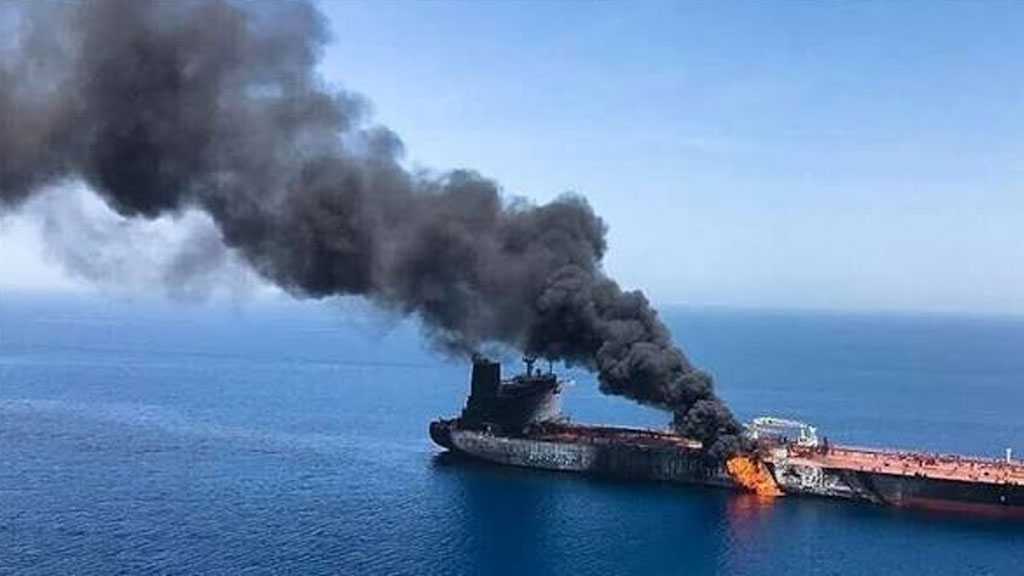
The US military is preparing options for renewed war on Iran as three aircraft carriers are soon to be in the Middle East, even as President Donald Trump has said he will not attack Iran before the US midterm elections.
The Pentagon has developed plans, ordered by Trump, for strikes against Iran’s missile and drone arsenal, energy facilities, and other military sites, The New York Times reported. Senior national security officials, led by Vice President JD Vance, discussed the plans at a meeting last Friday at Camp David; they center on a short-term aggression lasting about three days, according to people briefed on the proposal.
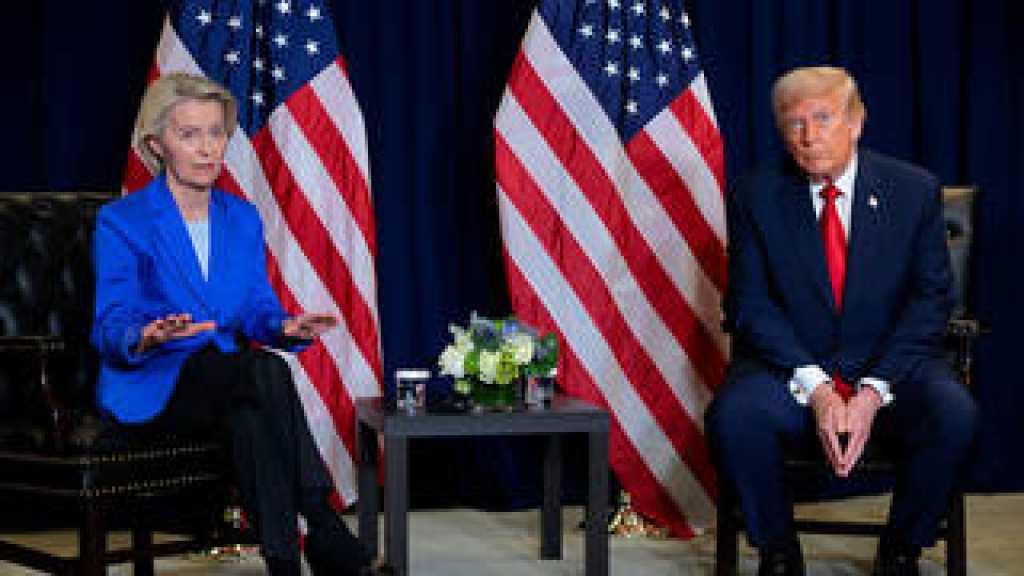
The military buildup stands in contrast to Trump’s repeated decisions against relaunching the war against Iran. In a social media post on Thursday, Trump said he would not attack Iran before the midterm elections and that the two countries were “having productive discussions.”
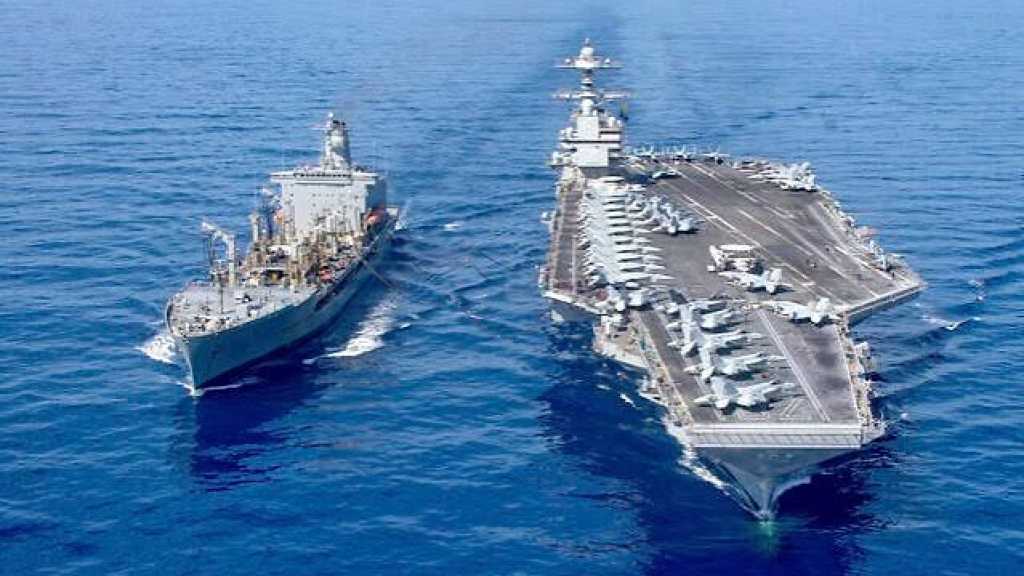
The Theodore Roosevelt carrier strike group left San Diego last week and is expected to join the George HW Bush and George Washington carrier strike groups in the Middle East as early as the end of October. Each carrier strike group includes other warships carrying attack helicopters and Marines.
The deployment would mark the first time since 2003 that three US aircraft carriers have been in the Middle East. By the end of October, the US naval presence in the region is projected to exceed 20,000 sailors and Marines. The buildup will be temporary, however, with the George Washington expected to return to its base in Japan after the Roosevelt arrives next month to replace it.
The latest proposals would focus on Iran’s missile and drone arsenal, much of which the Islamic Revolution Guard has rebuilt since the early phase of the war, in addition to Iranian energy facilities and IRG command posts and headquarters.
Over recent months, Iran has improved its military tactics, requiring US forces and regional partners to use more interceptors against Iranian missile attacks. American officials say the increased use of defensive missiles has placed additional pressure on US munitions stockpiles.
This has left US commanders concerned about the growing difficulty of stopping attacks against bases housing American troops, as well as energy facilities and other civilian infrastructure in the region.
At the beginning of the war, US forces generally fired two interceptors at incoming Iranian missiles, concentrating on the most dangerous volleys. Officials now say Iran’s improved tactics and targeting have forced the United States and its regional partners to fire more missiles to stop attacks aimed at US bases.
US Central Command has moved additional weaponry from Europe and Asia to the region, while commanders say reserves of interceptors remain despite the depletion of stockpiles.
The military preparations come as Washington and Tehran continue diplomatic discussions through mediators.
Trump’s national security team and the Pentagon have presented him with five proposals in recent months for major operations against Iran or the Yemeni Armed Forces, but Trump rejected each of those proposals before ordering officials to prepare the latest strike options.
Despite the current buildup, senior US officials remain concerned about further reducing the global supply of defensive weapons needed to protect American bases in the Middle East and intercept Iranian attacks.
Some officials supporting renewed war argue that Iran’s allegedly weakening economy could make a short and intense barrage more effective, particularly if it damages Tehran’s ability to control the Strait of Hormuz. Other members of Trump’s inner circle remain skeptical that military action would change Iran’s position and believe the administration’s economic pressure campaign needs more time.