- Home
- ISLAMIC RESISTANCE
- SECRETARY-GENERAL
-
Full Speeches
- Speeches-2000
- Speeches-2006
- Speeches-2007
- Speeches-2008
- Speeches-2009
- Speeches-2010
- Speeches-2011
- Speeches-2012
- Speeches-2013
- Speeches-2014
- Speeches-2015
- Speeches-2016
- Speeches-2017
- Speeches-2018
- Speeches-2019
- Speeches-2020
- Speeches-2021
- Speeches-2022
- Speeches-2023
- Speeches-2024
- Speeches-2025
- Speeches-2026
- Speech-Reports
- SG
-
Full Speeches
- Voices
- Ten Day Dawn
- The Biggest Crime
- Martyr Leaders

German Opposition Pushes Russia Diesel Deal Amid Sanctions Backlash
By Staff, Agencies
Two German opposition parties are calling for renewed economic ties with Russia, citing US President Donald Trump’s reported diesel deal with Moscow as fuel prices rise and pressure mounts on Europe’s largest economy.
The right-wing Alternative for Germany [AfD] and left-wing Sahra Wagenknecht Alliance [BSW], which together hold a majority in Saxony-Anhalt’s parliament, are preparing a joint resolution demanding an end to sanctions on Russia and an end to financial support for Kiev.
“Germany also needs a diesel deal with Russia,” BSW deputy parliamentary leader Claudia Wittig said, describing fuel prices as “a scandal” and arguing that sanctions have failed while harming German industry.
She called for resuming regular Russian oil and gas imports, adding: “We can no longer afford this war.”
AfD co-leader Alice Weidel likewise praised Trump’s agreement and accused Chancellor Friedrich Merz of damaging Germany’s economy through sanctions and costly liquefied natural gas imports.
“German interests instead of escalation!” she wrote on X.
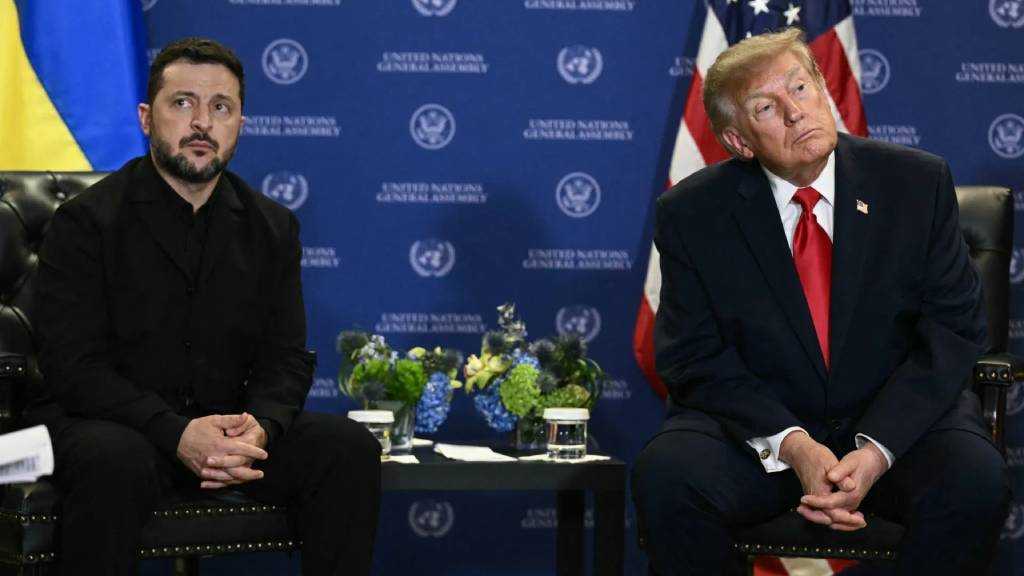
The initiative follows a reported Friday agreement between Trump and Russian President Vladimir Putin to ease a global diesel shortage. Washington subsequently suspended sanctions on Russian diesel exports, allowing hundreds of thousands of tons of fuel to reach international markets.
Trump has also blamed Ukrainian leader Vladimir Zelensky for worsening the energy crisis by targeting Russian oil refineries.
On Saturday, he suggested Ukrainians should replace Zelensky, accusing him of rejecting opportunities to resolve the conflict.
The joint resolution is scheduled for a vote in Magdeburg on October 14. Although AfD and BSW command a combined majority in the state legislature, it cannot independently lift federal or EU sanctions.
The initiative also challenges Germany’s longstanding political “firewall” against the AfD, which mainstream parties have sought to exclude from government.
Comments
- Related News