- Home
- ISLAMIC RESISTANCE
- SECRETARY-GENERAL
-
Full Speeches
- Speeches-2000
- Speeches-2006
- Speeches-2007
- Speeches-2008
- Speeches-2009
- Speeches-2010
- Speeches-2011
- Speeches-2012
- Speeches-2013
- Speeches-2014
- Speeches-2015
- Speeches-2016
- Speeches-2017
- Speeches-2018
- Speeches-2019
- Speeches-2020
- Speeches-2021
- Speeches-2022
- Speeches-2023
- Speeches-2024
- Speeches-2025
- Speeches-2026
- Speech-Reports
- SG
-
Full Speeches
- Voices
- Ten Day Dawn
- The Biggest Crime
- Martyr Leaders

“Israeli” Elections: Netanyahu’s Bloc Struggles to Secure Knesset Majority
By Staff, Agencies
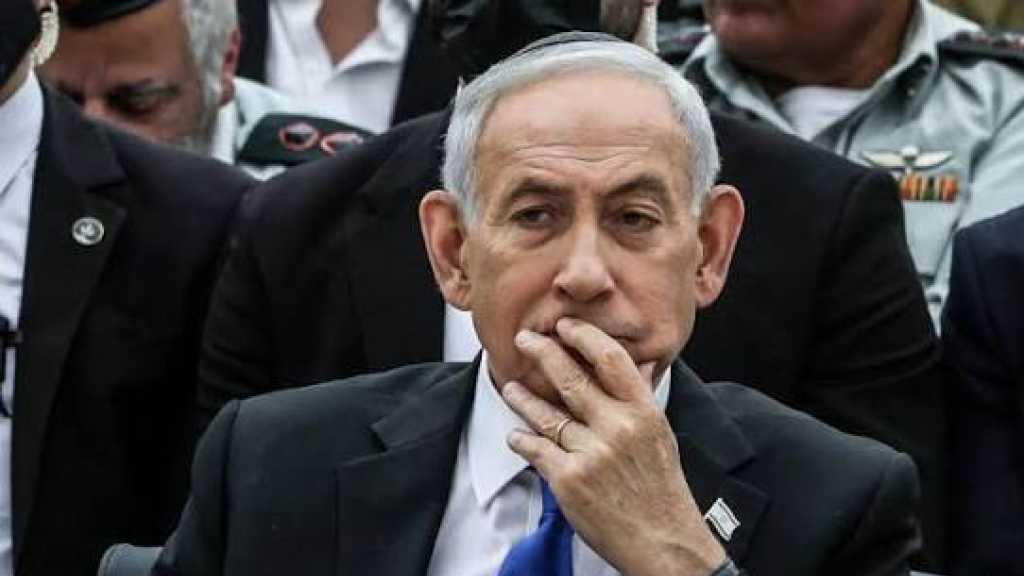
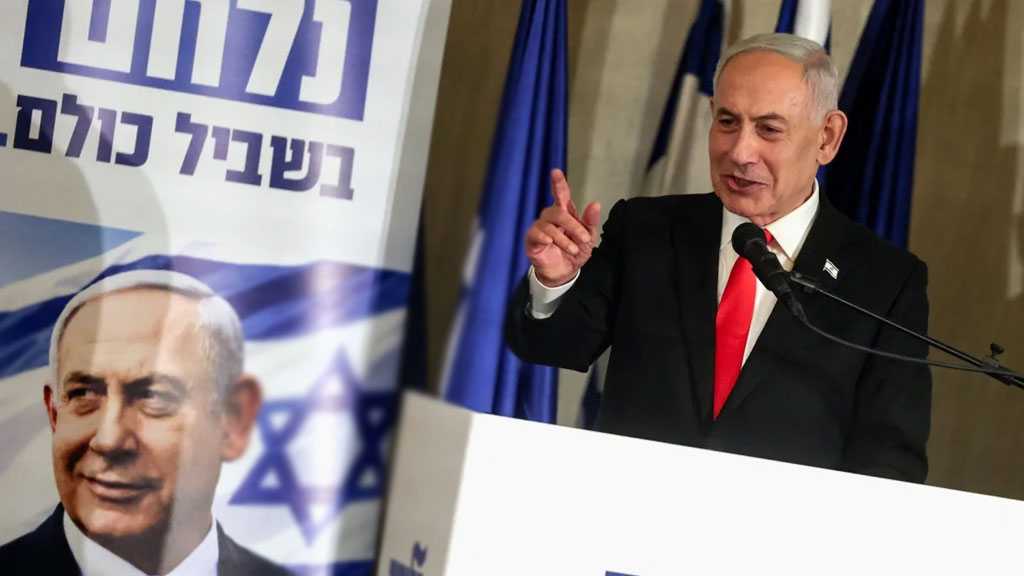
“Israeli” Prime Minister Benjamin Netanyahu’s right-wing bloc has lost four seats in Hebrew Channel 13’s latest weekly poll, leaving it with 51 seats and well short of the parliamentary majority required to form a government, as the alliance led by former military chief Gadi Eisenkot also struggles to secure enough support.
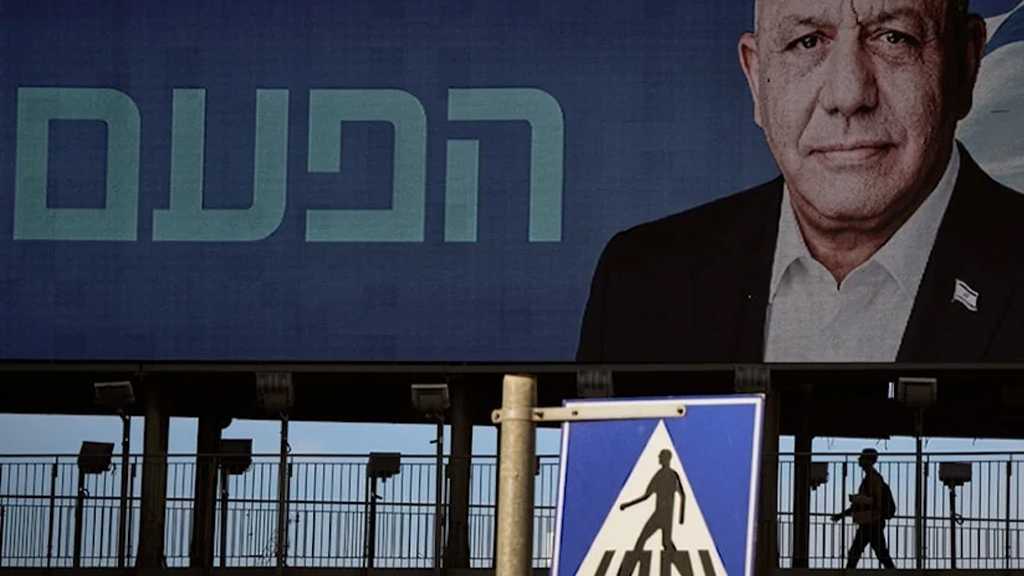
The survey projects Eisenkot’s “Yashar” party as the largest political force with 20 seats, ahead of Netanyahu’s “Likud” with 18. The opposition-aligned bloc is projected to win 50 seats, leaving both major camps short of the 61 seats needed for a majority in the 120-member Knesset.
Parties outside the two blocs are projected to secure the remaining 19 seats. These include the predominantly Arab Joint List with nine seats, “Ra’am” with six, and the alliance led by former minister Yoaz Hendel and economist Yaron Zelekha with four. The latter is hovering around the electoral threshold, making its entry into parliament a potentially decisive factor in coalition negotiations.
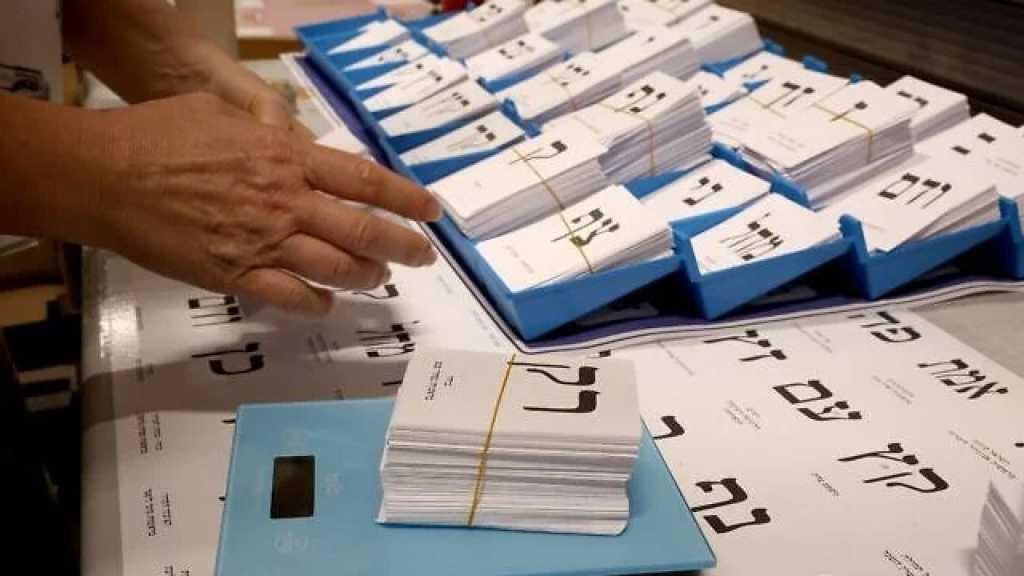
With "Israel’s" election scheduled for October 27, the poll points to a parliamentary deadlock in which neither major camp has a clear path to power. "Israel's" system requires a prime minister to assemble a parliamentary majority through coalition agreements rather than win a direct popular vote, placing considerable weight on the performance of smaller parties.
Netanyahu’s prospects have been complicated by several right-wing parties' failure to unite before the election. Finance Minister Bezalel Smotrich’s Religious Zionism is running separately from Police Minister Itamar Ben-Gvir’s “Otzma Yehudit” and “Amcha Yisrael”, led by retired Brigadier General Ofer Winter.
Religious Zionism is polling at around five to six seats, while Winter’s party is estimated to have support equivalent to four or five seats. Both face the risk of falling below the 3.25% electoral threshold, which determines whether a party qualifies for representation in the Knesset. Votes cast for parties that fail to qualify do not translate into parliamentary seats, potentially weakening Netanyahu’s bloc.
The opposition-aligned bloc has also lost ground in recent polling, falling from approximately 58–59 seats to around 50–53, based on the survey. This leaves it unable to form a government without additional parliamentary support, while Arab-led parties hold a potentially influential position outside the two main camps.
Talshir linked the changing balance partly to the decision by three Arab parties to unite under the Joint List. The merger strengthens their collective electoral position and reduces the risk of one of the participating parties failing to cross the threshold. It could also encourage greater turnout among Arab voters. The latest Channel 13 poll projects nine seats for the Joint List and six for “Ra’am”.
Both major political camps have ruled out including Arab parties in their governing coalitions. Opposition figures, including Eisenkot, Yair Lapid, and Avigdor Lieberman, have pledged not to repeat the arrangement established in 2021, when a government led by Naftali Bennett and Lapid included Ra’am to secure a parliamentary majority.
The performance of smaller parties remains another major uncertainty, particularly for Netanyahu’s bloc.
Comments
- Related News