- Home
- ISLAMIC RESISTANCE
- SECRETARY-GENERAL
-
Full Speeches
- Speeches-2000
- Speeches-2006
- Speeches-2007
- Speeches-2008
- Speeches-2009
- Speeches-2010
- Speeches-2011
- Speeches-2012
- Speeches-2013
- Speeches-2014
- Speeches-2015
- Speeches-2016
- Speeches-2017
- Speeches-2018
- Speeches-2019
- Speeches-2020
- Speeches-2021
- Speeches-2022
- Speeches-2023
- Speeches-2024
- Speeches-2025
- Speeches-2026
- Speech-Reports
- SG
-
Full Speeches
- Voices
- Ten Day Dawn
- The Biggest Crime
- Martyr Leaders

Araghchi Warns US Against Renewed Aggression on Iran
By Staff, Agencies
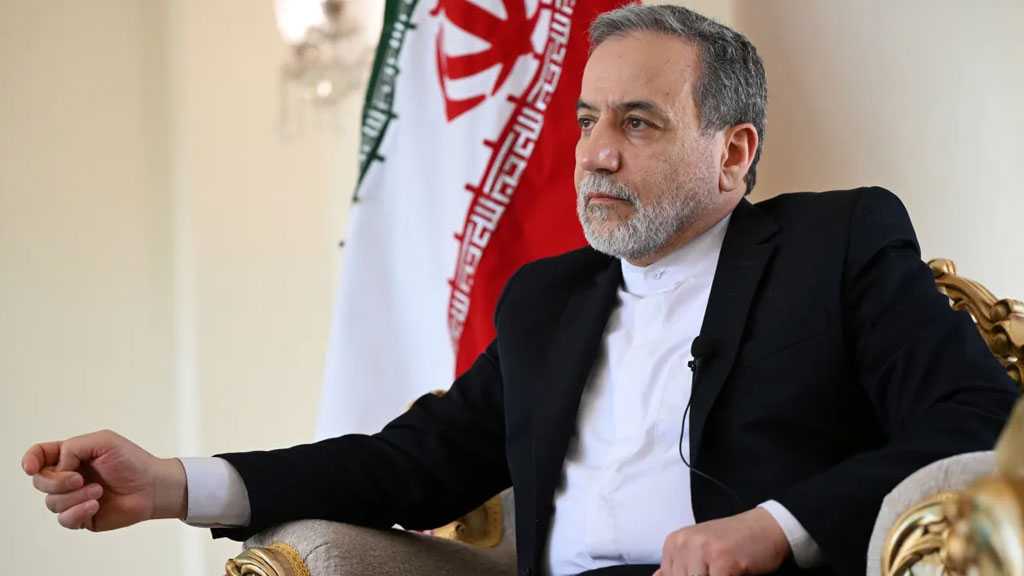
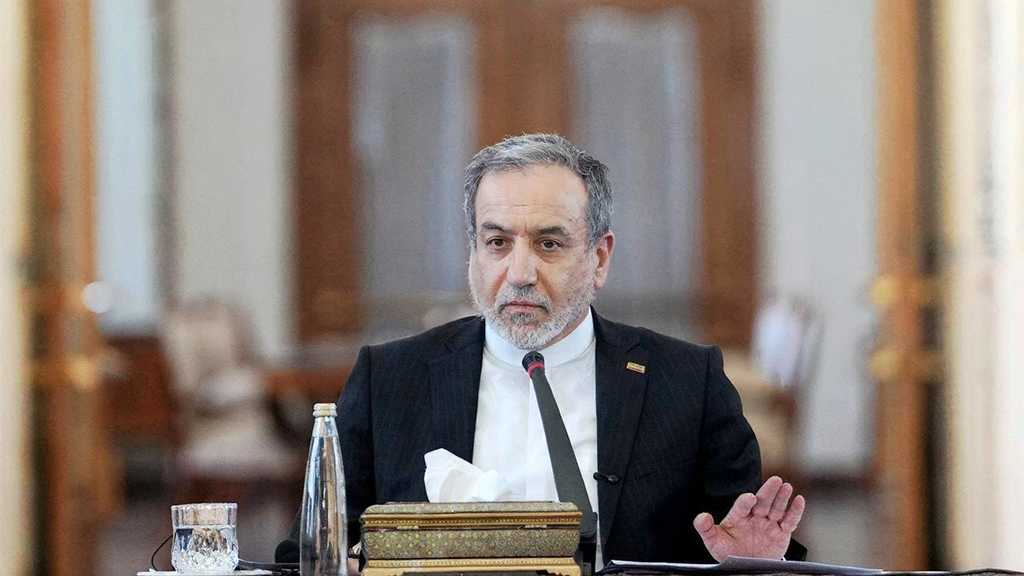
Iranian Foreign Minister Abbas Araghchi has urged the US to choose between a “just and honorable” agreement with Tehran and what he warned would be an even greater strategic failure if Washington launches another military attack against the Islamic Republic.
In an article published by The Financial Times on Wednesday, Araghchi said Washington must demonstrate seriousness and a genuine willingness to end its aggression permanently.
He warned that renewed military action would produce an outcome worse for the US than its previous campaign.
“If the US again chooses military action over diplomacy, I can say with complete and utter confidence that it will result in an even greater strategic failure,” he wrote.
Araghchi described Iran as an “ancient and proud civilization” that would never submit to another power, emphasizing that Tehran remained committed to defending its sovereignty while pursuing a peaceful resolution to the conflict.
He accused US President Donald Trump of launching the joint US “Israeli” aggression against Iran in late February based on mistaken assumptions about Iran’s resilience and military preparedness.
Araghchi said Iran’s armed forces had learned important lessons from attacks carried out by the US and “Israel” since 2025.
The foreign minister also questioned Washington’s credibility, citing attacks launched while Tehran was engaged in negotiations.
He pointed to the June 2025 and February 2026 attacks, as well as another strike in June this year, shortly after Trump and Iranian President Masoud Pezeshkian signed a memorandum of understanding intended to end the war.
Despite these developments, Araghchi said Iran remained willing to pursue diplomacy. He revealed that Tehran had presented Washington, through mediators at the recent United Nations General Assembly, with a seven-day proposal to end the war and reopen the Strait of Hormuz.
Under the plan, the strategic waterway would reopen on the sixth day, with negotiations on a final agreement resuming on the seventh. Araghchi said the proposal would not require Washington to undertake commitments it had not already accepted.
He warned that further military escalation around the Strait of Hormuz or elsewhere could threaten civilian lives, regional stability and the global economy.
He also criticized Washington for underestimating the economic consequences of the war, including rising living costs for ordinary Americans and damage to US military bases and equipment across the region.
Regarding the Strait of Hormuz, Araghchi stressed that alternative routes could not replace its importance to regional and global commerce.
He said Iran intended to maintain its historic role as a guardian of the waterway and ensure passage for vessels operating lawfully.
Araghchi concluded that further military aggression would not resolve the conflict, arguing that the US had failed to achieve its publicly stated objectives despite months of fighting. He reiterated that Washington now faced a choice between a negotiated settlement and further strategic setbacks.
Comments
- Related News