- Home
- ISLAMIC RESISTANCE
- SECRETARY-GENERAL
-
Full Speeches
- Speeches-2000
- Speeches-2006
- Speeches-2007
- Speeches-2008
- Speeches-2009
- Speeches-2010
- Speeches-2011
- Speeches-2012
- Speeches-2013
- Speeches-2014
- Speeches-2015
- Speeches-2016
- Speeches-2017
- Speeches-2018
- Speeches-2019
- Speeches-2020
- Speeches-2021
- Speeches-2022
- Speeches-2023
- Speeches-2024
- Speeches-2025
- Speeches-2026
- Speech-Reports
- SG
-
Full Speeches
- Voices
- Ten Day Dawn
- The Biggest Crime
- Martyr Leaders

Pentagon Scrambles to Shield US Bases After Iranian Strikes, Plans 90-Day Wartime Readiness
By Staff, Agencies
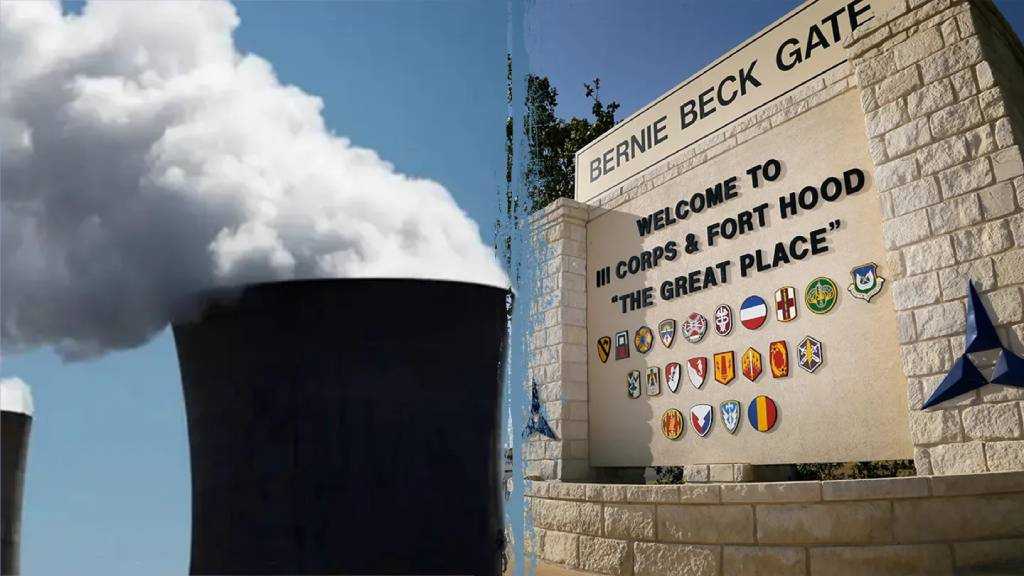
The Pentagon is developing a plan known as FORTRESS to enable United States military bases to sustain essential operations for at least 90 days during a major war, reducing dependence on civilian infrastructure and vulnerable global supply chains, Reuters reported, citing Fox News Digital.
The initiative includes independent power systems, emergency stockpiles, alternative manufacturing arrangements, and protected communications to keep military operations running during prolonged disruptions.
The plan came amid a reassessment of US military preparedness following Iran’s retaliatory strikes during the US-"Israeli" war on Iran. According to Breaking Defense, strikes reportedly rendered the Combined Air Operations Center at Al Udeid Air Base in Qatar inoperable, while damage to other installations prompted a review of US regional military infrastructure.
The war has also strained American stocks of missiles and air-defense interceptors, highlighting the challenges Washington faces in sustaining military operations during a prolonged regional war.
Pentagon spokesperson Sean Parnell described reliance on civilian infrastructure as an unacceptable risk, warning that major conflicts could disrupt global supply chains across multiple fronts.
FORTRESS calls for stockpiles of ammunition, fuel, medical supplies, spare parts, electronics, and critical minerals. It also seeks to establish at least two qualified suppliers or production channels for essential defense requirements.
The Pentagon plans to prepare commercial manufacturers to switch to defense production during emergencies through advance contracts, cybersecurity safeguards, mobilization exercises, and industrial stress tests.
The initiative also proposes portable nuclear reactors, battery storage, and localized electricity networks to keep bases operational if civilian power grids fail.
Additional measures would address disruptions to military communications, navigation, and satellite systems, including GPS jamming.
The Pentagon said the initiative reflects a shift away from the assumption that the US mainland is naturally protected from major conflict by its geographic distance from other powers.
Comments
- Related News