- Home
- ISLAMIC RESISTANCE
- SECRETARY-GENERAL
-
Full Speeches
- Speeches-2000
- Speeches-2006
- Speeches-2007
- Speeches-2008
- Speeches-2009
- Speeches-2010
- Speeches-2011
- Speeches-2012
- Speeches-2013
- Speeches-2014
- Speeches-2015
- Speeches-2016
- Speeches-2017
- Speeches-2018
- Speeches-2019
- Speeches-2020
- Speeches-2021
- Speeches-2022
- Speeches-2023
- Speeches-2024
- Speeches-2025
- Speeches-2026
- Speech-Reports
- SG
-
Full Speeches
- Voices
- Ten Day Dawn
- The Biggest Crime
- Martyr Leaders

Brazil Defies Trump Tariffs as China Slams US Measures
By Staff, Agencies
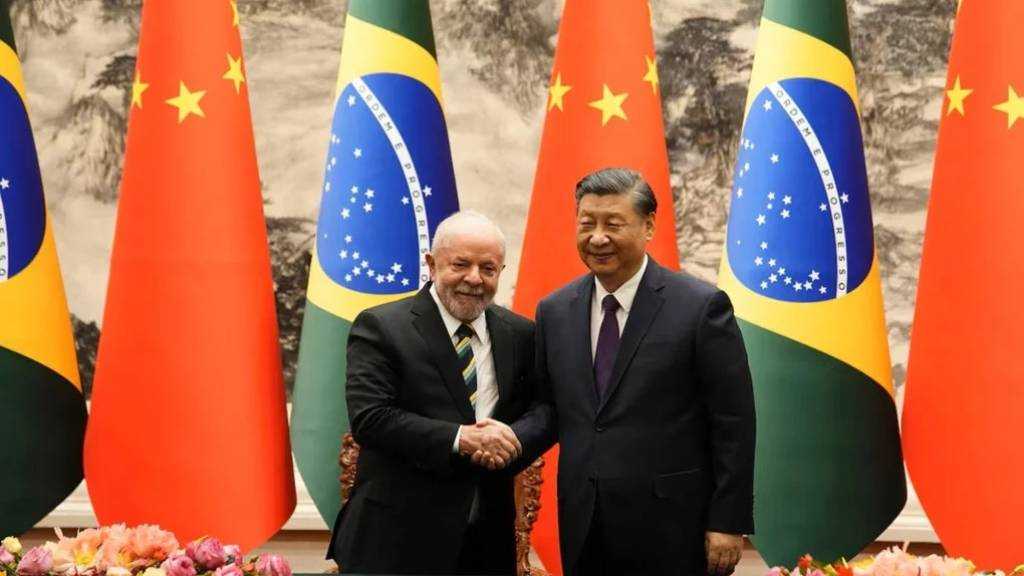
Brazil has rejected US President Donald Trump's latest tariff threats, declaring that it would not yield to Washington's pressure, while China denounced the proposed trade measures as baseless political manipulation.
The new tariffs target 14 major trading partners and have triggered objections from several governments.
Brazil's government described Washington's unilateral decision as "unacceptable," particularly criticizing proposed higher import duties on raw and refined sugar and a new 10% tariff on aircraft, which would affect Brazilian manufacturer Embraer.
Brasilia said it would continue negotiations while keeping retaliatory measures on the table in response to what it described as the illegal imposition of tariffs on its products.
China faces some of the highest proposed duties, with US tariff rates potentially reaching 20% and, in certain cases, combining with existing levies to reach 45%.
A Chinese embassy spokesperson rejected Washington's allegations of industrial overcapacity, warning against using the issue as a pretext for political manipulation.
Foreign Ministry spokesperson Guo Jiakun also stressed that neither a tariff war nor a trade war serves any country's interests, calling for dialogue and implementation of existing agreements between Trump and Chinese President Xi Jinping.
The European Union also rejected the proposed measures, urging Washington to honor its existing trade agreement. Vietnam, India and Taiwan expressed concerns over the findings, while Japan and Singapore criticized the proposed tariffs.
Other affected economies include South Korea, Indonesia, Malaysia, Thailand, Bangladesh, Cambodia and Switzerland.
The US administration said the proposed duties would be capped at lower rates under existing or ongoing trade agreements, with public hearings and industry consultations scheduled before implementation, potentially in February or March.
The latest measures have also drawn criticism within the United States. Democratic Senator Ron Wyden condemned Trump's tariff policy as an attempt to impose unilateral global duties, pledging to use available legislative tools to challenge the measures.
Meanwhile, US Trade Representative Jamieson Greer defended the tariffs, arguing that trading partners' practices had undermined American manufacturing and distorted global trade balances.
Comments
- Related News