- Home
- ISLAMIC RESISTANCE
- SECRETARY-GENERAL
-
Full Speeches
- Speeches-2000
- Speeches-2006
- Speeches-2007
- Speeches-2008
- Speeches-2009
- Speeches-2010
- Speeches-2011
- Speeches-2012
- Speeches-2013
- Speeches-2014
- Speeches-2015
- Speeches-2016
- Speeches-2017
- Speeches-2018
- Speeches-2019
- Speeches-2020
- Speeches-2021
- Speeches-2022
- Speeches-2023
- Speeches-2024
- Speeches-2025
- Speeches-2026
- Speech-Reports
- SG
-
Full Speeches
- Voices
- Ten Day Dawn
- The Biggest Crime
- Martyr Leaders

Yemeni Armed Forces Say Strike Disrupted Saudi Oil Export Route
By Staff, Agencies
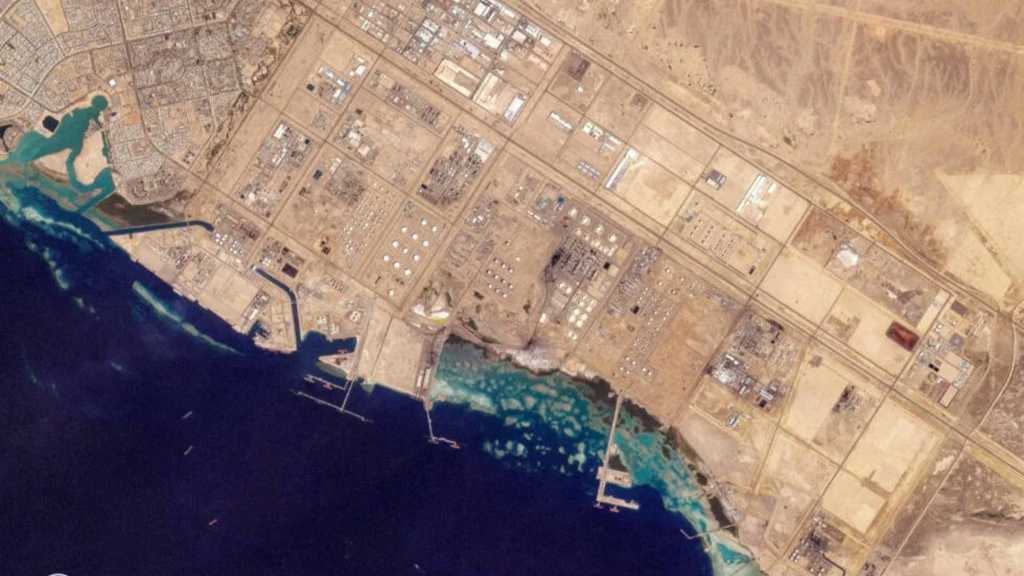
The Yemeni Armed Forces (YAF) announced on Monday that they had carried out a drone operation targeting several sites and critical points along the supply and transportation routes used to move crude oil from eastern Saudi Arabia to the Red Sea port of Yanbu.
In a statement, the YAF said the operation was conducted using several drones in response to what it described as repeated violations of Yemeni airspace by Saudi reconnaissance drones.
According to analysis by maritime intelligence firm Windward, loading volumes at Yanbu fell by approximately 40% after July 19, declining from about 5.16 million barrels per day to roughly 3.09 million barrels per day, based on Vortexa shipping data.
Windward also reported significant changes in tanker operations at Yanbu's King Fahd Industrial Port, with vessels increasingly switching off their Automatic Identification System (AIS) transponders while at berth in an apparent effort to avoid being tracked by Ansar Allah.
The disruption has reportedly forced Saudi Arabia to rely more heavily on an alternative export route through Egypt's SUMED pipeline, which connects Ain Sokhna on the Red Sea to Sidi Kerir on the Mediterranean coast, before shipments continue around the Cape of Good Hope toward Asian markets.
As a result, crude flows through the Egyptian route reportedly increased from approximately 1.15 million barrels per day to 1.60 million barrels per day over the same period.
Windward further reported that a South Korean energy company paid $18.5 million to transport a single cargo of 280,000 metric tons of crude oil, increasing shipping costs by approximately $9 per barrel, or about 8% to 9% above normal rates, excluding the additional transit time required to sail around Africa instead of using the Bab al-Mandeb Strait and the Suez Canal.
Comments
- Related News