Oil Prices Extend Decline as US Halts Strikes on Iran

By Staff, Agencies
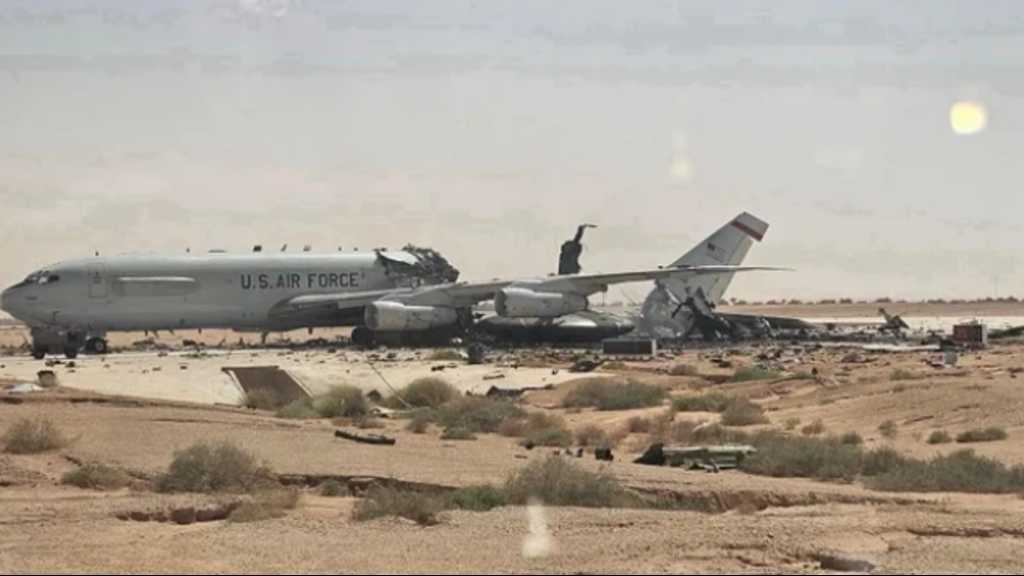
Oil prices continued to fall on Tuesday, dropping by more than $1 per barrel after the United States paused its military campaign against Iran, easing immediate concerns over disruptions to global oil supplies despite the ongoing conflict.
Brent crude futures fell $1.47, or 1.66%, to $86.89 per barrel by 03:26 GMT, their lowest level since July 20. US West Texas Intermediate [WTI] crude declined $1.45, or 1.76%, to $81.16 per barrel, also reaching its lowest level since July 20.
Both benchmarks had already fallen around 8% during the previous trading session after Washington unexpectedly suspended its airstrike campaign against Iran over the weekend.
US President Donald Trump said Monday that Washington was engaged in “good talks” with Iran and suggested there was still an opportunity to reach a resolution. However, he warned that military strikes could resume if negotiations fail. Iranian officials likewise warned that any renewed US attacks would be met with retaliation.
Iranian Foreign Ministry spokesman Esmaeil Baghaei confirmed that indirect negotiations were ongoing, emphasizing that the Islamic Republic’s priority remains safeguarding its national sovereignty rather than yielding to Washington’s demands.
The suspension of military operations eased fears of immediate supply disruptions, prompting traders to reduce the geopolitical risk premium that had supported oil prices in recent weeks.
“For now, the relief that an off-ramp has been found has taken the heat out of prices and eased concerns around Houthi attacks on Saudi infrastructure. However, the situation remains highly fluid,” IG analyst Tony Sycamore said.
Despite the decline, analysts cautioned that risks to regional energy supplies remain significant.
Afrah Al-Zouba, foreign minister-designate of Yemen’s Saudi-backed government, claimed that Ansarullah seeks to establish influence over maritime shipping through the Bab Al-Mandab Strait similar to Iran’s role in the Strait of Hormuz.
Marex analyst Edward Meir said it remains unclear whether the movement has the military capability to enforce a comprehensive blockade.
“Whether the Houthis have the military capacity to enforce a comprehensive blockade is questionable, especially given that the Saudis will attack them relentlessly. Still, there is no doubt that traffic has dropped off significantly in the Red Sea and the Strait of Hormuz,” Meir said.
He also noted that weakening global demand, particularly across Asian markets, has helped limit further increases in oil prices.
“A key reason prices are not even higher than they are right now is the demand destruction that is taking place, especially in Asia,” Meir added.
Saudi Arabia also claimed it intercepted drones targeting petroleum infrastructure, including facilities in Riyadh, alleging they had been launched from Iraq by resistance groups while reserving the right to respond.
Separately, Ansarullah announced that it had carried out retaliatory strikes against Saudi Arabia’s East-West Pipeline leading to the Red Sea port of Yanbu.
Oil prices also came under additional pressure after the Caspian Pipeline Consortium resumed crude exports from its Black Sea terminal in Russia following a week-long suspension caused by Ukrainian drone attacks.
Meanwhile, Barclays analysts reported that oil flows through the Strait of Hormuz remain below normal levels.
According to the bank, crude oil and refined product exports through the strategic waterway averaged 2.9 million barrels per day during the week ending July 24, compared with 5.9 million barrels per day the previous week.
Market attention has also turned to US petroleum inventories. A preliminary Reuters survey indicated that US crude stockpiles likely declined last week along with gasoline inventories, while distillate fuel stocks were expected to increase.
Although Washington’s decision to pause its military campaign against Iran has eased immediate concerns over energy supply disruptions, analysts warned that the conflict remains unresolved and could continue to influence oil markets.