- Home
- ISLAMIC RESISTANCE
- SECRETARY-GENERAL
-
Full Speeches
- Speeches-2000
- Speeches-2006
- Speeches-2007
- Speeches-2008
- Speeches-2009
- Speeches-2010
- Speeches-2011
- Speeches-2012
- Speeches-2013
- Speeches-2014
- Speeches-2015
- Speeches-2016
- Speeches-2017
- Speeches-2018
- Speeches-2019
- Speeches-2020
- Speeches-2021
- Speeches-2022
- Speeches-2023
- Speeches-2024
- Speeches-2025
- Speeches-2026
- Speech-Reports
- SG
-
Full Speeches
- Voices
- Ten Day Dawn
- The Biggest Crime
- Martyr Leaders

Lebanese Healthcare Workers Describe Deadly Conditions Under “Israeli” Attacks
By Staff, Agencies
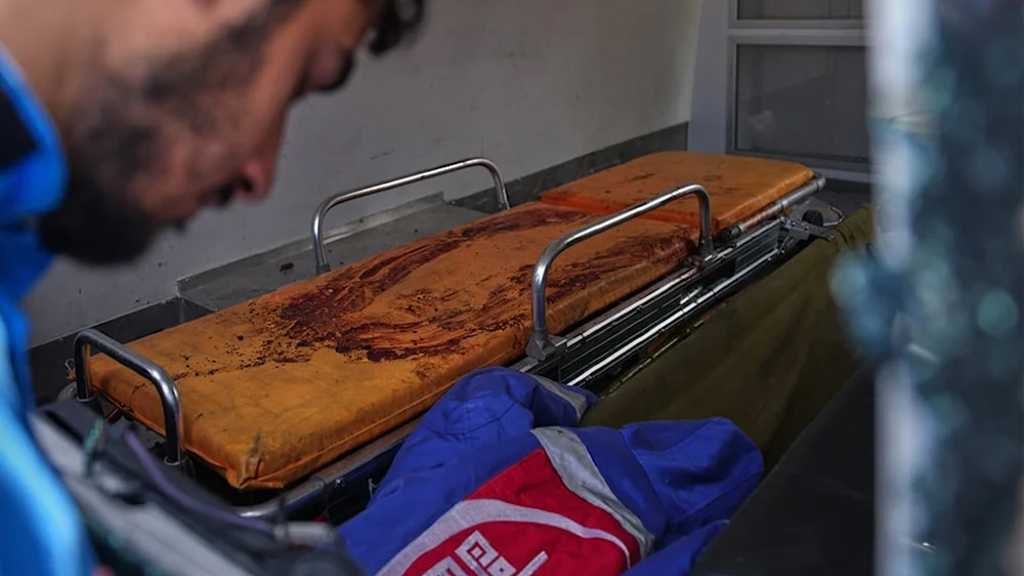
Healthcare workers in southern Lebanon have described working under constant danger during the recent conflict, saying that treating the wounded increasingly meant risking their own lives as they faced direct attacks while carrying out medical duties, according to a report by The Guardian.
The report highlights the experience of 66-year-old surgeon Moustapha Hamze, who has been living and working at Nabih Berri Governmental Hospital in Nabatieh after being unable to safely return to his home in nearby Kfarrouman.
Hamze said an “Israeli” drone attacked him during an attempt to reach his house, first dropping a stun grenade before detonating an explosive about 10 metres away.
Hamze told The Guardian that he closed his private clinic after the war began on March 2 and volunteered at the public hospital throughout nearly five months of fighting, leaving only briefly after a ceasefire was reached in June.
He now sleeps in a small surgery room and spends his days treating patients arriving at the emergency department.
According to Lebanon's Health Ministry, at least 135 healthcare workers have been killed by the “Israeli” occupation since the conflict began.
The report said many of the deaths occurred in so-called "double-tap" attacks, in which emergency responders were struck while assisting victims.
The “Israeli” occupation has claimed ambulances were used to transport weapons for Hezbollah. However, The Guardian reported that human rights organizations, including Amnesty International, said they found no evidence to support those allegations.
Hamze said the latest conflict was unlike any previous war he had experienced, describing extensive destruction and severe injuries among civilians.
He added that, for the first time, he felt healthcare workers themselves had become direct targets.
The surgeon recalled seeing ambulance crews leave on rescue missions only to return dead, describing the experience as psychologically devastating.
He also remembered paramedic Mahdi Abu Zeid, who was killed during the conflict, saying his death illustrated the heavy toll the war had taken on Lebanon's medical community.
Comments
- Related News