- Home
- ISLAMIC RESISTANCE
- SECRETARY-GENERAL
-
Full Speeches
- Speeches-2000
- Speeches-2006
- Speeches-2007
- Speeches-2008
- Speeches-2009
- Speeches-2010
- Speeches-2011
- Speeches-2012
- Speeches-2013
- Speeches-2014
- Speeches-2015
- Speeches-2016
- Speeches-2017
- Speeches-2018
- Speeches-2019
- Speeches-2020
- Speeches-2021
- Speeches-2022
- Speeches-2023
- Speeches-2024
- Speeches-2025
- Speeches-2026
- Speech-Reports
- SG
-
Full Speeches
- Voices
- Ten Day Dawn
- The Biggest Crime
- Martyr Leaders

US Treasury Chief Says America’s Income Gap Is Narrowing
By Staff, Agencies
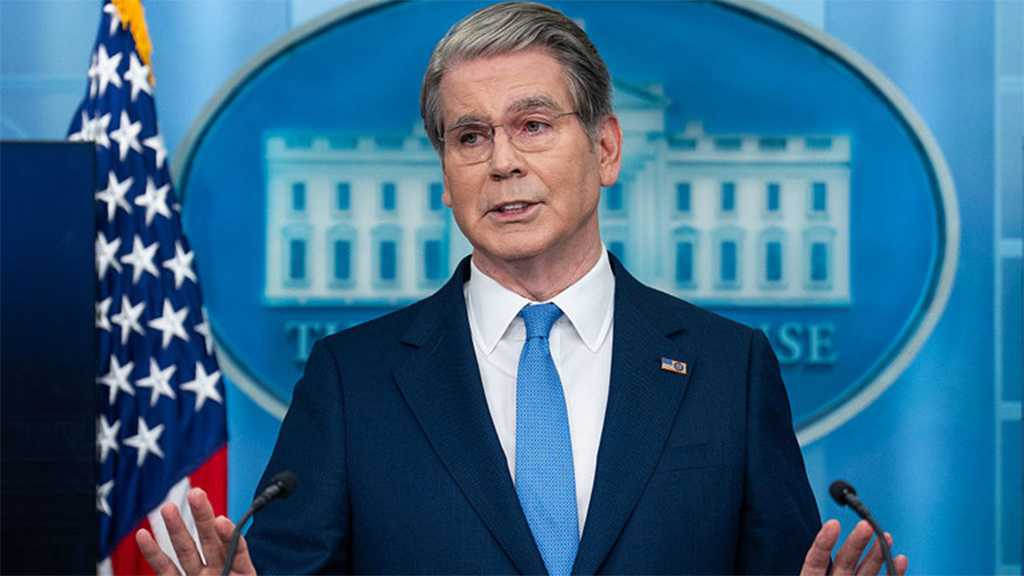
US Treasury Secretary Scott Bessent has argued that the long-standing economic divide between higher- and lower-income Americans is narrowing, despite continued concerns over inflation and the rising cost of living.
Speaking in an interview with CNBC, Bessent rejected the characterization of the US as a "K-shaped economy," in which wealthier households continue to prosper while lower-income Americans fall further behind.
"I got sick of hearing about this K-shaped economy," Bessent said. "I can say here definitively, the K-shaped economy is over."
Instead, he said the country is moving toward what he described as a "C-shaped economy," with lower-income workers beginning to close the gap.
According to Bessent, the bottom 25% of American workers have recorded a 2% increase in real wages, comparing the trend with wage growth during President Donald Trump's first term.
His comments come ahead of November's midterm elections as inflation remains above the Federal Reserve's long-term 2% target.
Rising energy prices linked to the US-“Israeli” war on Iran, together with Trump's global tariff policies, have continued to put upward pressure on consumer prices.
A Marquette University Law School poll released this week found that inflation and the cost of living remain Americans' top concern, cited by 35% of respondents.
Trump has repeatedly pointed to record gains on Wall Street as evidence of a strengthening US economy, saying stock markets have reached dozens of record highs since he returned to office and that the average American 401(k) retirement account has gained more than $30,000.
Economists, however, argue that rising stock prices do not necessarily reflect the financial situation of most Americans because stock ownership is concentrated among higher-income households.
Moody's Analytics estimated that households earning more than $200,000 accounted for nearly 60% of US consumer spending during the first quarter of 2026, while inflation-adjusted spending among the remaining 80% of earners remained largely unchanged.
Data from the Federal Reserve Bank of Atlanta's Wage Growth Tracker also indicate that wage growth has remained positive this year but does not show lower-paid workers outpacing higher-income earners.
Bessent also highlighted tax provisions included in Trump's "One Big Beautiful Bill Act," including tax relief on some tips and overtime pay, deductions for certain auto loan interest, and lower taxes for some retirees, arguing the measures would increasingly benefit American households over time.
Comments
- Related News