The Guardian Unveils Aspects of “Israel’s” Ecocide in South Lebanon
By Staff, The Guardian
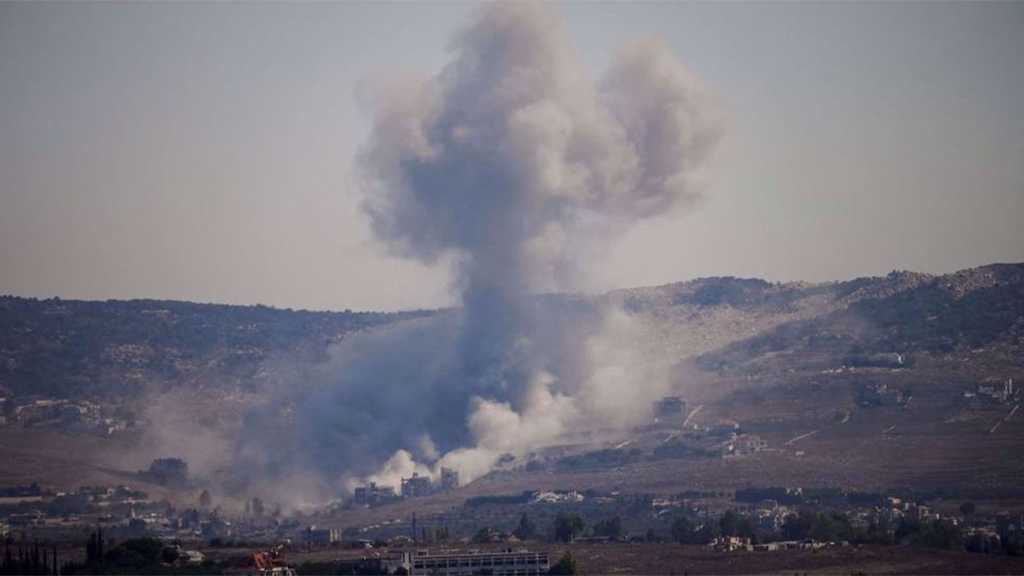
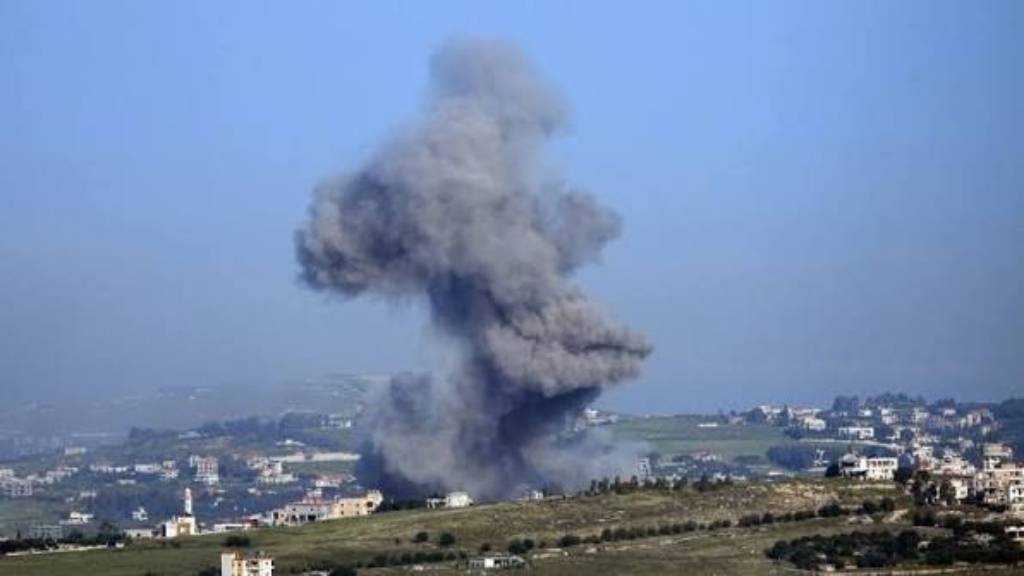
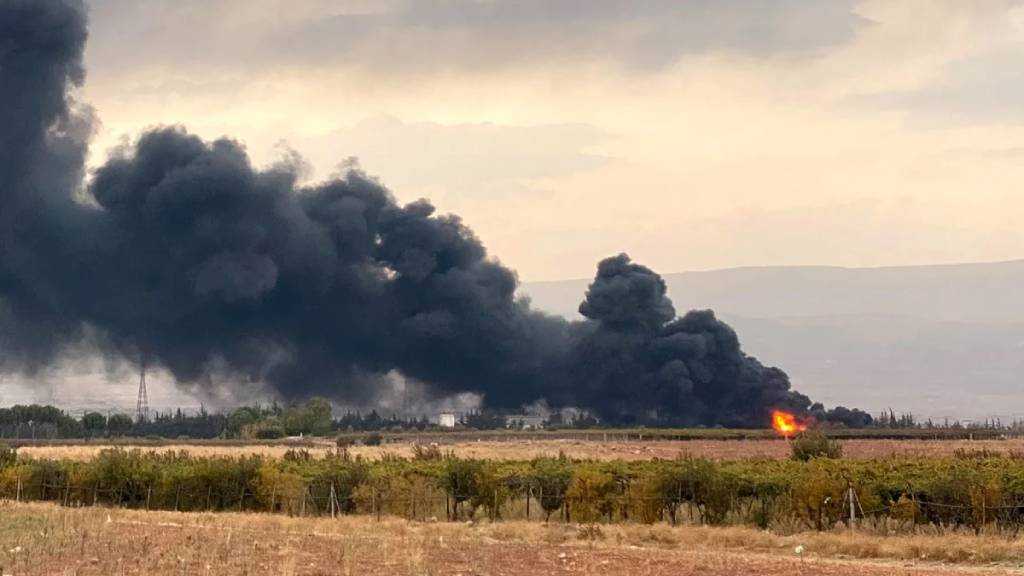
Firefighters and residents of South Lebanon confirmed that the “Israeli” occupation is lighting wildfires in the region, as forested areas burned down in blazes sparked by “Israeli” bombing.
Environmental groups said the fires in recent weeks were part of a longstanding “Israeli” practice of targeting Lebanon’s natural environment.
On Tuesday, the “Israeli” military dropped flares in a wooded area outside Khiam, in South Lebanon, sparking blazes. When firefighters attempted to extinguish the flames, a drone struck close by, forcing them to withdraw, the head of the civil defiance in the Nabatiyeh region, Hussein Fakih, told the Guardian.
“Most of our missions are now related to fires. There are enormous areas of woodland that have burned, I don’t have the exact figures, but in the areas close to the [frontline], around 30-40% of the land has been affected by fires,” he said.
According to the British daily, the “Israeli” occupation has caused fires across South Lebanon, in particular in olive groves and agricultural land, in the nearly two-months since the 17 June ceasefire.
“They started doing this right after the ceasefire, and there have been incendiary bombs every day,” said Fakih. “Small drones come out and drop incendiary materials, [white] phosphorus shells are fired at the woodlands, in addition to illumination flares that they drop during the daytime so the vegetation catches fire.”
Firefighters and residents of other areas in South Lebanon describe similar blazes being started by “Israeli” munitions and drones in dry scrub and woodlands. On Friday, “Israeli” munitions created large wildfires in two heavily forested areas: in Kfarchouba, close to the border, and between Jezzine and the western Beqaa valley.
The civil defense station chief in the area, Samir Hardan, said a fire was started near Kfarchouba on Friday afternoon after a drone dropped a munition in woodlands. “After battling blazes overnight and extinguishing them on Saturday, a second drone started another fire on Sunday,” Hardan said.
Firefighters, who are required to coordinate their movements with the Lebanese army, which relays their request to a “deconfliction” group that includes the “Israeli” occupation, were given permission to fight the fires at only two spots, and not other areas where fires were raging.
According to environmental groups, the fires are part of a pattern of “Israeli” attacks against Lebanon’s environment, which threaten the country’s woodlands and the biodiversity they support, experts said.
“These are long-established woodlands, dominated by productive stone pine alongside oak. They perform critical functions. The wider area is also an important passage and resting ground for migratory birds,” said Hisham Younes, the founder of the Lebanese conservation organization Green Southerners.
Younes called the “Israeli” attacks an “ecocide”, saying they were part of the military’s pattern of assaults on South Lebanon’s environment to degrade its ecosystem with munitions, fire and chemicals.
Younes said: “It is not about any single fire or attack, but a pattern of destruction that progressively erodes the ability of ecosystems to function, regenerate and sustain life. When those cascading effects also undermine livelihoods and people’s ability to return to and remain on their land, environmental destruction becomes inseparable from the wider transformation of the territory itself.”
Ecologists and rights groups have said that fires and other forms of widespread environmental destruction would have wider effects on civilian populations.
“Israeli” occupation used trebuchets – medieval catapults – to fling flaming debris over its border wall with Lebanon in the summer of 2024, while the Lebanese army published photos of “Israeli” drones that carried hoses used to douse forests in flammable materials.
Health and environmental experts raised the alarm in February when “Israeli” planes dropped herbicides linked to cancer on farms in South Lebanon.
Besides the environmental and health consequences of these fires, residents of South Lebanon have mourned the loss of the green spaces in the villages where they grew up.
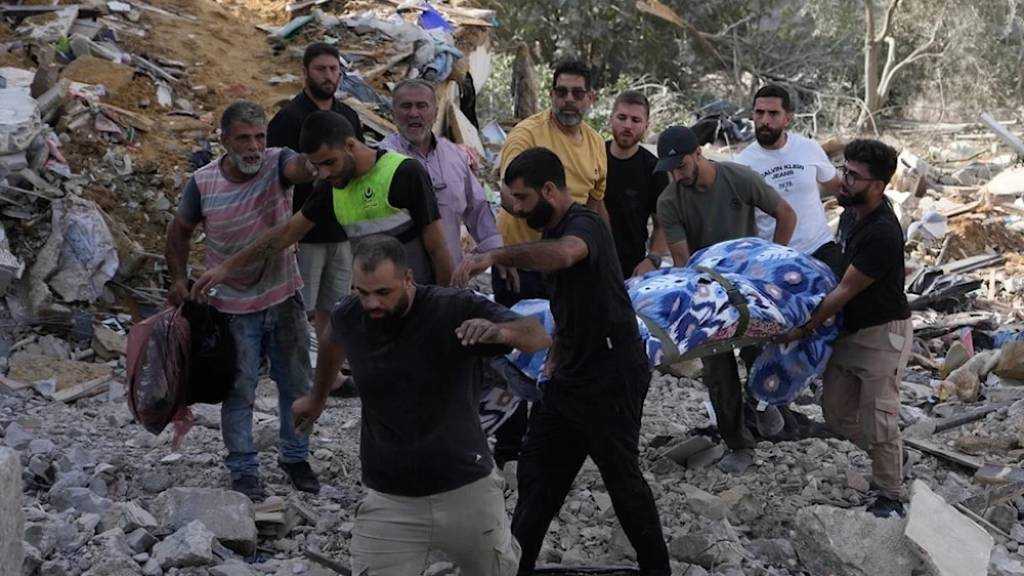
On 1 August, displaced residents of the border village of Yaroun found their olive and fruit groves, as well as their homes, had been set ablaze by occupying “Israeli” troops.
“They had already bulldozed the whole village. Then they set fire to the trees. What remained in this particular area were the olive trees - large groves, with very old olive trees. They started there, then the fire spread along the outskirts of the village,” said Hafez Ghasham, the mayor of Yaroun.
People in Yaroun had already watched in previous months as all but 20 of the 900 houses in the village were bulldozed by the “Israeli” occupation, pooling resources to buy expensive satellite imagery of the village during their displacement.
“Many of these trees, most of them, in fact, were inherited from our grandparents and parents. They have enormous sentimental value. The trees were also an important source of income for the people of the village,” Ghasham said. “They are trying to make the land uninhabitable. They are erasing our entire history, our entire culture, all our memories. Maybe the idea is that after some time, it will look as though nobody had ever lived here.”