- Home
- ISLAMIC RESISTANCE
- SECRETARY-GENERAL
-
Full Speeches
- Speeches-2000
- Speeches-2006
- Speeches-2007
- Speeches-2008
- Speeches-2009
- Speeches-2010
- Speeches-2011
- Speeches-2012
- Speeches-2013
- Speeches-2014
- Speeches-2015
- Speeches-2016
- Speeches-2017
- Speeches-2018
- Speeches-2019
- Speeches-2020
- Speeches-2021
- Speeches-2022
- Speeches-2023
- Speeches-2024
- Speeches-2025
- Speeches-2026
- Speech-Reports
- SG
-
Full Speeches
- Voices
- Ten Day Dawn
- The Biggest Crime
- Martyr Leaders

Putin: India Shows Growing Interest in Russia’s Arctic Shipping Route
By Staff, Agencies
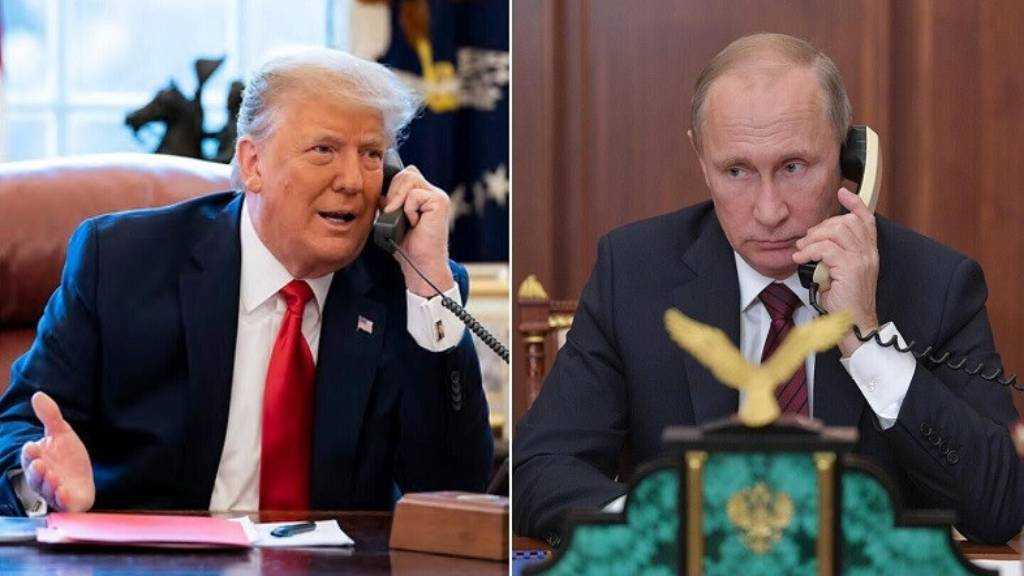
India is among the countries showing active interest in Russia’s Northern Sea Route [NSR], Russian President Vladimir Putin said on Thursday, as major Asian economies seek to expand trade links with Russia amid Western sanctions.
“We see growing interest from countries wishing to engage with us on this front,” Putin said while discussing the Arctic shipping route. He identified China and India among Russia’s key partners actively engaged in discussions over cooperation on the route.
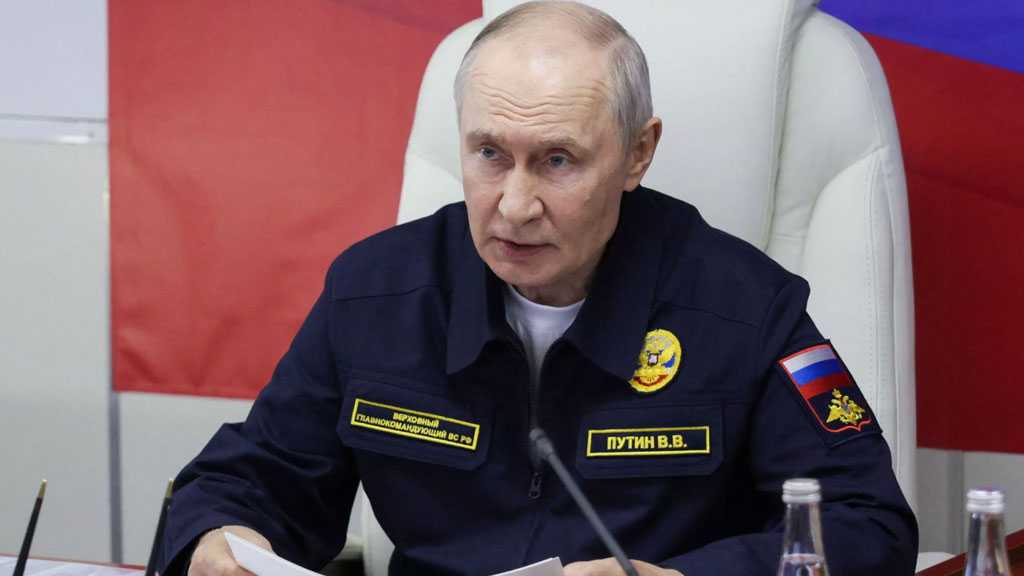
Putin made the remarks during a visit to Russia’s Far East and Sakhalin Region, where he was overseeing naval exercises. Speaking to Pacific Fleet personnel aboard the missile cruiser Varyag, he said interest from partner countries had increased following Western sanctions imposed over the Ukraine conflict.
He stressed that cooperation along the Northern Sea Route would be conducted in accordance with international maritime law.
India is also a key partner at the Arctic – Regions Forum, being held on August 13-14 in Arkhangelsk in northern Russia.
With the 10,380-kilometer Chennai-Vladivostok corridor, also known as the Eastern Maritime Corridor, becoming operational in 2024, India and Russia have accelerated efforts to expand cooperation on the Northern Sea Route as they work toward a bilateral trade target of $100 billion.
Last month, Russian Prime Minister Mikhail Mishustin said Rosatom, the designated operator and coordinator of the Northern Sea Route, had been instructed to sign a memorandum with India covering maritime cargo transportation along the Arctic passage.
The state-owned Russian conglomerate operates the country’s specialized fleet of nuclear-powered icebreakers, which play a crucial role in keeping the Arctic shipping route open and navigable.
Russia is investing heavily in the roughly 5,600-kilometer Northern Sea Route, which runs along the country’s Arctic coastline and is considered the shortest maritime connection between East Asia and Europe.
For India, the Arctic passage could provide an alternative route for transporting commodities to markets in eastern and northern Europe. The route can reduce the distance by as much as 40% and cut travel times by around two weeks compared with traditional routes through the Suez Canal, which have faced disruptions amid conflict in the Middle East.
India and Russia also formalized the Reciprocal Exchange of Logistics Support [RELOS] agreement during Putin’s visit to New Delhi in December. The pact provides India with access to ports along the Northern Sea Route, stretching from Vladivostok to Murmansk.
In June, Russian Minister for the Development of the Far East and the Arctic Aleksey Chekunkov said Indian Prime Minister Narendra Modi and the country’s business community were interested in expanding trade relations with Russia’s Far East.
“We have dramatic common capabilities, common opportunities to jointly develop an ice-level fleet, to jointly develop container shipping, which is happening,” Chekunkov said.
Indian shipyards are meanwhile holding discussions on the construction of non-nuclear icebreakers capable of operating in the demanding Arctic environment, potentially strengthening India’s role in the development of the emerging shipping corridor.
Comments
- Related News