- Home
- ISLAMIC RESISTANCE
- SECRETARY-GENERAL
-
Full Speeches
- Speeches-2000
- Speeches-2006
- Speeches-2007
- Speeches-2008
- Speeches-2009
- Speeches-2010
- Speeches-2011
- Speeches-2012
- Speeches-2013
- Speeches-2014
- Speeches-2015
- Speeches-2016
- Speeches-2017
- Speeches-2018
- Speeches-2019
- Speeches-2020
- Speeches-2021
- Speeches-2022
- Speeches-2023
- Speeches-2024
- Speeches-2025
- Speeches-2026
- Speech-Reports
- SG
-
Full Speeches
- Voices
- Ten Day Dawn
- The Biggest Crime
- Martyr Leaders

Oil Rises as US-’Israeli’ War on Iran Deepens Global Supply Fears
By Staff, Agencies
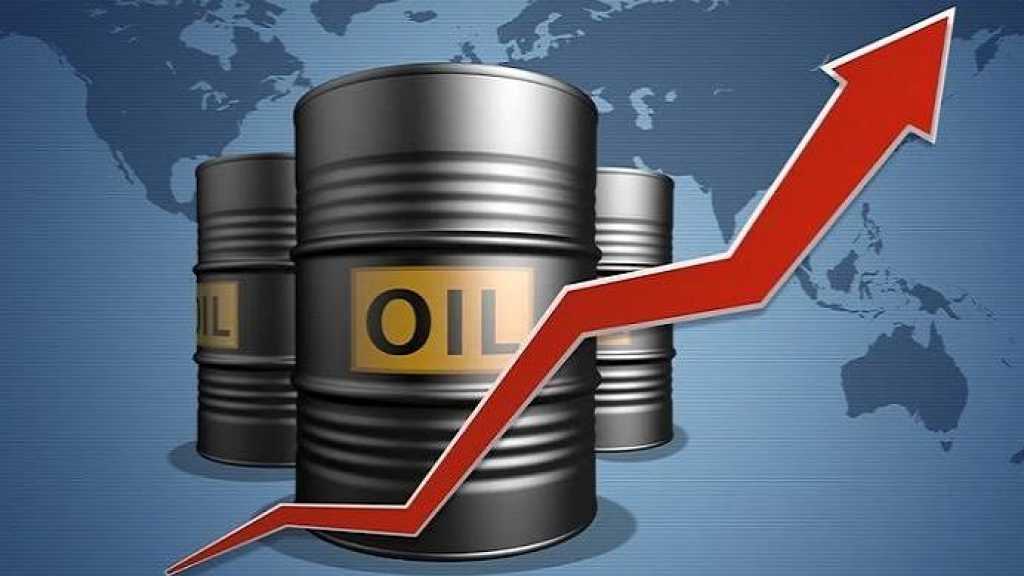
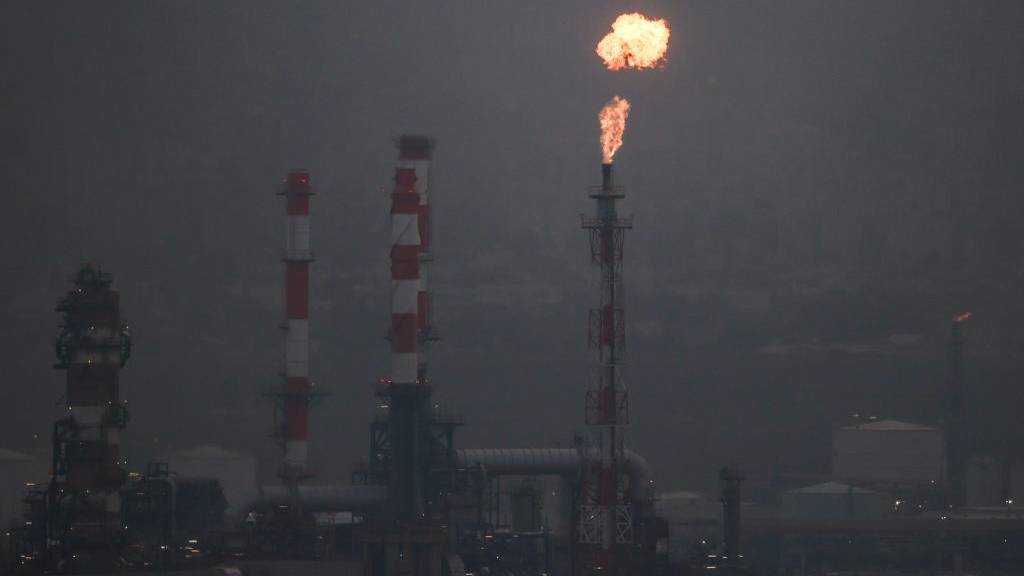
Oil prices rose on Tuesday as the prolonged US-"Israeli" war on Iran and Washington’s refusal to extend a temporary ceasefire continued to fuel concerns over global energy supplies and key maritime routes.
Brent crude futures gained 27 cents, or 0.3%, to $91.14 a barrel by 0003 GMT, after reaching their highest level since July 30 in the previous session. US West Texas Intermediate crude rose 42 cents to $85.04 after earlier reaching $85.37, its highest since July 31.
The rise came as efforts to secure a lasting end to the war remained stalled, with Tehran signaling a stronger military response. A senior Iranian official told Reuters on Monday that Iran would shift to a “fully offensive” posture after negotiations failed to produce a lasting agreement.
Meanwhile, Washington has ruled out extending the temporary ceasefire, further dimming hopes for an immediate diplomatic breakthrough and prolonging uncertainty across energy markets.
KCM chief market analyst Tim Waterer said oil prices had risen as US-Iran tensions worsened, with no clear agreement on reopening the Strait of Hormuz and shipping traffic remaining extremely limited.
Kpler data showed that only five commodity vessels crossed Hormuz on Saturday, while none were recorded on Sunday, compared with 31 crossings during the previous weekend.
At the same time, supply concerns have intensified around Bab al-Mandeb, another strategic chokepoint connecting the Red Sea with the Gulf of Aden. Sanaa said it targeted a Saudi military vessel and four escort ships with missiles, according to military spokesperson Yahya Saree.
Both Hormuz and Bab al-Mandeb are vital routes for global energy trade, linking Gulf producers with markets in Asia and Europe. Continued instability around the two waterways has therefore heightened fears of wider disruptions to energy supplies and global trade.
Meanwhile, Iran and Oman have continued talks on a mechanism regulating passage through the Strait of Hormuz, with Tehran saying the two sides are close to an agreement. The negotiations remain among the few regional avenues for easing tensions around the strategic waterway.
However, US President Donald Trump’s threat to bomb Oman over its role in the negotiations has further complicated the diplomatic environment and raised concerns over Washington’s approach to regional mediation.
At the same time, reports that Trump has opened back-channel discussions with the IRG suggest Washington is still seeking communication channels with Tehran despite publicly rejecting an extension of the ceasefire.
The war is continuing to weigh on shipping, energy prices, and regional security, while US crude inventories are also expected to have declined last week alongside product stockpiles, according to a preliminary Reuters poll, potentially providing further support for oil prices.
Ultimately, the main concern for energy markets remains the continuation of the US-"Israeli" war and its impact on Hormuz and Bab al-Mandeb, with the lack of a political settlement keeping the risk of further supply disruptions in focus.
Comments
- Related News