- Home
- ISLAMIC RESISTANCE
- SECRETARY-GENERAL
-
Full Speeches
- Speeches-2000
- Speeches-2006
- Speeches-2007
- Speeches-2008
- Speeches-2009
- Speeches-2010
- Speeches-2011
- Speeches-2012
- Speeches-2013
- Speeches-2014
- Speeches-2015
- Speeches-2016
- Speeches-2017
- Speeches-2018
- Speeches-2019
- Speeches-2020
- Speeches-2021
- Speeches-2022
- Speeches-2023
- Speeches-2024
- Speeches-2025
- Speeches-2026
- Speech-Reports
- SG
-
Full Speeches
- Voices
- Ten Day Dawn
- The Biggest Crime
- Martyr Leaders

Europe’s Heatwave Crisis Threatens Food Supplies as Harvests Plunge Across EU
By Staff, Agencies
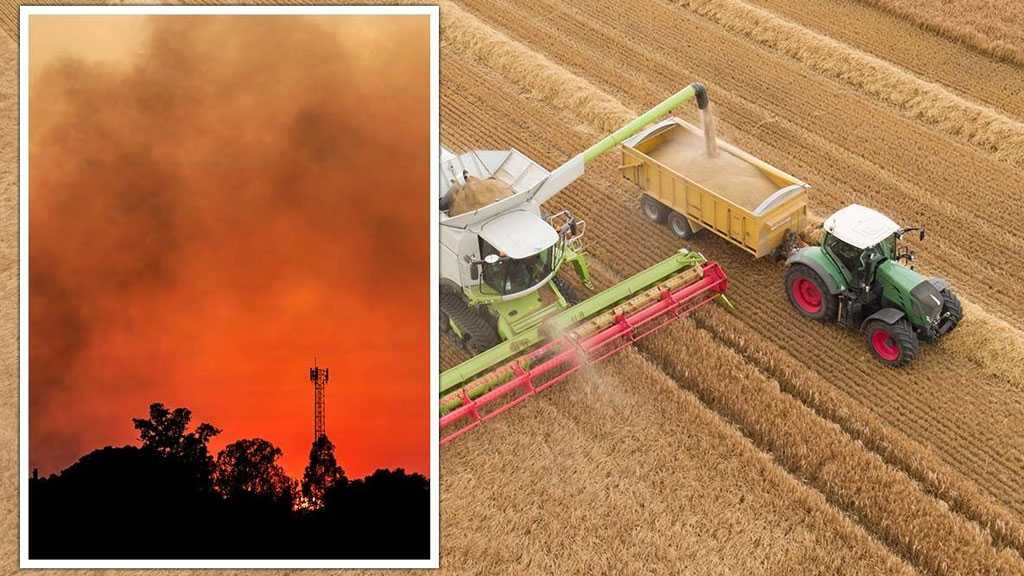
Agricultural producers across the European Union are warning of severe crop and livestock losses following successive heatwaves, raising concerns that declining food production could drive prices sharply higher in the coming months.
June and July were the hottest months on record in western Europe, according to the EU’s Copernicus Climate Change Service, which has warned of a “continued risk of heatwaves affecting much of Europe” through August and into September.
France, one of the EU’s largest grain producers, has been particularly affected. The country’s national geological survey reported that groundwater reserves had been severely depleted across large parts of the country by early August.
Prince de Bretagne, a major growers’ cooperative in Brittany, warned last week of a “historic” vegetable crisis. It expects pea production to fall by 40%, broccoli yields by 60%, and artichoke production by between 50% and 100% this summer.
Eric Legras, president of Unilet, France’s leading association for canned and frozen vegetable producers, said extreme heat had affected northern and southwestern regions and described the situation as “exceptional.”
The impact is also being felt by livestock producers, who have warned of a growing “forage production deficit” ahead of winter. France’s National Committee for the Promotion of Eggs estimates that heatwaves have reduced daily egg production by around one million, while poultry farms have reported elevated mortality.
Northern Italy’s agricultural sector has also been hit by severe water shortages. In one of Europe’s major rice-producing regions, Coldiretti, Italy’s largest farmers’ association, said some rice paddies were “completely dead, burnt, with the rice dried out.”
Spanish farmers have reported substantial losses in cereal production alongside shortages of fodder for livestock.
In Germany, the German Farmers’ Association warned Tuesday that grain production is expected to be 7% lower than last year, representing a decline of around 3.3 million tons. Some southern regions could potentially face complete crop failures.
Neighboring Poland is also facing mounting risks. Business outlet Puls Biznesu warned last month that persistent drought could leave the country increasingly dependent on food imports.
The economic consequences could be substantial. Analysts at Zurich Insurance Group and several European banks estimate that the heatwaves could cost the EU between €50 billion and €180 billion, while reduced agricultural output threatens to place additional pressure on food supplies and consumer prices across the bloc.
Comments
- Related News