- Home
- ISLAMIC RESISTANCE
- SECRETARY-GENERAL
-
Full Speeches
- Speeches-2000
- Speeches-2006
- Speeches-2007
- Speeches-2008
- Speeches-2009
- Speeches-2010
- Speeches-2011
- Speeches-2012
- Speeches-2013
- Speeches-2014
- Speeches-2015
- Speeches-2016
- Speeches-2017
- Speeches-2018
- Speeches-2019
- Speeches-2020
- Speeches-2021
- Speeches-2022
- Speeches-2023
- Speeches-2024
- Speeches-2025
- Speeches-2026
- Speech-Reports
- SG
-
Full Speeches
- Voices
- Ten Day Dawn
- The Biggest Crime
- Martyr Leaders

Carbon Pollution Drives “Massive Expansion” of Marine Heatwaves Across Europe
By Staff, Agencies
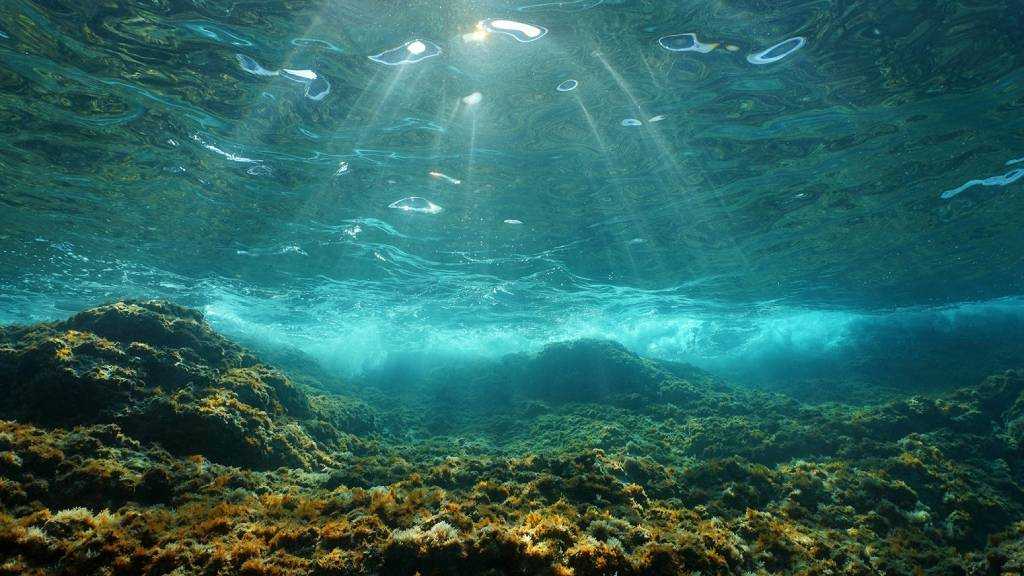
Carbon pollution has driven a “massive expansion” of marine heatwaves across European waters this summer, with some areas recording temperatures up to 6°C above normal, according to a new analysis by World Weather Attribution.
The researchers found that the hottest two-week periods would have been “virtually impossible” in a preindustrial climate across three of the four regions studied. In the Celtic region around the British Isles, temperatures reached levels that previously occurred only about once a century.
Climate change was responsible for roughly two-thirds of the excess heat, warming waters by around 2°C in the Mediterranean, 1.4°C around the Bay of Biscay and Iberian Peninsula, and 1.3°C near Ireland and the Channel. The analysis has not yet undergone peer review.
Meanwhile, marine heatwaves have affected around 90% of the Bay of Biscay and Iberian coast and 80% of the western Mediterranean this year. Without human-driven warming, researchers estimate those affected areas would have been roughly half as large.
The extreme ocean heat threatens marine ecosystems, including corals and macroalgae, while contributing to fish and seabird mortality. Warmer seas can also keep coastal areas dangerously hot overnight and intensify rainfall on nearby land.
Scientists said the findings reinforce growing evidence that Europe’s increasingly extreme temperatures are linked to climate breakdown.
Jamie Atkins of Utrecht University said the effects on European seas were “really starting to bite” and warned that their impact on daily life should not be underestimated.
The findings also drew criticism of Europe’s continued fossil-fuel expansion. Mohamed Adow of Power Shift Africa said the study showed there is “no safe corner of the planet in a climate crisis,” arguing that continued oil and gas development would lock in further warming and push ecosystems toward potentially irreversible damage.
Comments
- Related News