- Home
- ISLAMIC RESISTANCE
- SECRETARY-GENERAL
-
Full Speeches
- Speeches-2000
- Speeches-2006
- Speeches-2007
- Speeches-2008
- Speeches-2009
- Speeches-2010
- Speeches-2011
- Speeches-2012
- Speeches-2013
- Speeches-2014
- Speeches-2015
- Speeches-2016
- Speeches-2017
- Speeches-2018
- Speeches-2019
- Speeches-2020
- Speeches-2021
- Speeches-2022
- Speeches-2023
- Speeches-2024
- Speeches-2025
- Speeches-2026
- Speech-Reports
- SG
-
Full Speeches
- Voices
- Ten Day Dawn
- The Biggest Crime
- Martyr Leaders

Qalibaf Scoffs at US Treasury Secretary’s Contradictory ‘Economic D-Day’ Remarks
By Staff, Agencies
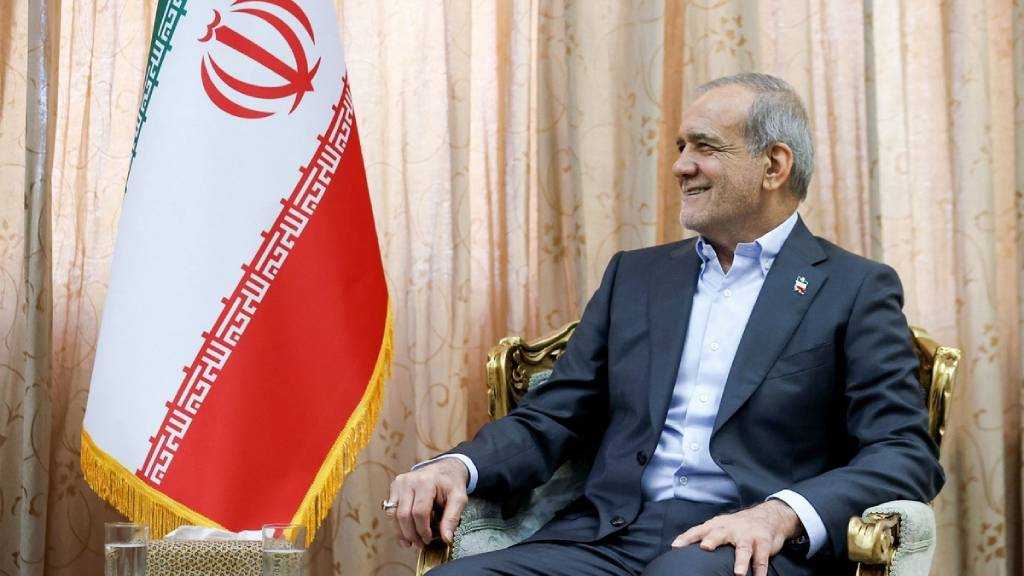
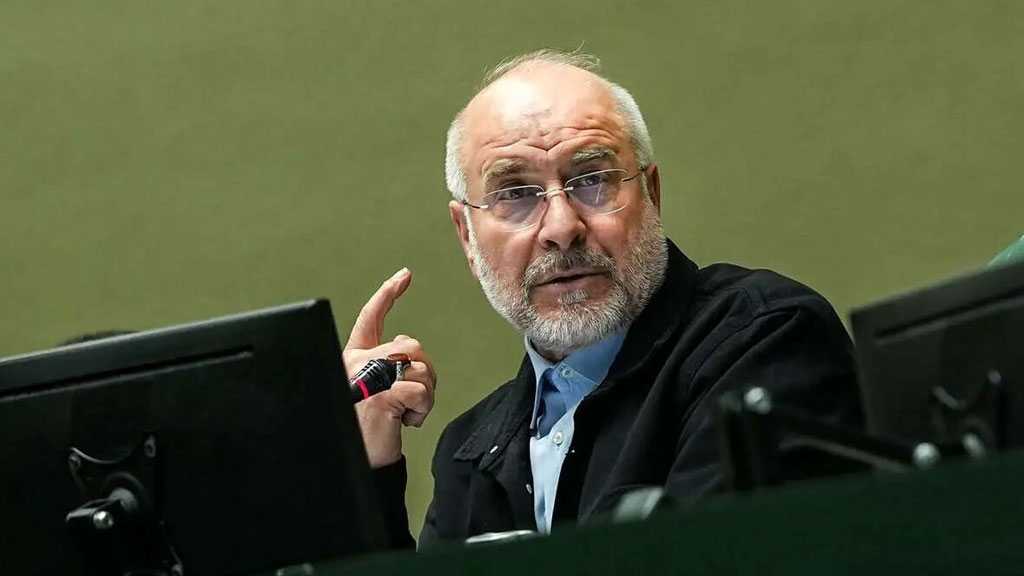
Iranian Parliament Speaker Mohammad-Baqer Qalibaf has underlined a radical contradiction marking US Treasury Secretary Scott Bessent’s recent announcement of a new wave of illegal sanctions against Iran.
The top legislator made the remarks in a post on X on Tuesday.
He noted how the announcement made by Bessent a day earlier saw him describe the measures under the so-called "Economic D-Day" terms only to be met with a reporter’s inquisitive questioning about how the measures could compare to the allied invasion of France in 1944.
The United States has unveiled a new wave of illegal sanctions against the Islamic Republic of Iran under the so-called "Operation Economic Outcast."
"Why would I want to blow up the global financial system?" Bessent said in response in what observers have described as his acknowledgement that further American economic pressure on Iran would trigger worldwide blowback.
"Him: ‘Economic D-Day.’ Also him, five seconds later: "[lol] why would I want to blow up the global financial system?" Qalibaf wrote in his post, citing the exchange.
He then addressed Bessent in an inquiring tone, saying, "Sir this ain’t Normandy, this is improv[ization] night and you forgot your own script."
The announcement came after the United States stopped radically short of achieving its objectives during the latest bout of unprovoked aggression that it waged together with the "Israeli" entity against Iran from February 28 until April 7.
The aggression failed to realize the allies’ goals of overthrowing Iran’s Islamic establishment and irreversibly damaging the country’s defensive capabilities. It was rather faced with at least 100 waves of uncompromising Iranian reprisal that forced US President Donald Trump to announce a unilateral ceasefire.
The US then began repeatedly violating the ceasefire and also breaching a memorandum of understanding that was reached in June, by targeting the Iranian soil and trying to enforce illegal maritime transit through the Strait of Hormuz.
The violations, however, were faced with similar resolute Iranian retaliation that featured decisive strikes on hostile targets across the region and a determined closure of the strait.
Comments
- Related News