Iran’s Pezeshkian: Surrender? Of Course Not!
By Staff, Agencies
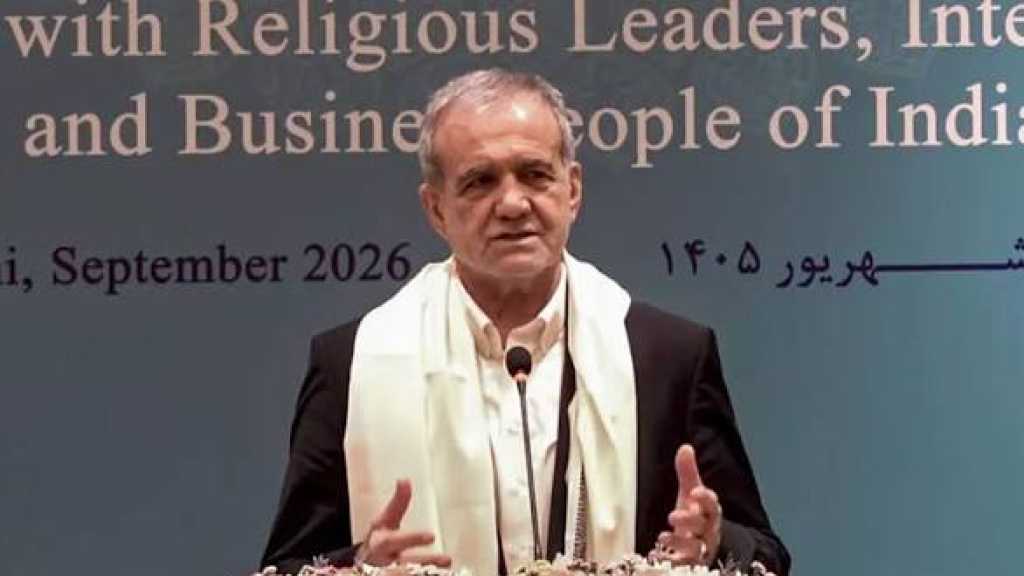
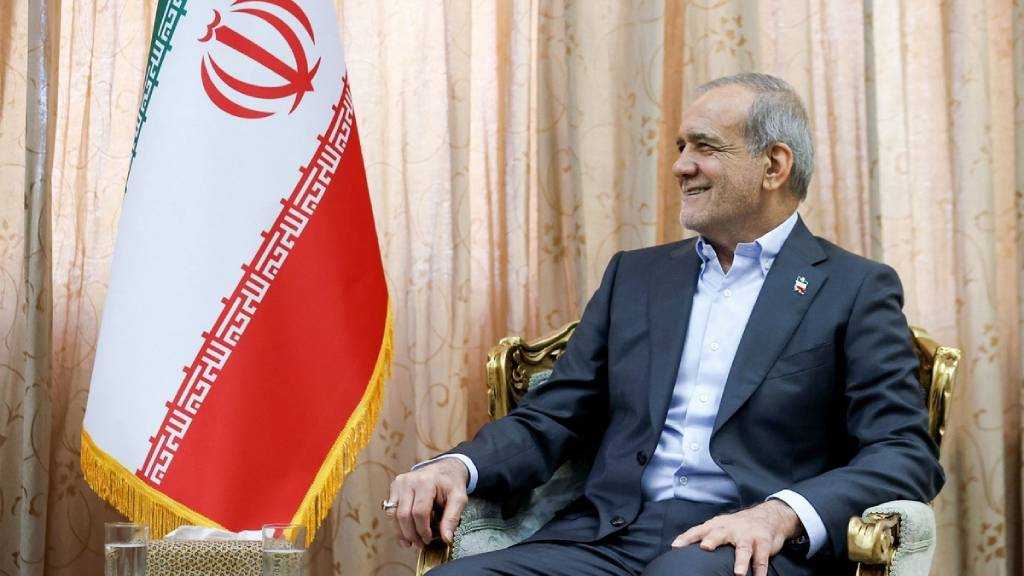
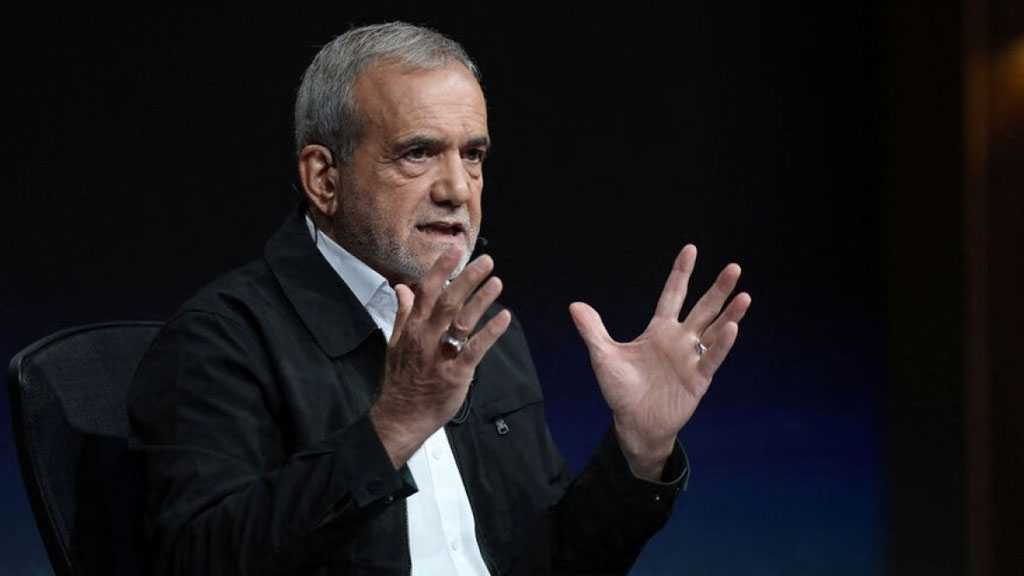
Iranian President Masoud Pezeshkian has firmly rejected any notion of capitulation, confirming that the Islamic Republic of Iran is fully determined to annul the United States’ economic warfare, which he says is explicitly designed to sow division and discord among the Iranian people.
Speaking during a meeting with a group of accomplished Iranian youth and adolescents on Tuesday, Pezeshkian highlighted the shifting nature of modern warfare.
He said adversaries, having realized they cannot subjugate or defeat the Iranian nation through direct military means, have pivoted to targeting social issues and economic grievances to incite chaos.
“The entire effort of myself and the officials of the system is to preserve unity and cohesion,” the president stated. He emphasized that applying economic pressure is a primary strategy of the US and its allies to force Iran into submission.
“Should we give in to problems and surrender? Of course not,” Pezeshkian said.
“Each of us will find a way, and with the participation of all segments of society, we will rebuild our region and our country.”
Pezeshkian recalled that enemies had calculated they could trigger the collapse of the Islamic Republic by inciting riots in January, followed by a massive military strike within a matter of days.
However, he said this plot was entirely thwarted due to the profound unity and cohesion within the Iranian society.
Pezeshkian called for continued mutual support and empathy, urging elites, academics, and university scholars to play a pivotal role in addressing social tensions.
He said tackling social harms with fair, just, and equitable treatment is an undeniable necessity and a core imperative of the system.
Addressing recent diplomatic developments, Pezeshkian defended the signing of the Islamabad Memorandum of Understanding [MoU], which was closely coordinated with the Supreme National Security Council [SNSC] and the heads of the three branches of government.
He said the decision was rooted in collective wisdom, extensive interaction, and a shared commitment to the principles of dignity and national expediency.
“No one gave up, because we all successfully managed the war and stood firm against the world’s overwhelming nuclear power.”
He dismissed the claims of armchair critics, emphasizing that the agreement was signed not out of fear or submission, but based on logic, strategic awareness, and the successful management of a complex geopolitical crisis.
Initially hailed as a major diplomatic breakthrough, the MoU mandated a 60-day window for both sides to negotiate a final, comprehensive settlement.
Iranian officials viewed the agreement as a strategic victory, demonstrating that Tehran’s resilience and deterrence capabilities had successfully forced Washington to the negotiating table without compromising Iran’s core sovereign rights.
However, the fragile framework quickly unraveled.
Tehran recently announced the suspension of its own obligations under the accord, asserting that the United States shattered the agreement first through bad-faith negotiations, continued economic coercion, and a failure to honor its commitments.
This diplomatic collapse has prompted Pakistan’s urgent, high-level shuttle diplomacy to salvage the MoU and prevent the region from sliding back into open conflict
Comments