- Home
- ISLAMIC RESISTANCE
- SECRETARY-GENERAL
-
Full Speeches
- Speeches-2000
- Speeches-2006
- Speeches-2007
- Speeches-2008
- Speeches-2009
- Speeches-2010
- Speeches-2011
- Speeches-2012
- Speeches-2013
- Speeches-2014
- Speeches-2015
- Speeches-2016
- Speeches-2017
- Speeches-2018
- Speeches-2019
- Speeches-2020
- Speeches-2021
- Speeches-2022
- Speeches-2023
- Speeches-2024
- Speeches-2025
- Speeches-2026
- Speech-Reports
- SG
-
Full Speeches
- Voices
- Ten Day Dawn
- The Biggest Crime
- Martyr Leaders

Oil Prices Slide as Iran Talks Raise Hopes for Hormuz Reopening
By Staff, Agencies
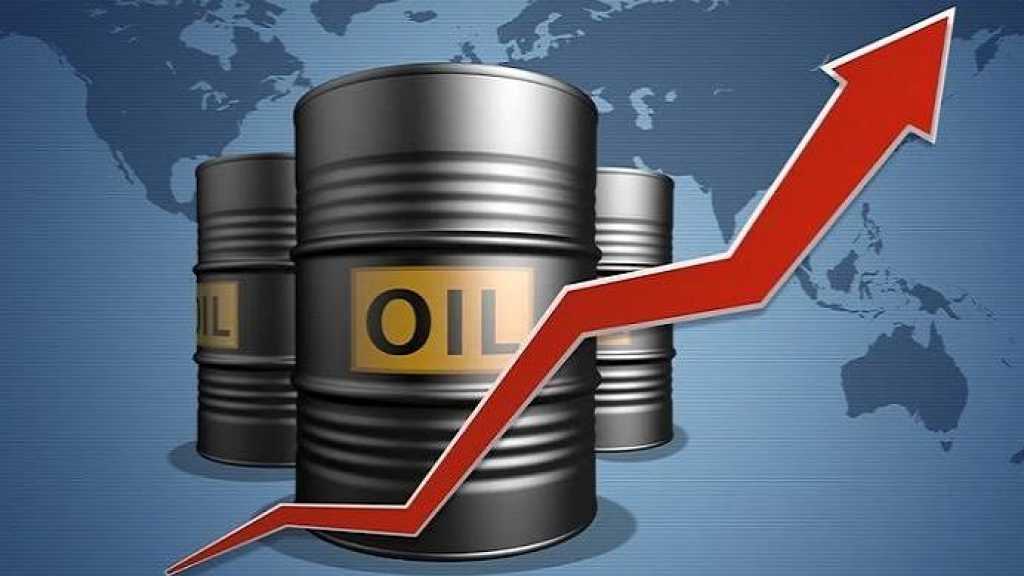
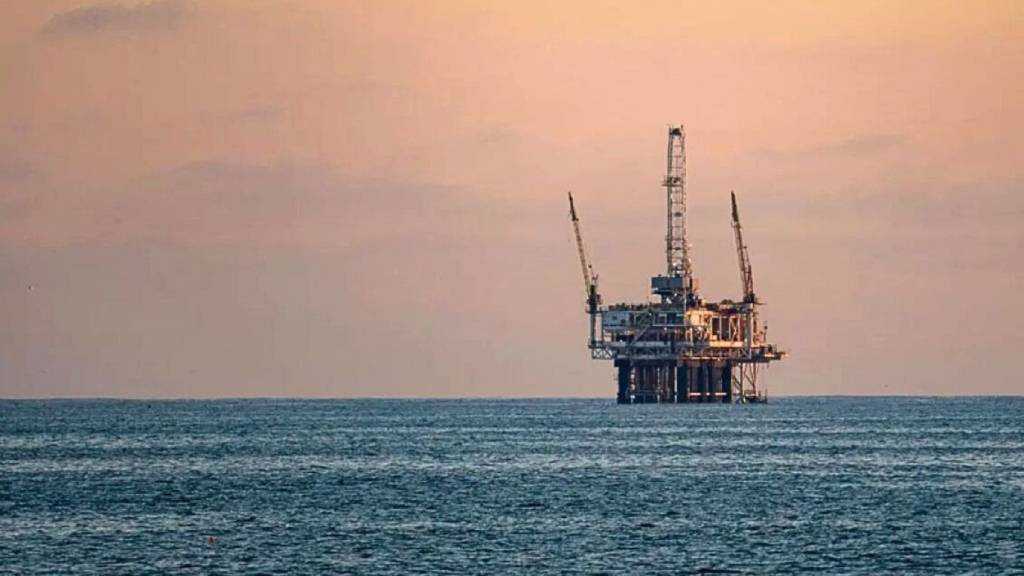
Oil prices fell further on Thursday as renewed diplomatic efforts involving Iran and Qatar raised hopes that the Strait of Hormuz could eventually reopen, easing disruptions to global energy supplies.
Brent crude fell 41 cents, or 0.5%, to $87.43 a barrel at 3:30 GMT, putting it on track for a fourth straight session of losses. West Texas Intermediate dropped 37 cents, or 0.5%, to $81.86, marking its fifth consecutive decline.
The drop came as markets assessed efforts to end the war in West Asia, which has severely disrupted oil and gas shipments through the Strait of Hormuz, a vital route for global energy supplies.
Meanwhile, Iran and Oman are working to finalize an agreement on the waterway, a senior Iranian source said Wednesday, according to Reuters.
Iran’s Revolutionary Guards [IRG] had earlier said the two countries agreed on arrangements for sharing control of the strait, which links major Gulf oil producers to international markets.
Before the US-“Israeli” war on Iran began on February 28, the strait carried oil and natural gas equivalent to around one-fifth of global consumption. Since Iran moved to shut the waterway in response to the war, flows have fallen to about one-quarter of pre-war levels, according to ship-tracking data.
“Crude oil edged lower as the prospect of the Strait of Hormuz reopening improved amid ongoing talks,” said Daniel Hynes, senior commodity strategist at ANZ, while warning that supply shortage concerns persist.
At the same time, Qatar’s prime minister is due to travel to Iran on Thursday to revive diplomatic talks aimed at ending the nearly six-month war.
Although the US has halted attacks on Iran for about a month while increasing economic pressure on Tehran, Iran and Washington remain far apart over the terms for ending the war. Iranian officials have said the strait will not reopen unless the US agrees to the terms of an interim ceasefire reached in June that later unraveled.
Despite the diplomatic push, supply risks remain. Priyanka Sachdeva, head of market insights at Phillip Nova, said Iran’s nuclear program remains central to the dispute and is unlikely to be resolved quickly, while Tehran understands the strategic leverage provided by its control over the Strait of Hormuz.
“As long as the risk to supply remains, some degree of war premium can continue to be priced into oil,” she said.
The war in West Asia and the Russia-Ukraine conflict are also affecting global diesel markets. Refineries in West Asia have been damaged, while Ukrainian strikes on Russian refineries have reduced exports from a major global diesel supplier.
This tightening is also reflected in inventories. The US Energy Information Administration reported Wednesday that US distillate stockpiles, including diesel and heating oil, fell by 2.2 million barrels in the week to August 21, reaching 103.4 million barrels—the lowest level ever recorded for this time of year.
Comments
- Related News