- Home
- ISLAMIC RESISTANCE
- SECRETARY-GENERAL
-
Full Speeches
- Speeches-2000
- Speeches-2006
- Speeches-2007
- Speeches-2008
- Speeches-2009
- Speeches-2010
- Speeches-2011
- Speeches-2012
- Speeches-2013
- Speeches-2014
- Speeches-2015
- Speeches-2016
- Speeches-2017
- Speeches-2018
- Speeches-2019
- Speeches-2020
- Speeches-2021
- Speeches-2022
- Speeches-2023
- Speeches-2024
- Speeches-2025
- Speeches-2026
- Speech-Reports
- SG
-
Full Speeches
- Voices
- Ten Day Dawn
- The Biggest Crime
- Martyr Leaders

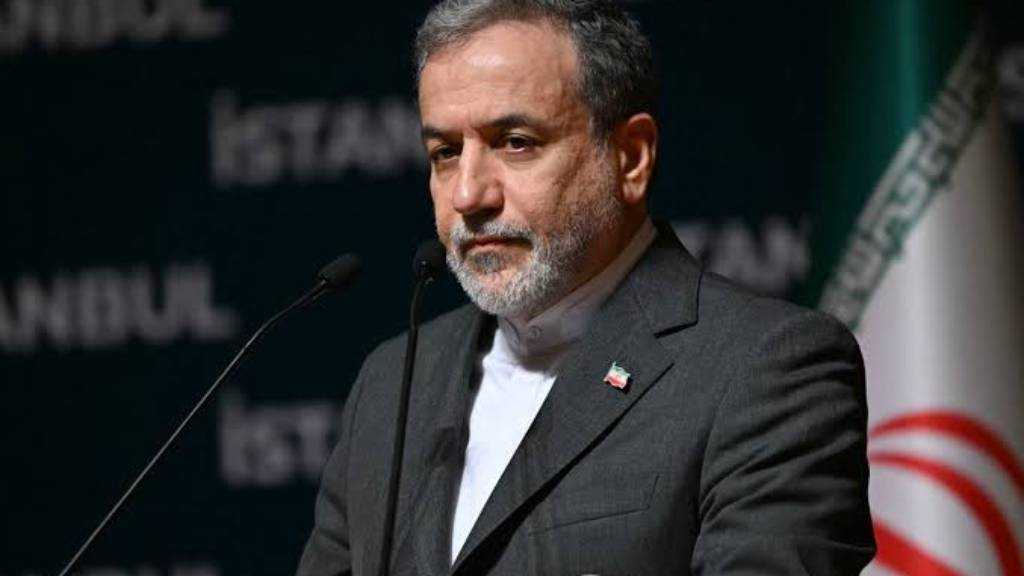
Araghchi: Iran Will Defend Its Rights Through Diplomacy, Force
By Staff, Agencies
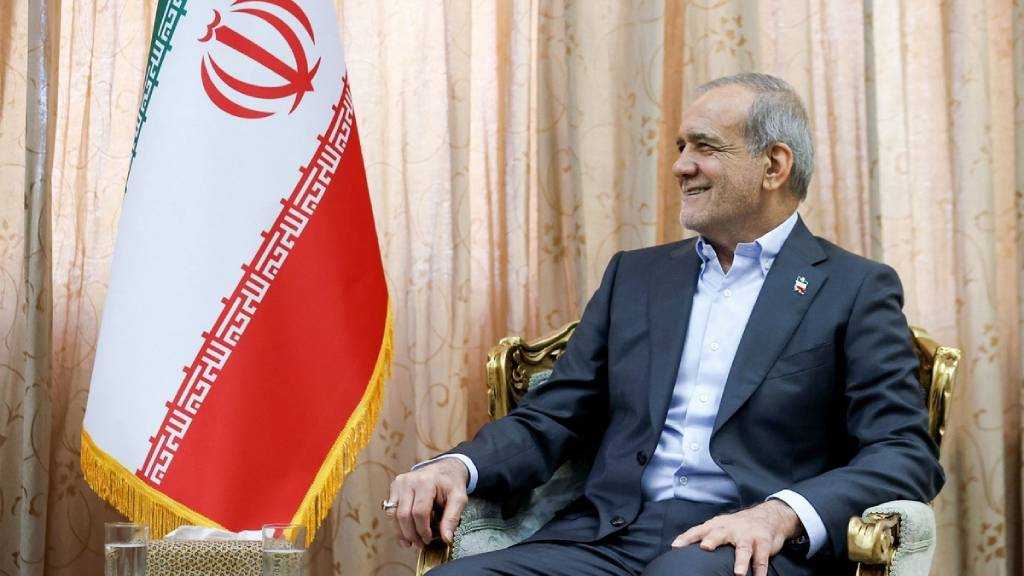
Iranian Foreign Minister Abbas Araghchi said Tehran will defend the interests and rights of the Iranian people through diplomatic and military means, while emphasizing the importance of strengthening ties with neighboring and regional countries.
Meanwhile, Araghchi said Iran “will not tolerate violations of the ceasefire” or allow the enemy to normalize such violations, stressing that Tehran is confronting them for this reason.
He added that Iran seeks good relations with all Muslim countries, particularly its neighbors, and is working to expand economic ties across the region.
Regarding Egypt, Araghchi said there is “no basis for disagreement between Iran and Egypt,” stressing that Tehran is ready to restore relations whenever Cairo decides to do so.
On Lebanon, he said Iran seeks positive relations with all groups and factions and is prepared to establish constructive ties with the Lebanese government.
However, he acknowledged disagreements with some of Beirut’s policies and expressed hope that Lebanon’s Foreign Ministry would show “more rationality.”
Earlier, Araghchi said restoring diplomacy with the United States remains possible, but stressed that Washington must change its approach and recognize that “pressure doesn't work.”
Following what he described as “creative discussions” with Qatar’s Prime Minister and Foreign Minister Sheikh Mohammed bin Abdulrahman Al Thani, Araghchi said reviving diplomacy depends on Washington understanding that pressure is ineffective. He called on the US to build trust, speak respectfully, recognize Iran’s rights and honor its commitments.
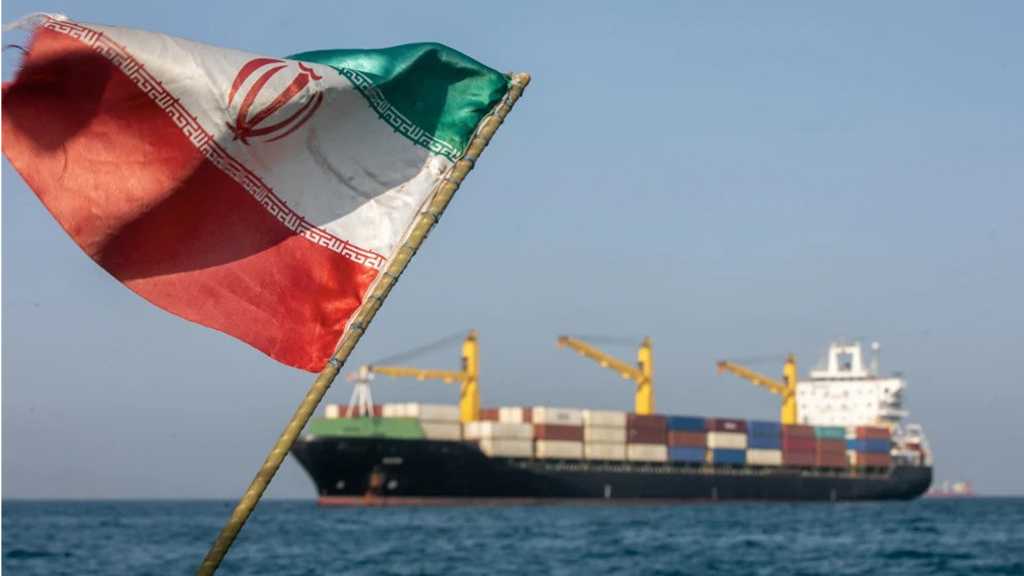
At the same time, Iran and Oman are advancing a framework for managing navigation through the Strait of Hormuz, including a temporary joint maritime corridor and measures to facilitate safe shipping.
According to a joint statement, Tehran and Muscat agreed Tuesday on a phased framework to establish a practical basis for navigation through the strategic waterway. The plan includes a temporary joint navigation corridor and a joint project to clear mines from the strait.
Technical talks will continue toward a permanent navigation corridor and longer-term arrangements covering traffic management, information exchange, and maritime and security services.
Tehran and Muscat also underscored the importance of dialogue with Gulf littoral states, calling for respect for international law and the sovereign rights of coastal countries. The Strait of Hormuz, linking the Gulf with the Gulf of Oman, remains a vital route for regional and international maritime trade.
Comments
- Related News