- Home
- ISLAMIC RESISTANCE
- SECRETARY-GENERAL
-
Full Speeches
- Speeches-2000
- Speeches-2006
- Speeches-2007
- Speeches-2008
- Speeches-2009
- Speeches-2010
- Speeches-2011
- Speeches-2012
- Speeches-2013
- Speeches-2014
- Speeches-2015
- Speeches-2016
- Speeches-2017
- Speeches-2018
- Speeches-2019
- Speeches-2020
- Speeches-2021
- Speeches-2022
- Speeches-2023
- Speeches-2024
- Speeches-2025
- Speeches-2026
- Speech-Reports
- SG
-
Full Speeches
- Voices
- Ten Day Dawn
- The Biggest Crime
- Martyr Leaders

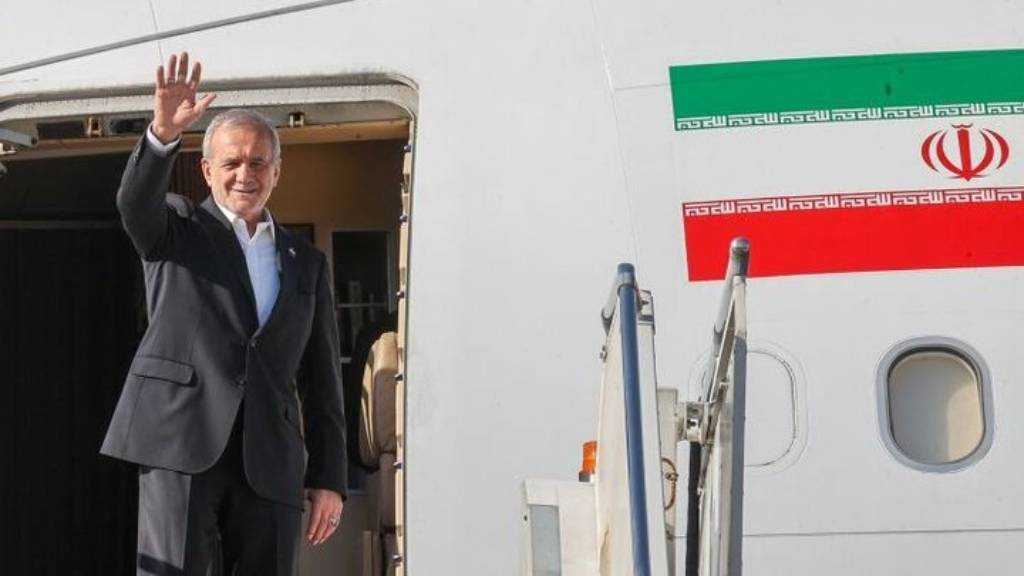
Pezeshkian Urges Trust, Sovereignty at SCO Summit
By Staff, Agencies
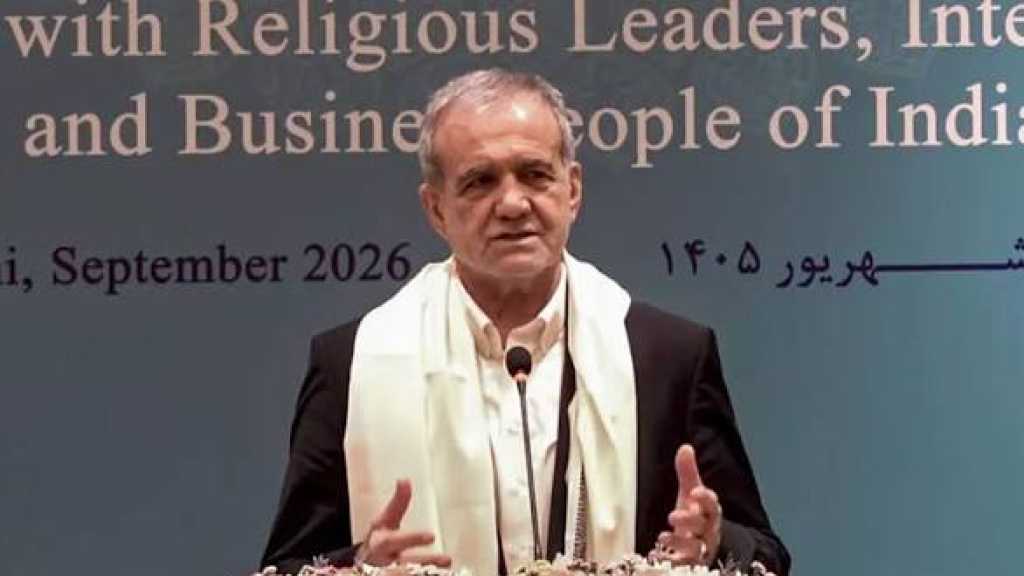
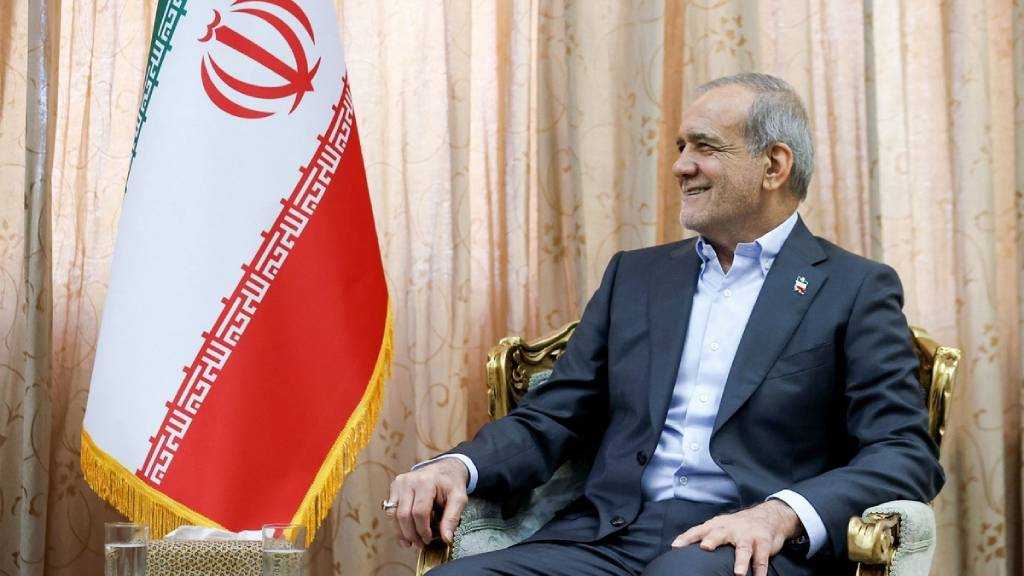
Iranian President Masoud Pezeshkian called for sustainable security based on mutual trust, respect for national sovereignty, and non-interference as Shanghai Cooperation Organization [SCO] leaders met in Bishkek, Kyrgyzstan, on Tuesday.
Pezeshkian said Iran had “forced the United States and the 'Israeli' entity to cease the aggression and end the 40-day war,” adding that Washington’s breach of its commitments had been met with a “proportionate Iranian response.”
He stressed that Tehran favors a balanced and peaceful approach to regional and international disputes.
On renewed understandings, Pezeshkian said Iran would reciprocate if Washington returned to its commitments under the memorandum.
He also called for a broader SCO role in addressing security and economic challenges, proposing an SCO bank, an export and investment insurance union, and an energy alliance.
Meanwhile, Pezeshkian held separate talks with Indian Prime Minister Narendra Modi and Pakistani Prime Minister Shehbaz Sharif on the sidelines of the two-day summit.
Chinese President Xi Jinping urged SCO members to strengthen coordination against traditional and non-traditional security threats, oppose external interference, and deepen cooperation in information, biological, and space security.
Russian President Vladimir Putin similarly highlighted the SCO’s role in promoting peace, stability, trust, and sustainable development across Eurasia, while calling for stronger commercial and energy ties among member states.
He backed an independent SCO Development Bank and said national currencies now account for more than 98% of Russia’s transactions with SCO members, with bilateral trade exceeding $400 billion in 2025.
Other leaders, including Belarusian President Alexander Lukashenko and Kyrgyz President Sadyr Japarov, also stressed the organization’s growing role in regional stability and cooperation.
The SCO comprises Belarus, China, India, Iran, Russia, Kazakhstan, Kyrgyzstan, Uzbekistan, Pakistan, and Tajikistan, with Turkey, Saudi Arabia, and Qatar among its dialogue partners.
The organization has gained greater prominence as Beijing and Moscow push for deeper cooperation, while its founding declaration maintains that it is “not an alliance directed against other countries.”
Comments
- Related News