- Home
- ISLAMIC RESISTANCE
- SECRETARY-GENERAL
-
Full Speeches
- Speeches-2000
- Speeches-2006
- Speeches-2007
- Speeches-2008
- Speeches-2009
- Speeches-2010
- Speeches-2011
- Speeches-2012
- Speeches-2013
- Speeches-2014
- Speeches-2015
- Speeches-2016
- Speeches-2017
- Speeches-2018
- Speeches-2019
- Speeches-2020
- Speeches-2021
- Speeches-2022
- Speeches-2023
- Speeches-2024
- Speeches-2025
- Speeches-2026
- Speech-Reports
- SG
-
Full Speeches
- Voices
- Ten Day Dawn
- The Biggest Crime
- Martyr Leaders

Foreign Affairs Warns US Is Unprepared for Wars of Attrition
By Staff, Agencies
The United States remains organized around the expectation that it will not have to fight prolonged wars of attrition, even as adversaries increasingly seek to extend conflicts, impose costs, and exhaust American political will, Foreign Affairs reported.
In an op-ed by Nadia Shadlow, the publication argued that attrition has become a defining feature of contemporary warfare, creating a strategic challenge for Washington, whose military planning has traditionally emphasized short and decisive operations.
According to the report, US adversaries have the means and incentives to deny Washington such conflicts by prolonging wars, regenerating military capacity, imposing economic and military costs, and waiting for political support in the United States to weaken.
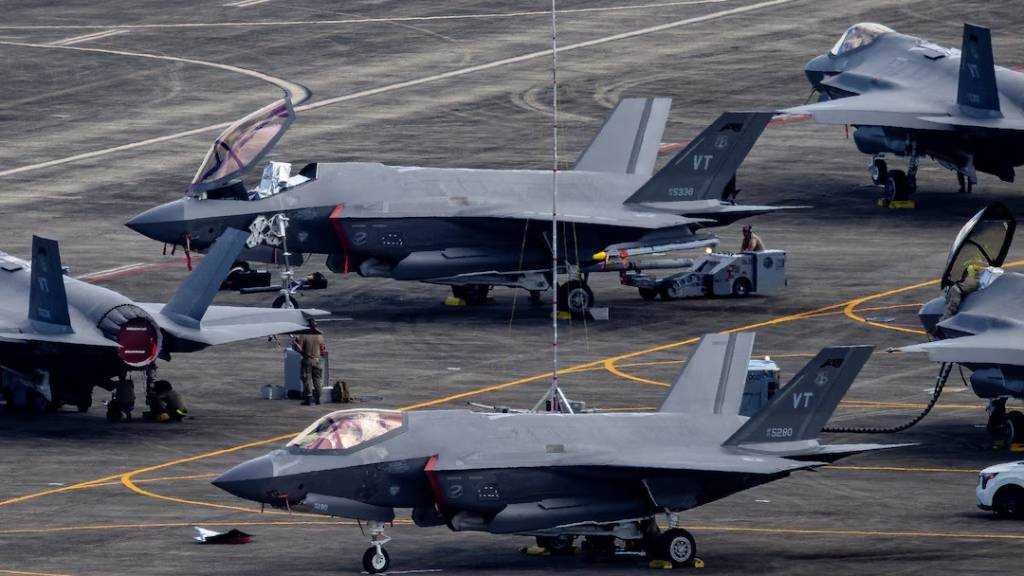
Foreign Affairs said the US military relies heavily on relatively small numbers of sophisticated and expensive weapons systems, while its industrial base cannot rapidly replace many of them. It also argued that US strategies too often leave the political conditions necessary for achieving victory unresolved.
The wars in Ukraine and West Asia have exposed three major gaps, according to the publication: the difference between military capabilities possessed on paper and those that can actually be deployed and sustained, the gap between traditional concepts of warfare and modern battlefields where technology makes breakthroughs more difficult, and the gap between military means and political objectives.
In Iran, the report argued that the United States degraded Iranian military capabilities and destroyed deeply buried nuclear facilities but failed to resolve the political issues underlying the conflict.
It suggested that an unresolved stalemate could test Washington’s willingness to maintain pressure as energy prices and other economic costs rise.
The publication also noted that economic and military power does not automatically translate into an advantage in a war of attrition.
GDP cannot fire artillery or intercept missiles, while defense industries designed around peacetime production may struggle to replace ammunition and equipment rapidly.
Foreign Affairs further argued that drones and modern surveillance make large concentrations of forces and logistics increasingly vulnerable, complicating large-scale military maneuvers and decisive breakthroughs.
The report concluded that the military means being deployed in current conflicts are not necessarily producing their intended political outcomes, leaving the United States and its allies without clear pathways to ending wars.
It also said growing international and public pressure on "Israel" and its deepening isolation were complicating discussions over postwar arrangements in Gaza.
Comments
- Related News