‘Iran Will Not Collapse’: CBI Chief Says Tehran Has Defeated Washington’s Economic War
By Staff, Agencies
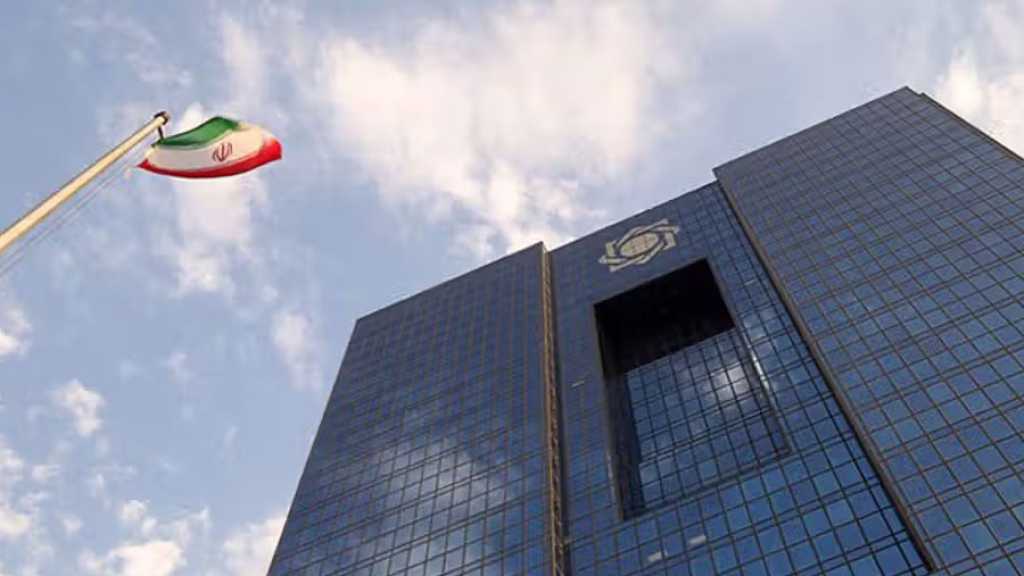
Central Bank of Iran [CBI] Governor Abdolnaser Hemmati has rejected predictions of an imminent economic collapse, declaring that Iran’s economy has withstood sustained US pressure and that Washington has failed to achieve its central objective of triggering catastrophic inflation.
Speaking in a televised interview, Hemmati acknowledged the economic hardships facing ordinary Iranians but maintained that Tehran has successfully contained the most serious consequences of the US economic campaign and prevented the kind of hyperinflation that American officials had anticipated.
“I am not talking about low inflation; I am talking about the fact that heavy, catastrophic inflation was supposed to happen, and this was one of America's primary goals—a goal that Trump and his Treasury Secretary repeat every day,” Hemmati stated. “Fortunately, this did not happen, and the Central Bank has a plan and is actively pursuing liquidity control.”
Hemmati said the disparity between Washington’s forecasts and the situation on the ground demonstrates the resilience of the Iranian economy.
“They planned to bring Iran to economic collapse within two weeks, claim victory, and leave. Now, nine months have passed,” he noted, referring to the ongoing US-Israeli military and economic aggression that began earlier this year.
“Now they come and say that in another two weeks, Iran will collapse economically. Ten days have passed since that claim, and we are on the front lines of the economic war. We will give them the exact same answer: the result they want is the result they will get themselves.”
The CBI governor also addressed recent turbulence in Iran’s foreign-exchange market, arguing that Washington is attempting to use psychological operations alongside sanctions to create panic and undermine confidence in the Iranian economy.
According to Hemmati, repeated US threats, sanctions announcements and coordinated messaging on social media contribute to rising inflation expectations, encouraging people to seek assets they believe will protect their savings against possible currency depreciation.
“When inflation expectations rise, it is natural that people turn to assets that can hedge against potential currency devaluation,” Hemmati explained. “This drove up demand in the market. However, as I have stated before, we have a 'reaction function' designed by the Central Bank. The moment this happened, we immediately entered the market to manage the currency and counter these manufactured shocks.”
Hemmati insisted that Tehran retains the financial and foreign-exchange instruments necessary to confront the pressure and stabilize the market.
He compared Washington’s economic claims about Iran’s depleted resources to previous assertions concerning Iran’s military capabilities.
“Just as they claimed 90 percent of their missiles were depleted, only to see a continuous stream of missiles, they constantly claim our currency and revenues are finished, but they see that nothing has happened.”
The remarks come amid what the report describes as an intensification of the US campaign known as “Operation Economic Outcast,” led by the US Treasury Department and aimed at cutting off financial channels that Washington considers critical to Iran.
After failing to secure its stated military objectives, the United States has increasingly relied on economic warfare, including pressure on Iranian oil exports, financial sanctions and measures targeting military procurement networks and alleged financial facilitators.
US officials, including Treasury Secretary Scott Bessent and Secretary of State Marco Rubio, have continued to argue that Iran is approaching an economic “cataclysm” and have expressed confidence that mounting pressure could force Tehran to capitulate before the November US midterm elections.
Iranian officials, however, have rejected such predictions as psychological warfare and propaganda, portraying the continued functioning of the Iranian economy despite extensive sanctions as evidence that Washington’s strategy of economic coercion has failed to break the Islamic Republic.
For Tehran, Hemmati’s message is therefore one of continued economic resistance: pressure remains severe, but the collapse repeatedly predicted by Washington has not materialized.
Comments