- Home
- ISLAMIC RESISTANCE
- SECRETARY-GENERAL
-
Full Speeches
- Speeches-2000
- Speeches-2006
- Speeches-2007
- Speeches-2008
- Speeches-2009
- Speeches-2010
- Speeches-2011
- Speeches-2012
- Speeches-2013
- Speeches-2014
- Speeches-2015
- Speeches-2016
- Speeches-2017
- Speeches-2018
- Speeches-2019
- Speeches-2020
- Speeches-2021
- Speeches-2022
- Speeches-2023
- Speeches-2024
- Speeches-2025
- Speeches-2026
- Speech-Reports
- SG
-
Full Speeches
- Voices
- Ten Day Dawn
- The Biggest Crime
- Martyr Leaders

Rezaei Warns Washington: Iran Will Resist Economic Pressure and Keep Hormuz Closed
By Staff, Agencies
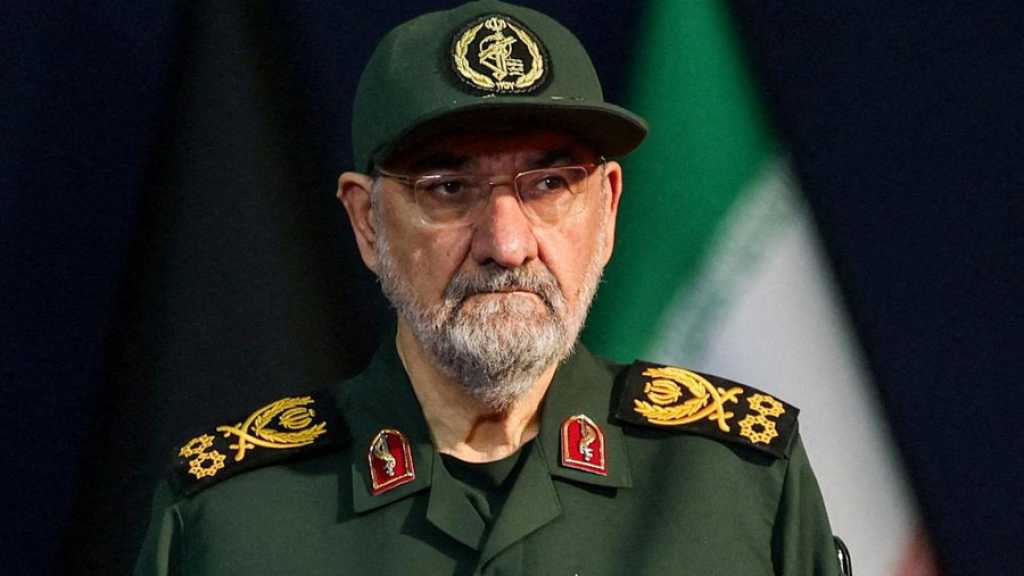
Iranian Supreme National Security Council Secretary Major General Mohsen Rezaei has warned that Washington’s campaign of economic pressure against Tehran will not force Iran to concede, declaring that the United States will face failure in its economic campaign just as, in his characterization, it failed to achieve its objectives militarily.
“You lost the military war. You will fail in the economic war, too,” Rezaei wrote in an English-language post on X directed at Washington.
“Hormuz will not be opened by threats or pressure. Iran will not back down.”
Rezaei issued the warning one day after US Treasury Secretary Scott Bessent argued that Washington’s pressure campaign was producing results and placing increasing strain on the Iranian economy.
Rejecting Bessent’s projections, Rezaei questioned the credibility of the US Treasury secretary’s economic assessments and predicted that his latest claims would quickly lose their impact.
“Bessent’s delusional forecasts never had any credibility in the first place. His latest propaganda will have an equally short shelf life,” he wrote.
Rezaei accompanied the statement with a screenshot of a Bloomberg Businessweek article titled “Scott Bessent’s Rosy Forecasts Are Putting His Credibility at Risk.”
The article’s accompanying description said Bessent could face credibility problems as a result of his predictions concerning gasoline prices, the US housing market and the broader economy.
Bessent, in a post on Monday, pointed to the Iranian rial’s decline to record levels and claimed that Iran had loaded no crude oil onto tankers during September. He also cited comments from an Iranian security official acknowledging the country’s severe economic difficulties as evidence that Washington’s so-called “Operation Economic Outcast” was achieving its intended effects.
In an interview with The Axios Show published October 3, Bessent predicted that Iran would have “no oil on the water this week,” adding, “They will have no revenues.”
The Treasury secretary described military strikes, maritime pressure and economic isolation as successive components of Washington’s strategy for confronting Tehran.
Washington has simultaneously expanded its sanctions campaign. On October 1, the US Treasury Department announced additional measures targeting Iranian automotive, railway, manufacturing and steel networks, as well as foreign entities accused of supporting those sectors.
Bessent said the new measures were intended to help Washington and its partners “drain the regime’s revenue once and for all.”
The pressure campaign was further expanded Monday when the Treasury’s Office of Foreign Assets Control warned foreign financial institutions that continued dealings with Iran or its financial sector could expose them to US sanctions.
Rezaei’s response underscores Tehran’s stated position that economic pressure will not force Iran to surrender control over the Strait of Hormuz. His remarks also frame the confrontation as a broader contest in which Iran intends to withstand sanctions, preserve its strategic leverage and resist what it describes as Washington’s campaign to force political concessions.
Comments
- Related News