- Home
- ISLAMIC RESISTANCE
- SECRETARY-GENERAL
-
Full Speeches
- Speeches-2000
- Speeches-2006
- Speeches-2007
- Speeches-2008
- Speeches-2009
- Speeches-2010
- Speeches-2011
- Speeches-2012
- Speeches-2013
- Speeches-2014
- Speeches-2015
- Speeches-2016
- Speeches-2017
- Speeches-2018
- Speeches-2019
- Speeches-2020
- Speeches-2021
- Speeches-2022
- Speeches-2023
- Speeches-2024
- Speeches-2025
- Speeches-2026
- Speech-Reports
- SG
-
Full Speeches
- Voices
- Ten Day Dawn
- The Biggest Crime
- Martyr Leaders

Hormuz Ship Traffic Falls to Lowest Level in More Than Two Months
By Staff, Agencies
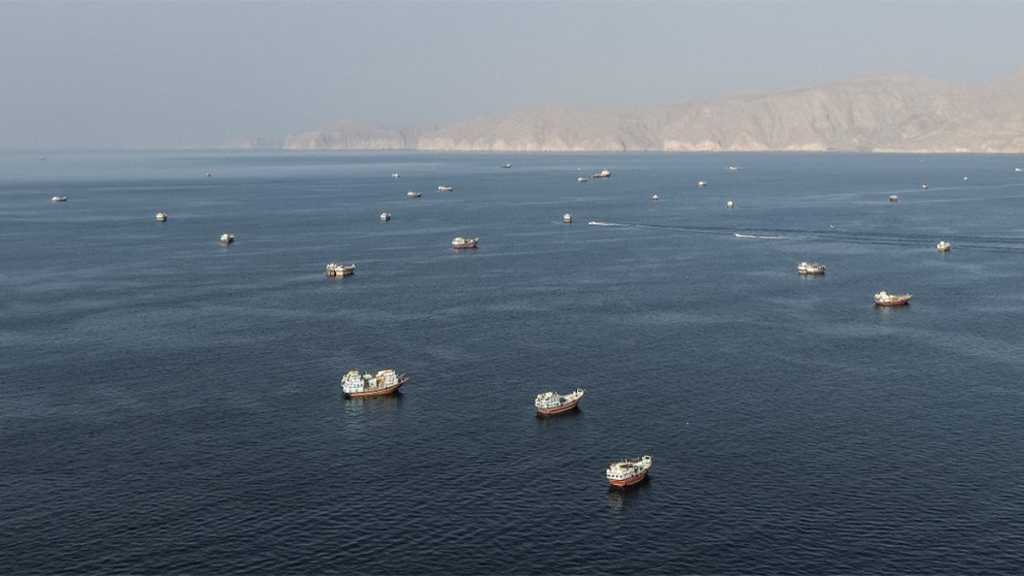
The number of ships transiting the Strait of Hormuz has fallen to its lowest level in more than two months, according to shipping data from analytics firm Kpler, amid continued tensions between Iran and the United States.
Kpler reported that only seven commodity vessels passed through the strategic waterway on Tuesday, the lowest daily figure recorded since July 23.
The number increased to 10 on Wednesday, but remained well below the more than 20 vessels recorded on Sunday and Monday.
Kpler analysts Emmanuel Belostrino and Yui Torikata said crude oil shipments through the Strait fell 27% from the previous week’s wartime high to at least 10.1 million barrels per day. They said the figure had returned to its September average but remained at 74% of its pre-war level.
Before the conflict began, around 125 large commercial vessels reportedly transited the Strait each day. Iran restricted passage through the waterway following the US-"Israeli" military aggression that began on February 28.
According to the supplied report, Tehran and Washington signed a Pakistan-brokered memorandum of understanding on June 17, with Article 5 assigning responsibility for reopening and managing the Strait to Iran.
The report says subsequent US military actions and a naval blockade prompted Tehran to declare the waterway closed to all traffic.
US President Donald Trump has repeatedly claimed that the Strait remains open and that crude oil is moving through it. However, Ali Mohammadi, deputy for political affairs of the Islamic Revolution Guards Corps Navy, rejected those claims as false.
“The Americans claim they are getting oil and ships through the Strait of Hormuz. But if that’s really the case, why aren’t oil markets responding accordingly?” Mohammadi said, arguing that market movements reflect the actual situation.
He also said no vessel could operate in the Persian Gulf, the Strait of Hormuz or the Sea of Oman without being detected by IRGC forces. Mohammadi warned that Washington must choose between respecting Iran’s interests and accepting the consequences of maintaining a military presence in the region.
Comments
- Related News