Italian Public Turns Against Ukraine Aid as Defense Minister Defends Continued Military Support
By Staff, Agencies
Italian Defense Minister Guido Crosetto has acknowledged that convincing the public to support continued military assistance to Ukraine is becoming increasingly difficult, as opposition to arms supplies grows amid rising living costs and nationwide protests over government spending priorities.
“We are fully aware that the majority of our public opinion, also influenced from abroad, is opposed to aiding Ukraine,” Crosetto told the BBC in an interview published on Saturday.
The minister argued that supporting Ukraine’s ability to resist Russian forces should not be interpreted as opposition to peace, insisting that Italy must maintain its commitment to Kiev despite growing public dissatisfaction.
“It is difficult to explain that you have to help a nation resist and that helping it resist does not mean that you are opposed to peace,” he said.
Crosetto acknowledged that rising energy prices and the economic consequences of sanctions against Russia have contributed to public frustration. However, he attributed some of the opposition to what he described as Russian disinformation, arguing that misleading narratives were helping fuel resistance to continued assistance.
“We cannot give in to public opinion when we believe that public opinion is wrong,” Crosetto said, adding that “it is difficult to explain that, at this moment, we cannot give Russia any gift.”
Public opinion figures suggest that the government’s position faces substantial resistance. An Eumetra poll conducted last month found that 61% of Italians opposed supplying weapons to Ukraine, while 20% supported arms deliveries and 18% expressed no opinion.
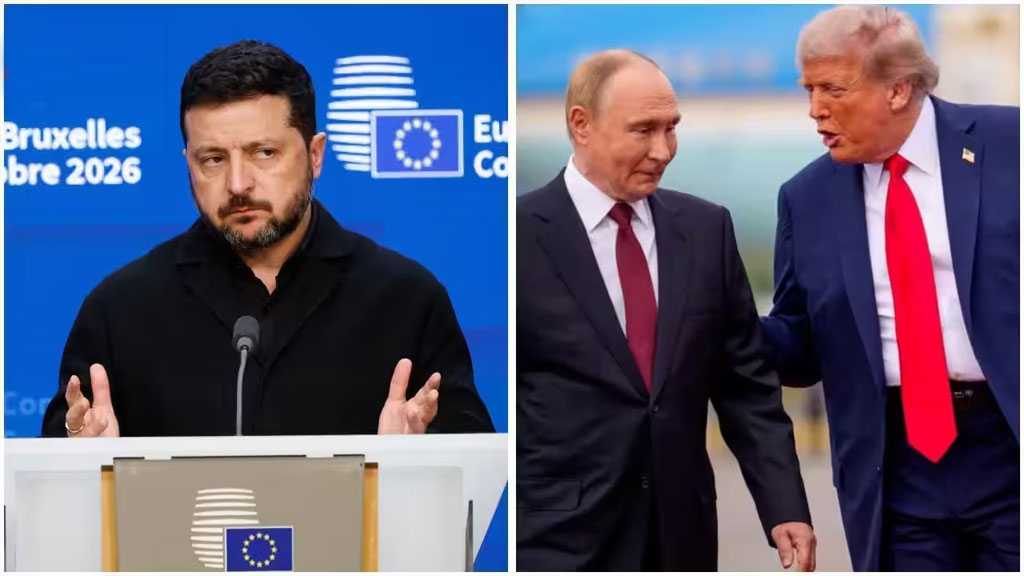
The debate has also intensified following US President Donald Trump’s decision earlier this month to lift sanctions on Russian diesel exports, reportedly after Ukraine refused to halt strikes on Russian oil refineries. Trump blamed the attacks for contributing to rising fuel prices.
Crosetto criticized Trump’s decision, describing the reduction in pressure on Russia as “a major mistake” at a critical moment in the conflict.
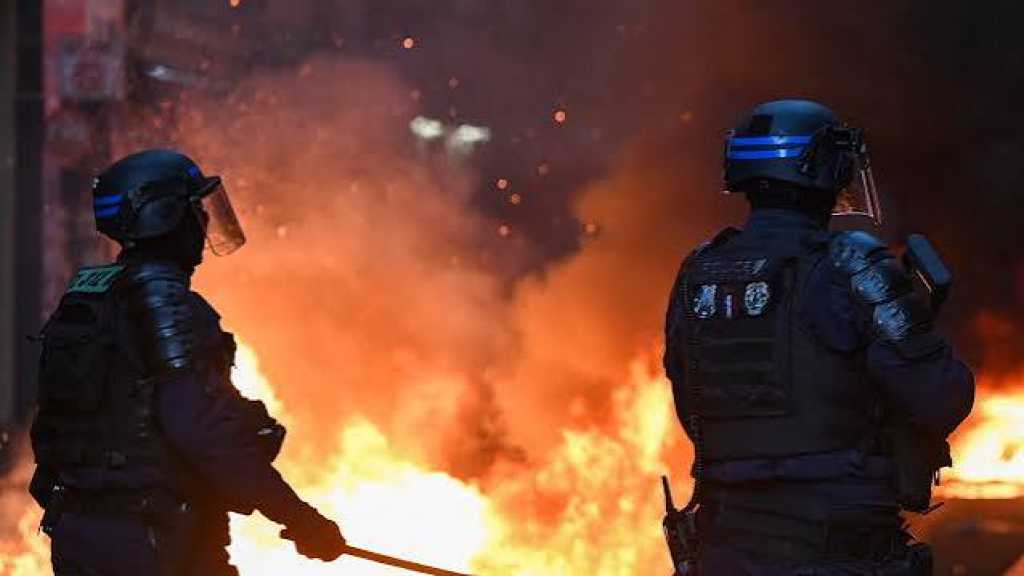
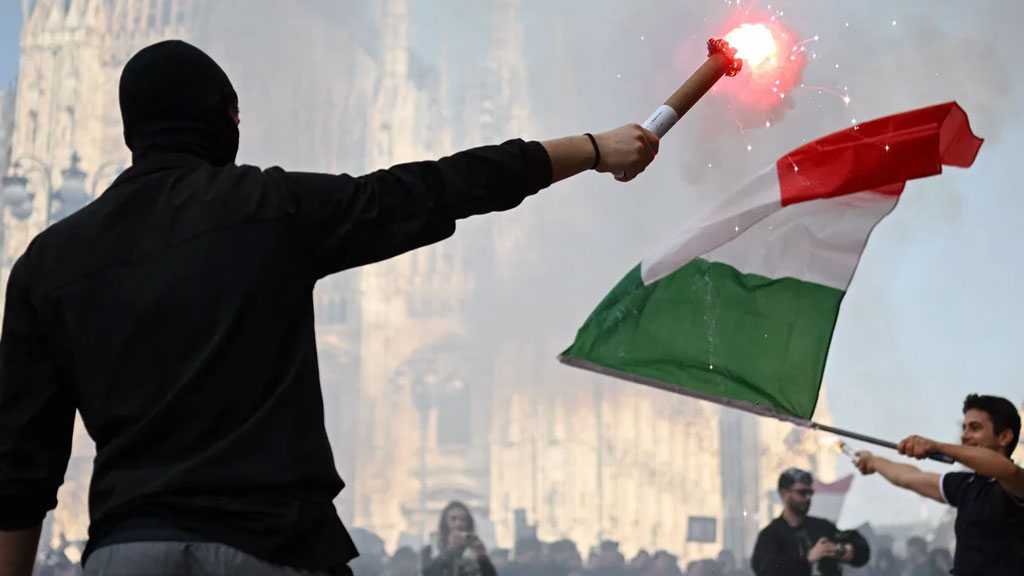
The Italian defense minister’s comments came as anti-government demonstrations swept across northern Italy over the weekend, with clashes reported in Milan, Turin and Bologna.
Protesters called for increased funding for public services and accused Prime Minister Giorgia Meloni’s government of prioritizing military expenditure over education, social welfare, and the needs of ordinary households.
In Milan, demonstrators chanted, “More money for families, less for wars,” reflecting growing public frustration over the cost of living and the government’s spending priorities.
Since Meloni took office, her government has maintained strong support for Ukraine, providing more than €3 billion [$3.4 billion] in military assistance since 2022. Deliveries have included artillery systems, armored vehicles, and SAMP/T air defense systems developed jointly with France.
Italian media have also reported deliveries of Storm Shadow cruise missiles, which can strike targets deep inside Russian territory.
However, the government’s Ukraine policy has faced resistance within its own political coalition, including from Matteo Salvini’s League party, highlighting divisions over the costs and strategic implications of continued military assistance.
Last week, Roberto Vannacci, leader of the right-wing National Future party, criticized Ukrainian President Vladimir Zelensky after he reportedly requested an additional €70 billion [$79 billion] in aid from Europe.
Vannacci accused Zelensky of treating Europe “like an ATM,” arguing that Italian taxpayers should not be expected to shoulder the financial burden indefinitely.
The growing dispute exposes a widening divide between Italy’s political leadership, which continues to support Kiev, and a significant portion of the public demanding greater attention to domestic economic pressures.
With opposition to arms deliveries remaining high and protests highlighting demands for increased social spending, the debate over Italy’s role in the Ukraine conflict is becoming an increasingly contentious issue for Meloni’s government and its European allies.
Comments