Iran: 2-Day Proposal Most Logical Roadmap for Hormuz Security
By Staff, Agencies
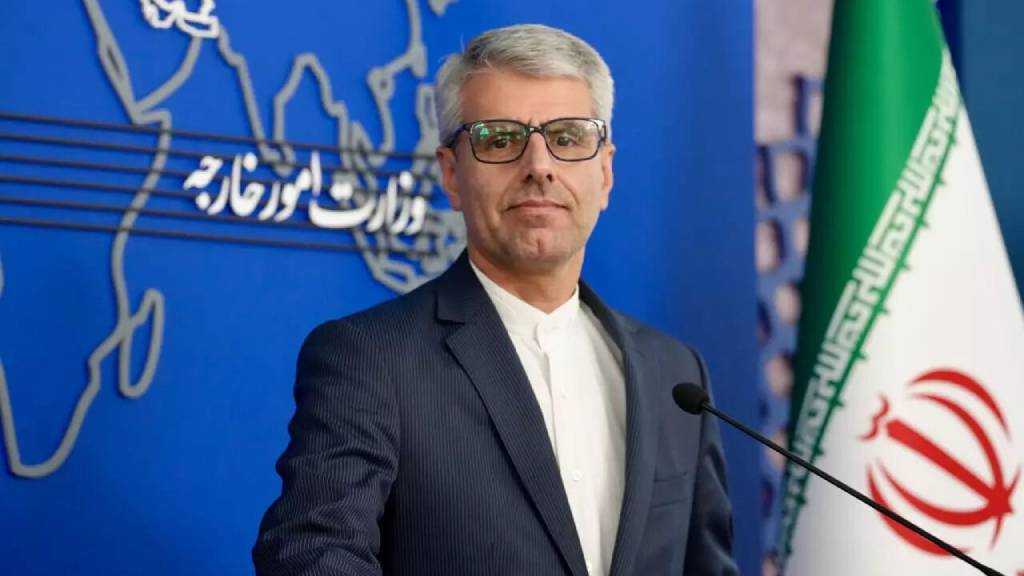
The Iranian Foreign Ministry’s spokesperson Esmail Baqaei stressed that Tehran’s two-day proposal is the most logical roadmap for restoring security in the Strait of Hormuz, saying the waterway will remain insecure as long as the US continues its hostile actions against Iran.
Speaking at a weekly press conference, Baqaei further stated that Iran is both capturing enemy drones intact and shooting them down, describing such actions as a clear exercise of the country’s right to defend its territory.
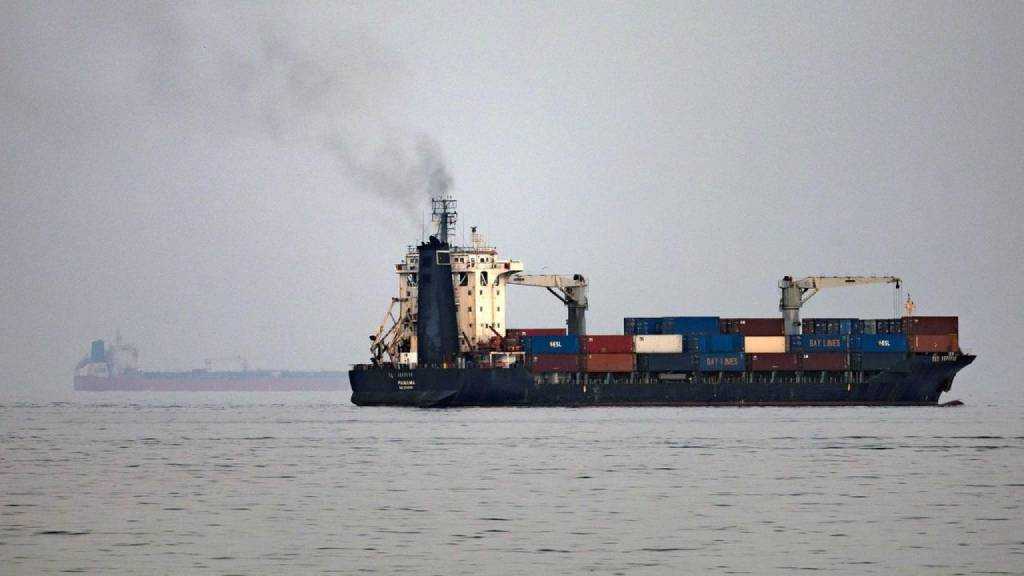
Addressing the situation in the Strait of Hormuz, he said the waterway had remained open until the outbreak of the US- “Israeli” aggression on February 28, and that the insecurity there has resulted from the actions of the “Israeli” entity and the US.
He underlined that vessels seeking to pass through the strait must coordinate with Iran’s competent authorities.
Baqaei detailed that ships attempting to navigate unsafe routes under US pressure have unfortunately encountered incidents, warning that “as long as the US continues its actions, we will not see security return to this waterway.”
On the details of Iran’s two-day proposal, the spokesman said it incorporates all the understandings reached by the US under the Islamabad memorandum of understanding.
He emphasized that Tehran is putting forward a set of demands that no Iranian could relinquish, including the lifting of sanctions imposed on the country.
He said Washington had previously accepted its commitments but subsequently violated them, adding that Iran could not be held responsible for the US failure to honor its obligations.
Baqaei described the two-day proposal as a gesture of goodwill, saying Iran could implement it within that timeframe if the other side demonstrates the necessary political will.
He stressed that Tehran’s demands are clear and have already been included in the Islamabad understandings, adding that Washington must decide how to proceed.
Asked whether the proposal is practically implementable, Baqaei said Iran has already tested an achievable agreement that the other side had accepted, and Tehran has demonstrated its commitment by fulfilling its obligations in good faith.
He stressed that Iran would only accept commitments that serve its national interests.
The spokesman said Iran’s demands are neither unusual nor unreasonable, adding that mediators are making efforts to resolve the situation and that Tehran appreciates their good offices.
Reiterating his position, Baqaei said the two-day proposal remains on the table as a demonstration of Iran’s utmost goodwill. “Can a more logical proposal than Iran’s be found?” he asked, describing Tehran’s plan as the most reasonable option available and one that could restore security to the Gulf. He said the US must make its choice.
The proposal calls for reopening the Strait of Hormuz to commercial shipping within 48 hours of Washington meeting Tehran’s conditions, including lifting its naval blockade of Iranian ports, ending the war on all fronts and unfreezing Iranian assets abroad.
Iran had initially offered to reopen the strategic waterway within a week, but shortened the implementation period to two days in a demonstration of Tehran’s good faith. Both proposals were conveyed through Qatari mediation, with Doha continuing its diplomatic efforts to resolve the regional conflict.