- Home
- ISLAMIC RESISTANCE
- SECRETARY-GENERAL
-
Full Speeches
- Speeches-2000
- Speeches-2006
- Speeches-2007
- Speeches-2008
- Speeches-2009
- Speeches-2010
- Speeches-2011
- Speeches-2012
- Speeches-2013
- Speeches-2014
- Speeches-2015
- Speeches-2016
- Speeches-2017
- Speeches-2018
- Speeches-2019
- Speeches-2020
- Speeches-2021
- Speeches-2022
- Speeches-2023
- Speeches-2024
- Speeches-2025
- Speeches-2026
- Speech-Reports
- SG
-
Full Speeches
- Voices
- Ten Day Dawn
- The Biggest Crime
- Martyr Leaders

WMO Warns Powerful El Niño Could Worsen Disease Outbreaks, Extreme Heat Through 2027
By Staff, Agencies
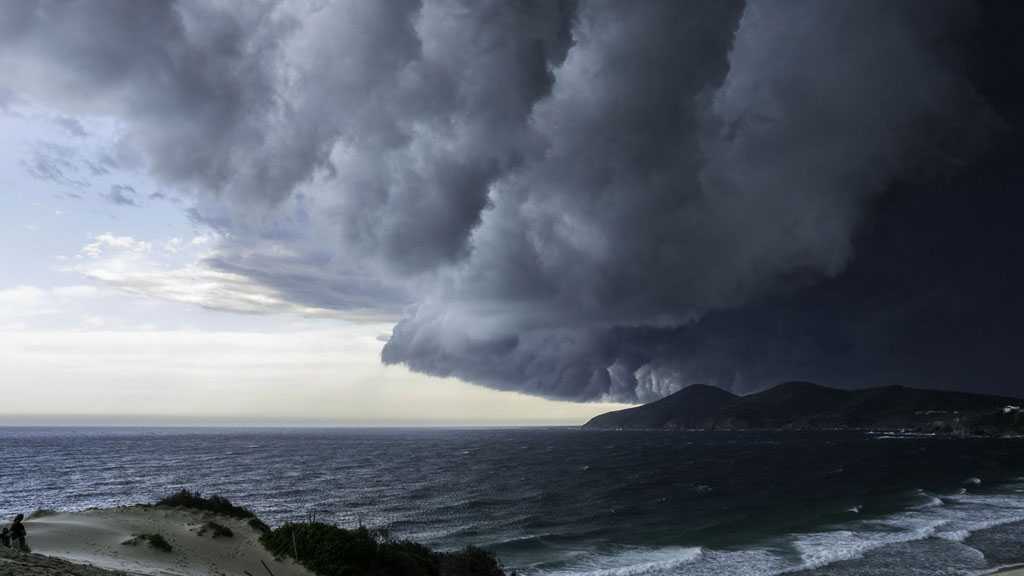
The expected intensification of the El Niño climate phenomenon could aggravate heat-related illnesses, infectious disease outbreaks and air pollution through early 2027, World Meteorological Organization [WMO] Secretary General Celeste Saulo warned on Monday.
Speaking at a COP31 news briefing in Antalya, Turkey, Saulo said rising temperatures could trigger serious public health consequences beyond direct exposure to extreme heat.
She specifically warned of increased risks of dengue and malaria outbreaks, explaining that their spread would depend partly on regional rainfall patterns.
“If we expect a hot and dry season, you will have wildfires. With wildfires, you will have poor air quality,” she said.
Saulo said the WMO was cooperating with the World Health Organization [WHO] to strengthen communication between meteorological forecasts and their potential health consequences.
“We are working with the World Health Organization to translate the messaging from weather patterns to health impacts,” she added.
According to the WMO’s State of the Climate Update 2026, El Niño is expected to become the strongest on record by December and continue into early 2027.
The report found that global temperatures averaged approximately 1.47 degrees Celsius above pre-industrial levels between January and September.
It also noted that El Niño generally has its strongest influence on global temperatures during the year following its development.
“We are supercharging our weather and El Niño will be a risk multiplier,” Saulo said in a statement accompanying the report.
“Heatwaves, tropical cyclones, and rainstorms are intensifying faster than our historical baselines prepared us for,” she warned.
The WMO report warned that intensifying heat, prolonged droughts and heavy rainfall could deepen food insecurity and increase the spread of infectious diseases, including cholera, malaria and dengue.
Preliminary estimates cited in the report indicated that more than 30,000 excess deaths in Europe were associated with heatwaves, drought and wildfires.
Saulo also highlighted preparations underway in South America to reduce the impact of extreme weather, including establishing emergency shelters ahead of potential flooding.
She emphasized the importance of using weather forecasts to guide agricultural activities and help communities prepare for dangerous conditions.
“In some cases, it’s about preparing shelters in advance to make sure that if there are floods, they have places for people,” she said.
The report also highlighted progress in the development of early warning systems designed to protect populations from climate-related disasters.
According to the WMO, the number of countries reporting multi-hazard early warning systems increased from 56 in 2015 to 136 in 2025.
The organization stressed that strengthening forecasting capabilities, improving international cooperation and preparing vulnerable communities will be essential to reducing the human and economic consequences of increasingly severe climate extremes.
Comments
- Related News