Rezaei to US: Accept Iran’s Seven Conditions to End War
By Staff, Agencies
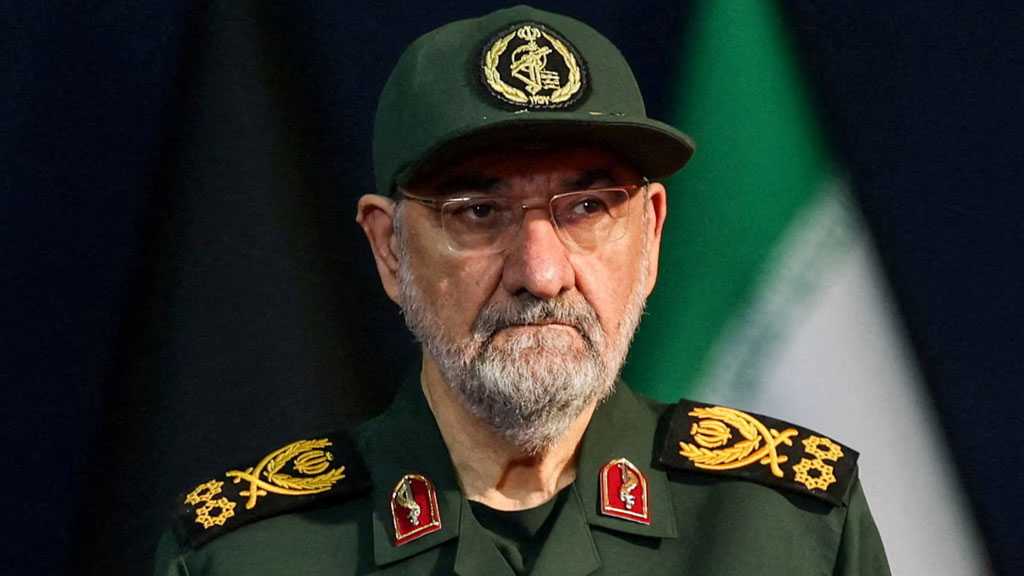
Iran’s Supreme National Security Council Secretary, Major General Mohsen Rezaei, has called on the United States to accept Iran’s seven conditions for ending the war, while rejecting what he described as fabricated reports about negotiations.
In a statement published on social media Monday, Rezaei said the war Washington launched against the Islamic Republic had already dealt a serious blow to the US administration, accusing the White House of continuing to pursue an approach that ignores the changing realities in West Asia.
The senior Iranian official urged Washington to stop spreading fake news about imaginary negotiations, acknowledge the emergence of a new regional order, and accept Tehran’s conditions for ending hostilities and reopening the Strait of Hormuz.
“The war on Iran has already wrecked the US government. But Washington flails like a desperate gambler. FOLD YOUR HAND. STOP manufacturing FAKE NEWS about imaginary talks. Stop denying the West Asian NEW ORDER. Time to SURRENDER to the seven conditions Iran has repeatedly set
The seven conditions, conveyed to Washington through Qatar and other regional mediators in September, include:
- Ending hostilities on all fronts, including the US-“Israeli” aggression against resistance movements in Lebanon, Gaza and Yemen.
- Releasing Iran's frozen financial assets.
- Completely lifting the naval blockade against Iran.
- Removing economic and political sanctions.
- Withdrawing US naval and air forces from the region.
- Paying reparations for war damages.
- Ending threats and hostile rhetoric against the Islamic Republic.
Iranian officials have stressed that each condition includes additional requirements and that their implementation must precede any agreement to reopen the strategic waterway or resume negotiations.
Iran has maintained that it will not return to previous diplomatic frameworks that it considers unsuccessful, pointing to earlier negotiations, including the Islamabad understanding, which Tehran says were undermined by Washington’s withdrawal from agreements and subsequent military attacks.
Rezaei previously stated that the United States had responded to Iran’s seven conditions, but that its position contained unresolved ambiguities and remained insufficient to meet Tehran’s demands.
Until those issues are addressed, Iran maintains that the Strait of Hormuz will remain under its control, with arrangements coordinated with Oman to safeguard regional security and Iranian interests.
Rezaei’s latest remarks come amid the wider confrontation that began with the US-“Israeli” military campaign against Iran in late February.
Iranian officials have maintained that the country’s military response demonstrated its defensive capabilities and reinforced its position in the region.
The broader resistance front, including Yemen’s Ansarullah movement and Palestinian resistance groups, also remains central to Tehran’s regional political and security calculations.
Rezaei has repeatedly stressed that the terms for ending the conflict must be determined through recognition of Iran’s rights and security interests rather than imposed by Washington.
He reiterated that Tehran remains prepared to respond to further developments while maintaining that a diplomatic settlement is possible if its conditions are addressed.
Iran’s position reflects its continued demand for an end to foreign military intervention in West Asia, the establishment of regional security arrangements and recognition of the sovereignty and interests of countries across the region.