- Home
- ISLAMIC RESISTANCE
- SECRETARY-GENERAL
-
Full Speeches
- Speeches-2000
- Speeches-2006
- Speeches-2007
- Speeches-2008
- Speeches-2009
- Speeches-2010
- Speeches-2011
- Speeches-2012
- Speeches-2013
- Speeches-2014
- Speeches-2015
- Speeches-2016
- Speeches-2017
- Speeches-2018
- Speeches-2019
- Speeches-2020
- Speeches-2021
- Speeches-2022
- Speeches-2023
- Speeches-2024
- Speeches-2025
- Speeches-2026
- Speech-Reports
- SG
-
Full Speeches
- Voices
- Ten Day Dawn
- The Biggest Crime
- Martyr Leaders

’Israel’s’ Biggest Land Grab Yet: Sebastia, Burqa at Risk
By Staff, Agencies
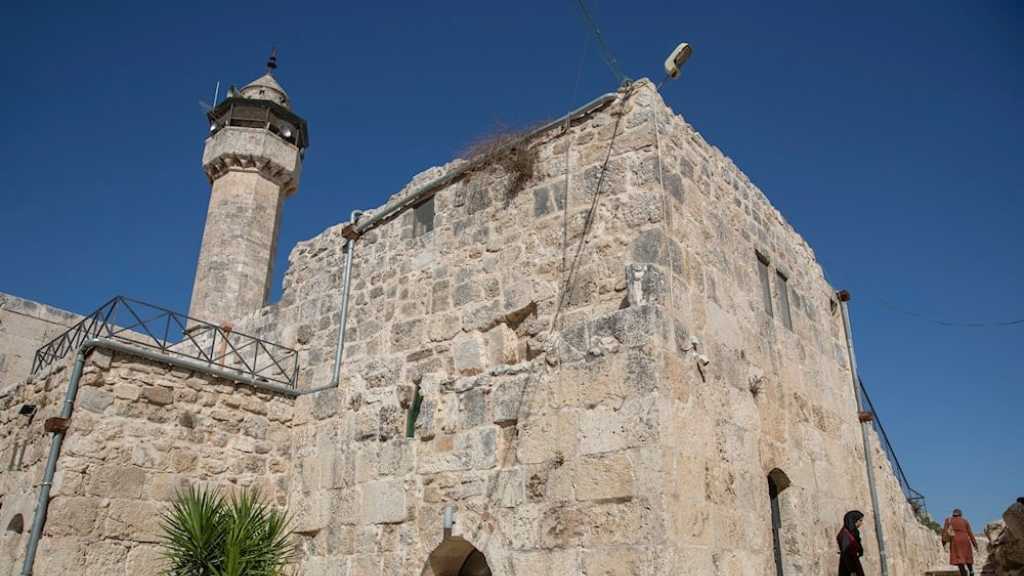
"Israel", via its so-called Civil Administration, has unveiled plans to seize around 1,800 dunams of land at the Sebastia archaeological site, the largest land grab targeting antiquities in history.
This move threatens nearby village homes, borders Area B, and will impact thousands of dunams of privately-owned olive groves.
In a public notice, the authority stated that it intends to seize the Sebastia archaeological site for development and to make it accessible for public visits, a move that is highly unusual due to both the site’s location and the fact that it is being executed under an administrative order for antiquities.
The plan would involve the seizure of nearly 1,800 dunams of land belonging to the Palestinian villages of Burqa and Sebastia, encompassing thousands of olive trees.
The land is privately owned and registered in the land registry under Palestinian ownership. Residents and landowners have been given 14 days to submit objections in an effort to block the order from taking effect.
Since 1967, "Israel" has seized Palestinian land in the West Bank for antiquities development, including: 2 dunams in Areeha [1982], 286 dunams in Susya [1985], 24 dunams at Deir Qal’a and Deir Samaan [2020], 139 dunams at Archelais [2023], and now 1,800 dunams at Sebastia. These actions continue to displace Palestinians and restrict their access to their own land.
In the cases of Deir Qal’a and Deir Samaan, the sites now fall within the boundaries of the settlements of "Alei Zahav" and "Peduel", leaving Palestinians without any access to them.
In all cases, the land grabs were officially justified as serving a public purpose, but in practice, they resulted in the exclusion of Palestinians from the sites.
The Sebastia case is particularly unusual because the plan targets an archaeological site that has historically served as an economic, cultural, and tourism hub for residents of Sebastia and the surrounding area, which has remained accessible to the public, according to Peace Now.
Shops, restaurants, and local guesthouses operate around the site, and many people in Sebastia rely on tourism for their income, working as guides or hosting visitors.
The archaeological area is located within the village itself, close to residents’ homes. The planned land theft affects the western section of the site, which has fewer houses and is mainly bordered by olive groves.
The scope of the land seizure is exceptionally large, with authorities approving the seizure of 1,800 dunams to develop the site, while until now the largest land grab for antiquities was in Susya, involving 286 dunams.
Although most of the Sebastia area slated to be seized has been designated as archaeological land, the portion of the site that visitors currently tour covers only about 60 dunams.
The measures taken by the "Israeli" occupation will exclude Palestinians from their lands, all while making it easier for "Israelis" to occupy the area.
"Israel's" use of tourism for settlement purposes is not new, and in the northern West Bank, in particular, it appears to be used as a guise for wider development plans that include establishing the "Homesh" and "Sa-Nur" settlements.
Comments
- Related News