- Home
- ISLAMIC RESISTANCE
- SECRETARY-GENERAL
-
Full Speeches
- Speeches-2000
- Speeches-2006
- Speeches-2007
- Speeches-2008
- Speeches-2009
- Speeches-2010
- Speeches-2011
- Speeches-2012
- Speeches-2013
- Speeches-2014
- Speeches-2015
- Speeches-2016
- Speeches-2017
- Speeches-2018
- Speeches-2019
- Speeches-2020
- Speeches-2021
- Speeches-2022
- Speeches-2023
- Speeches-2024
- Speeches-2025
- Speeches-2026
- Speech-Reports
- SG
-
Full Speeches
- Voices
- Ten Day Dawn
- The Biggest Crime
- Martyr Leaders

Gaza Miscarriage Rate Triples Amid Ongoing War
By Staff, Agencies
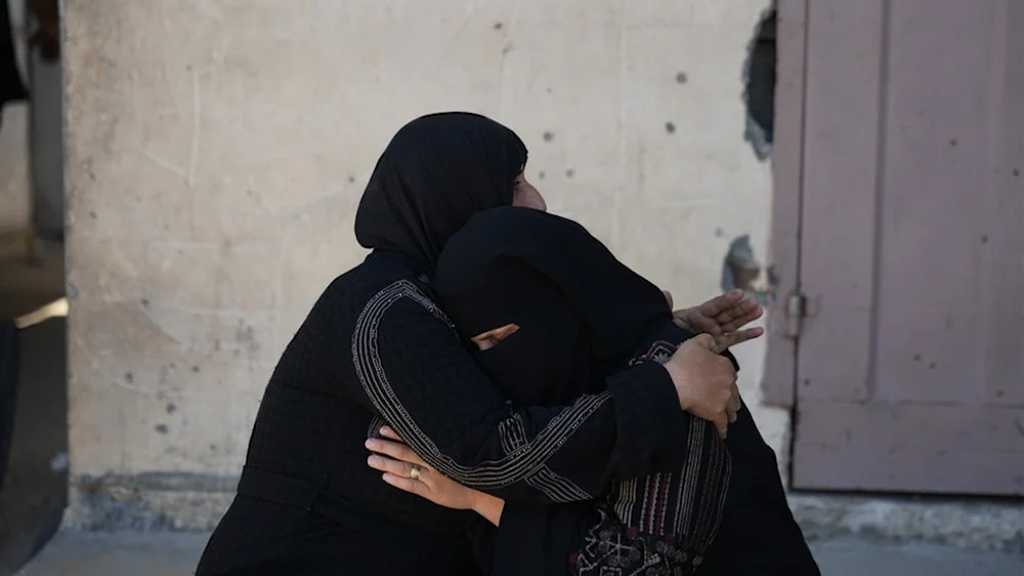
The miscarriage rate in the Gaza Strip more than tripled during the first half of 2026 as pregnant women faced malnutrition, repeated displacement, extreme heat, and the continued collapse of the healthcare system, according to figures released by Gaza's Health Ministry.
The ministry recorded 3,958 miscarriages between January and June, equivalent to 208.5 miscarriages per 1,000 live births. By comparison, the rate stood at 64 miscarriages per 1,000 live births during the second half of 2025, marking a 3.3-fold increase.
April recorded the highest monthly miscarriage rate, with 377.25 cases per 1,000 live births, while June saw the highest number of miscarriages, totaling 790.
The figures highlight the worsening conditions facing pregnant Palestinian women nearly three years into the war on Gaza, with the destruction of medical facilities, shortages of essential medicines, and restrictions on humanitarian aid severely limiting access to maternal healthcare.
According to the ministry, 73.6% of miscarriages recorded during the first half of 2026 occurred before the 13th week of pregnancy, while 26.4% took place between the 13th and 24th weeks.
The ministry also reported that anemia has become widespread among pregnant women, with 57.1% of those registered in 2025 diagnosed with the condition.
For many women living in displacement camps, pregnancy has become increasingly difficult under harsh living conditions.
Seven months pregnant, Hadeel al-Madani told Anadolu that she spends much of her day carrying water, washing clothes by hand, cooking over open fires, and maintaining her family's tent without electricity or running water.
"Our life is difficult. We cannot adapt. Life is tragic and very hard for pregnant women in tents," she said.
Madani added that she fears the impact of the conditions on her unborn child, saying she worries about possible health complications caused by extreme heat and the lack of adequate living conditions.
Another displaced woman, Doaa al-Najjar, said she is approaching childbirth while enduring similar hardships.
"The heat of the tent affects me severely and raises my body temperature," she told Anadolu, adding that she recently sought medical care after developing a high fever out of concern for her pregnancy.
Najjar said she fears for her baby's safety and noted that her family can no longer afford many basic necessities for newborns, including clothing, diapers, milk, and a proper bed.
"I fear for him from mice, rats, insects and the heat of the tent," she said. "He needs a bed that protects him from them."
Comments
- Related News