Petro Questions “Israeli” Military Presence in Colombia, Warns of Occupation
By Staff, Agencies
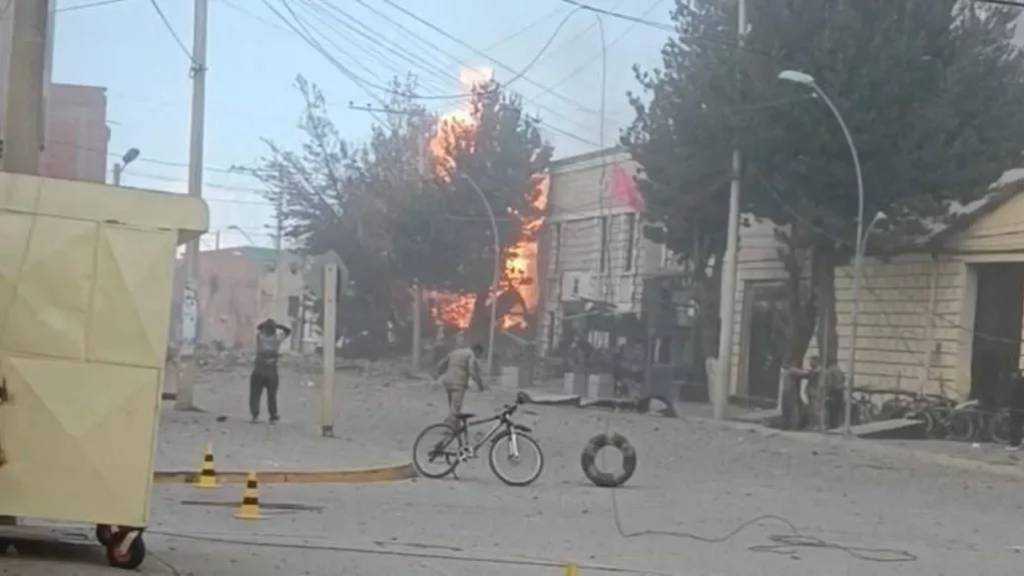
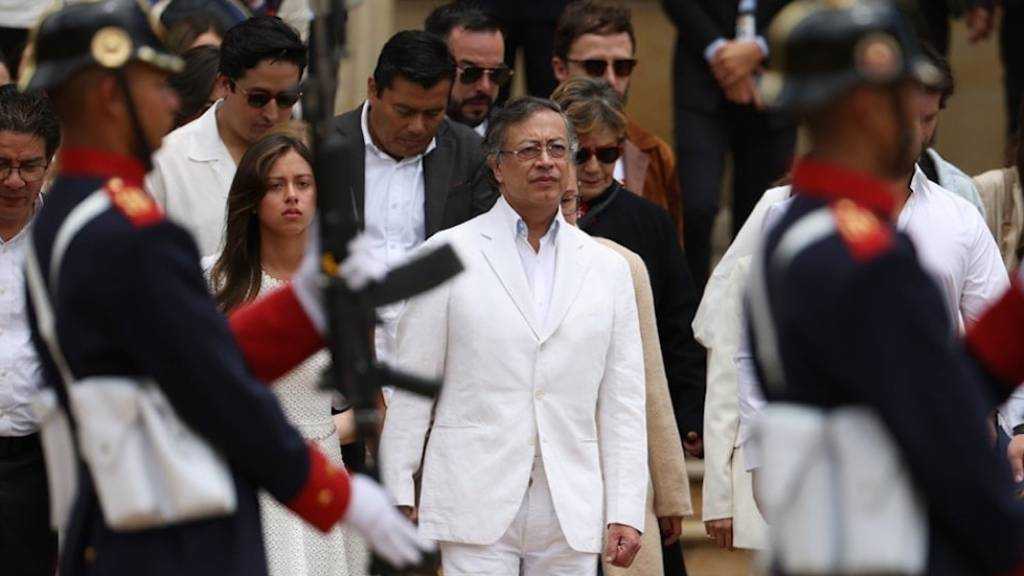
Former Colombian President Gustavo Petro questioned the nature of an “Israeli” search-and-rescue delegation sent to earthquake-hit Colombia, warning that its presence could go beyond humanitarian assistance if personnel arrived carrying weapons rather than medical and rescue equipment.
In a post on X on Saturday, Petro said that if the “Israeli” forces arriving in Colombia were carrying weapons instead of medicines and rescue materials, “then we are faced with a deception.”
He further warned that the presence of armed “Israeli” personnel could amount to a military occupation of Colombian territory, arguing that such entry would require authorization from Colombia’s Senate.
His remarks came in response to a post by the Colombian account HELIODOPTERO concerning the delegation.
The delegation, led by the “Israeli” Occupation Forces [IOF], was dispatched following the earthquake, with “Israeli” authorities describing it as a combined search-and-rescue and humanitarian aid mission. It reportedly departed from "Nevatim" Air Force Base for Colombia following the disaster.
The deployment came shortly after Abelardo de la Espriella succeeded Petro and began reversing Colombia’s foreign policy by moving to restore ties with “Israel” and deepen relations with the United States.
De la Espriella has announced plans to restore diplomatic relations with “Israel,” expand security and intelligence cooperation, and recognize “Israeli” sovereignty over the occupied Syrian Golan Heights.
His administration has also moved toward closer military cooperation with Washington, including allowing US military operations in Colombia.
The shift marks a sharp reversal from Petro’s policy, which placed Palestine and opposition to “Israeli” aggression at the center of Colombia’s international agenda.
Petro has long opposed “Israeli” military and security influence in Colombia. The two sides maintained extensive military ties for decades, with Colombian forces acquiring “Israeli”-made aircraft, rifles, missiles, drones, and intelligence systems that became integrated into the country’s military infrastructure.
Relations deteriorated sharply after Petro intensified his criticism of “Israel’s” war on Gaza. In October 2023, he drew a strong response from “Israeli” officials after comparing its aggression against Gaza with Nazi Germany, after which “Israel” suspended military exports to Colombia.
In May 2024, Petro announced that Colombia would sever diplomatic relations with “Israel,” describing its assault on Gaza as genocide.
His opposition later extended beyond Gaza, with Petro repeatedly warning against foreign military influence and security partnerships serving broader geopolitical interests in Latin America.
In 2025, Bogota hosted an emergency meeting of The Hague Group, where Petro said participating countries would challenge impunity surrounding violations of international law and Palestinian rights.
His government also expelled “Israeli” diplomats in 2025 following the interception of the Global Sumud Flotilla by “Israel.”
Against this backdrop, the arrival of the “Israeli” rescue delegation coincides with a major policy reversal in Colombia. While Petro sought to distance the country from “Israeli” military and security structures, De la Espriella has moved toward restoring those ties while simultaneously strengthening cooperation with Washington.
For Petro, the issue therefore extends beyond humanitarian assistance, raising questions over whether the delegation could facilitate renewed “Israeli” military and security involvement in Colombia as the new government rebuilds relations with "Tel Aviv".