Iran FM Spox: US Violations Have Rendered 60-Day Talks Deadline “Irrelevant”
By Staff, Agencies
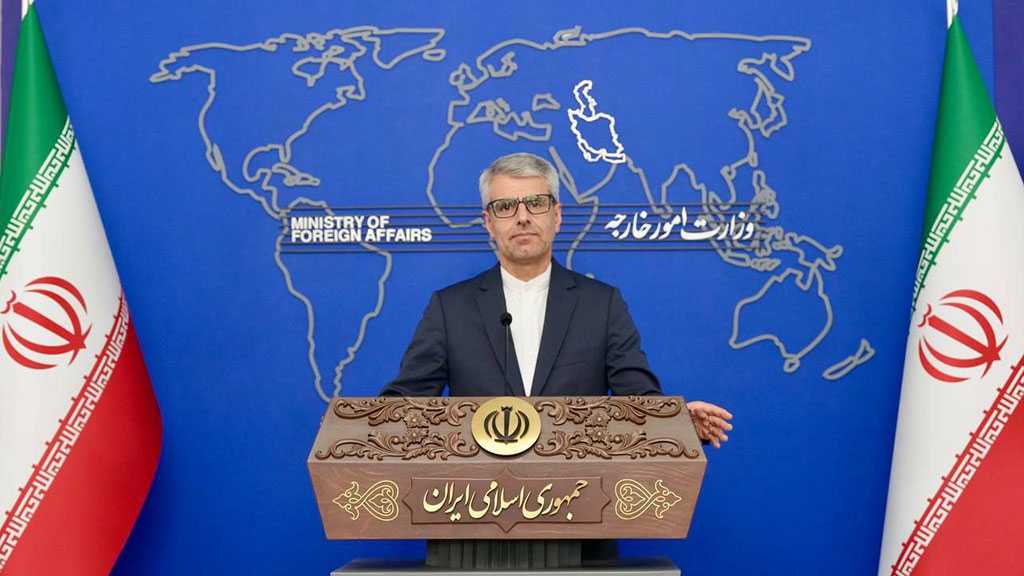
Iranian Foreign Ministry spokesman Esmaeil Baqaei said Monday that the 60-day period envisioned for negotiations with the United States under the June 17 memorandum of understanding has “lost its relevance” following what Tehran describes as repeated and serious US violations of the agreement.
Speaking at his weekly press conference, Baqaei said the memorandum contains no provision establishing a mandatory “60-day deadline” and stressed that Iran does not formulate its policies in response to pressure, ultimatums or imposed timelines.
“There is no provision in the memorandum of understanding referring to a ‘60-day deadline’, and the Islamic Republic of Iran never formulates its policies under pressure, ultimatums or time limits,” Baqaei said.
He explained that the memorandum had envisaged a 60-day period for negotiations concerning two issues — “the lifting of sanctions” and “the nuclear issue” — and that the period could have been extended if the parties failed to reach an agreement.
“Due to the flagrant and widespread violation of the memorandum of understanding by the United States, no dialogue was started just a few weeks after its signing,” he said.
“As a result, the discussion of the 60-day deadline completely lost its relevance,” Baqaei added.
Iran-Oman talks over Strait of Hormuz continue
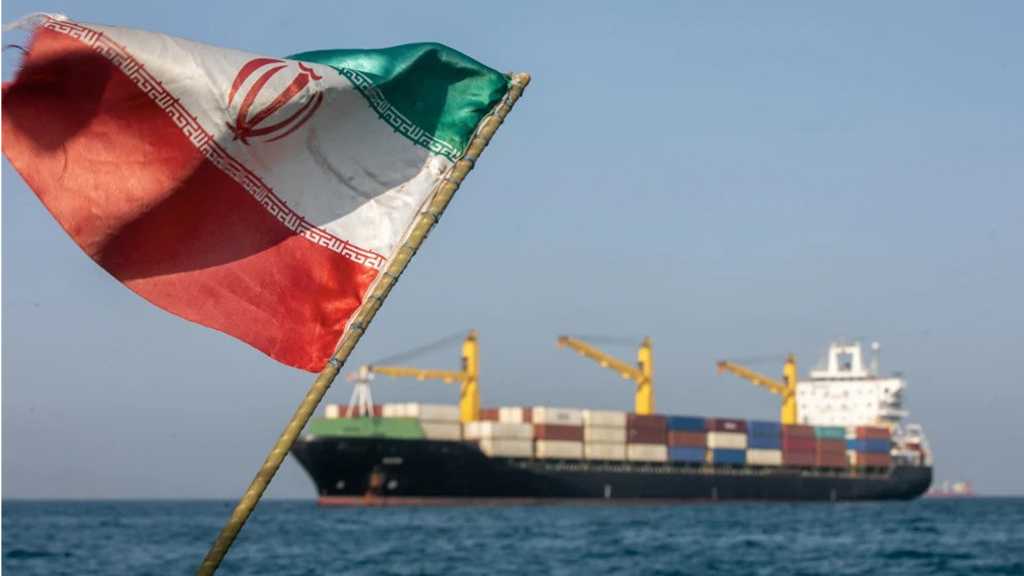
Baqaei also said negotiations between Iran and Oman concerning maritime transit through the Strait of Hormuz remain ongoing.
He said the process of preparing a maritime traffic route map with Oman has taken time because of security complications resulting from actions by the United States and the “Israeli” entity, as well as the involvement of multiple actors.
“Compilation of the maritime traffic route map with Oman has taken time due to the security complications caused by the actions of the US and the ‘Israeli’ regime, the multiplicity of actors and the disruption of malicious currents,” he said.
Iran continues efforts to determine fate of missing pilots
Addressing the disappearance of four Iranian Su-24 pilots, Baqaei said Iran continues to regard the pilots as captured as long as their fate remains officially unclear and is using every available channel to establish their status.
“The demand for clarification of the status of the four brave Iranian pilots who were heading to carry out a defensive operation to target the source of US aggression is serious, and we have been pursuing the issue since the day we became aware of it,” he said.
Baqaei said he was with Foreign Minister Abbas Araghchi when they first learned of the pilots’ situation during the opening days of the war and that determining their whereabouts was immediately made a priority.
He said Iran contacted the International Committee of the Red Cross [ICRC] for the first time on March 16, while the Iranian Embassy also began following up on the matter from the earliest days.
“As long as their status remains unclear, it is assumed that they have been captured, and we are using all available capacities to determine the status of the pilots,” Baqaei said.
“I clearly state that from the very first days, pursuing the status of these four pilots has been on the agenda. They were heading to carry out a defensive operation,” he added.
The pilots were involved in a retaliatory operation launched in response to what Tehran describes as unprovoked US-“Israeli” aggression against Iran beginning on February 28.
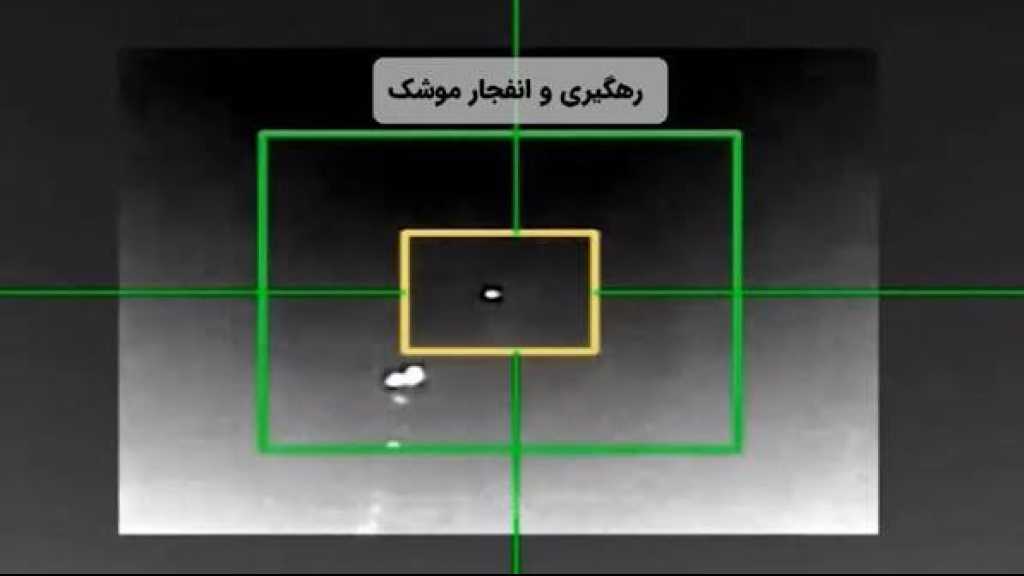
According to the Iranian account, two Iranian Air Force Su-24 bombers penetrated advanced radar and air-defense networks and struck Al Udeid Air Base in Qatar, a major US military facility in West Asia. The aircraft were targeted by enemy air defenses while returning over the Persian Gulf.
Iranian authorities later confirmed the martyrdom of Second Brigadier General pilot Majid Kazemi following forensic examinations and DNA testing.
On Saturday, the commander of Iran’s Missing-in-Action Search Committee said the three other pilots — Javad Salehi, Abdolmajid Dashtian and Emran Behrouzian — had been captured alive by Qatari forces.
Baqaei warns against repeating past US miscalculations
Discussing the anniversary of the August 19, 1953 coup, Baqaei described the event as one of the darkest episodes in Iran’s modern history and a costly example of foreign intervention in the country’s internal affairs.
He said the coup demonstrated the consequences of US interventionism, which resulted in the removal of a legitimate government that had emerged from the will of the Iranian people.
According to Baqaei, the consequences of that intervention continued to influence Iran’s foreign relations and subsequent developments for decades and remain evident today.
“We also witnessed the same miscalculation during the imposed war and the two recent wars over the past year: the assumption that Iran could be confronted and its destiny determined through pressure, threats, intervention and intimidation, and that its will could be subdued,” he said.
Baqaei argued that Iran’s decades of experience with foreign intervention, military conflict, sanctions and economic pressure had strengthened the country’s ability to resist outside attempts to dictate its policies.
Iran rejects further sanctions threats
Responding to US threats of additional economic pressure, Baqaei said Washington’s sanctions policy had failed to achieve its intended objectives.
He said the United States had spent decades relying on sanctions and repeatedly promoted the idea of “crippling sanctions.”
“But what did they gain from it? They proved their own inhumane nature,” he said.
Baqaei added that methods previously used by Washington without producing the desired results would not suddenly become effective in the future.
“Iran will use all means to respond to any hostile act,” he warned.
Iran protests French diplomats’ activities
Baqaei also addressed a dispute involving two French diplomats in Iran, stressing that Tehran was concerned primarily with the position of the French government regardless of the individuals’ formal legal status.
“What is important to us, regardless of the legal status of the individuals, is the position expressed as a government,” he said.
Baqaei said Iranian authorities had expected French officials to apologize over the incident and noted that French officials had acknowledged that the two individuals involved were not diplomats but agents.
He said France had claimed the individuals were assisting Iranian civil society, arguing that such activities were incompatible with international law.
“This itself is an admission that the Vienna Convention was violated,” Baqaei said.
Iran’s Foreign Ministry said Saturday that Iranian forces had discovered two French diplomats attending a secret meeting while carrying out a judicial operation to arrest two suspects in a major case involving alleged foreign infiltration and interference.
The ministry warned France against meddling in Iran’s internal affairs and said Paris must answer for what Tehran described as illegal activities by its diplomats.
Iranian Foreign Minister Abbas Araghchi also protested the “unconventional” conduct of the two French diplomats during a telephone conversation with his French counterpart on Tuesday.
Araghchi stressed that foreign diplomatic missions must comply with the laws of their host country and observe established diplomatic principles and norms in order to continue operating in Iran.
Comments