- Home
- ISLAMIC RESISTANCE
- SECRETARY-GENERAL
-
Full Speeches
- Speeches-2000
- Speeches-2006
- Speeches-2007
- Speeches-2008
- Speeches-2009
- Speeches-2010
- Speeches-2011
- Speeches-2012
- Speeches-2013
- Speeches-2014
- Speeches-2015
- Speeches-2016
- Speeches-2017
- Speeches-2018
- Speeches-2019
- Speeches-2020
- Speeches-2021
- Speeches-2022
- Speeches-2023
- Speeches-2024
- Speeches-2025
- Speeches-2026
- Speech-Reports
- SG
-
Full Speeches
- Voices
- Ten Day Dawn
- The Biggest Crime
- Martyr Leaders

Iran Rejects Extension of 60-Day MoU Period
By Staff, Agencies
Iran has categorically rejected discussions on extending the 60-day period referenced in the Islamabad Memorandum of Understanding (MoU), saying Tehran does not formulate its policies in response to pressure or imposed deadlines.
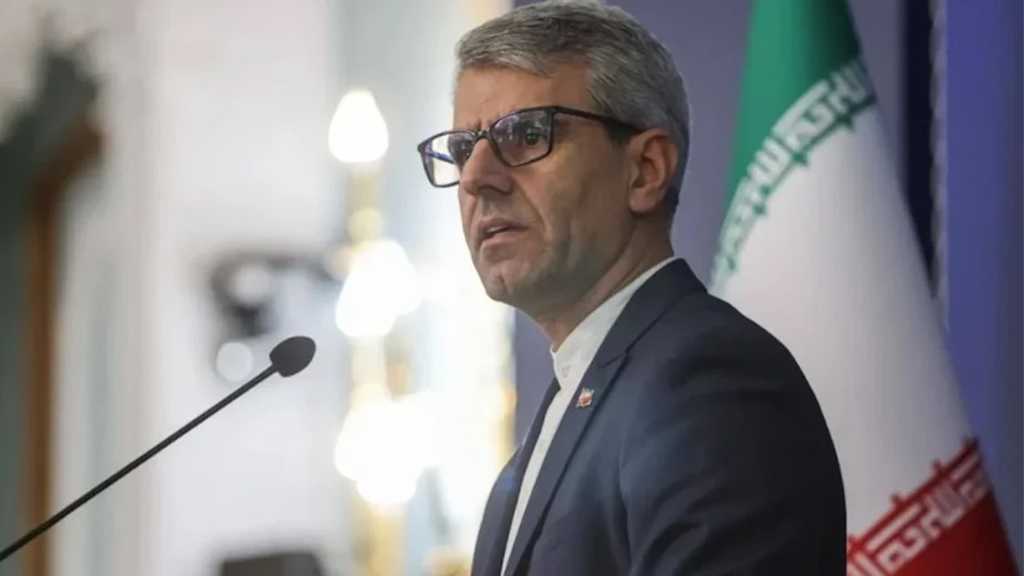
At his weekly press briefing on Monday, Iranian Foreign Ministry spokesperson Esmaeil Baghaei said the United States had violated the MoU from the outset and stressed that Iran does not make policy decisions under pressure or artificial timelines.
Baghaei said the MoU itself did not establish a 60-day deadline. Rather, he explained that it envisaged negotiations over the nuclear issue taking place within a 60-day period.
"We did not start any negotiations at all, and the US violated the understanding from the very beginning; therefore, the 60-day issue is not relevant," he said.
Baghaei added that Iran would base its decisions on national interests and its own assessments rather than comply with an imposed deadline.
"Iran is not a party that adjusts its policies under pressure and deadlines," he stressed.
The spokesperson also said Iran's Armed Forces were closely monitoring developments, emphasizing that "our powerful Armed Forces are keeping a watchful eye on any movement."
He added that strengthening relations with regional countries remains part of Iran's ongoing efforts.
Responding to US claims that Washington had changed its priorities concerning Iran, Baghaei said the statements reflected continued confusion and maintained that the war of aggression against Iran had no basis beyond serving the ambitions of "a regime in our region."
He said Washington had initially justified the war by citing an imminent threat from Iran, but noted that the Pentagon itself had rejected that claim, saying no such threat existed.
"They have trapped themselves in a quagmire and, in order to justify their failures, they are forced to change their objectives," Baghaei said.
He added that Washington's focus had since shifted toward the Strait of Hormuz, which he said had been open before the aggression.
"Under these circumstances, the best thing for the US is to extricate itself as soon as possible before becoming more deeply involved," Baghaei said, adding that admitting a mistake could allow Washington to make the right decision. He nevertheless questioned whether US officials had "such courage."
Comments
- Related News