UKMTO: Vessel Struck by Unknown Projectile in Hormuz
By Staff, Agencies
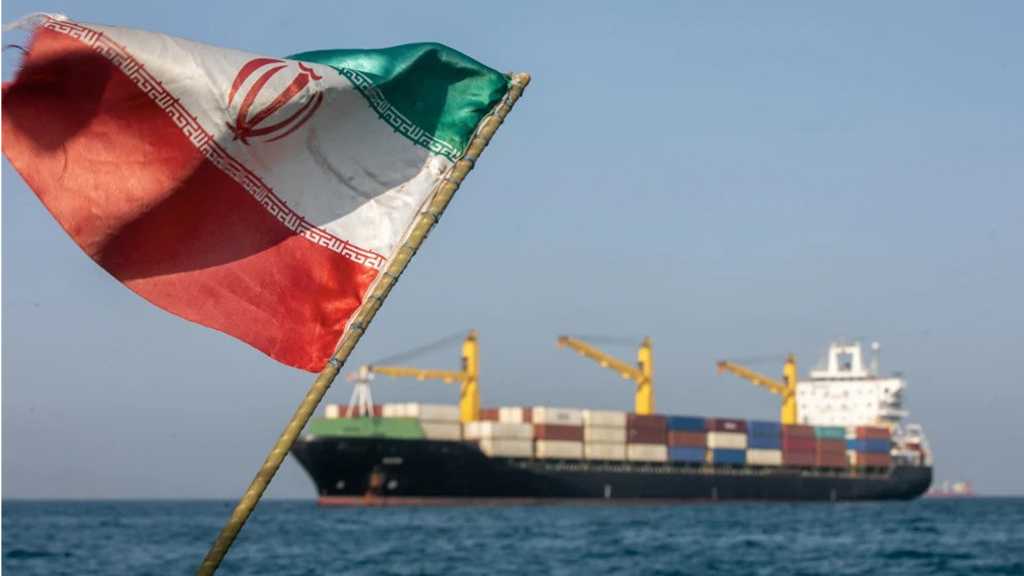
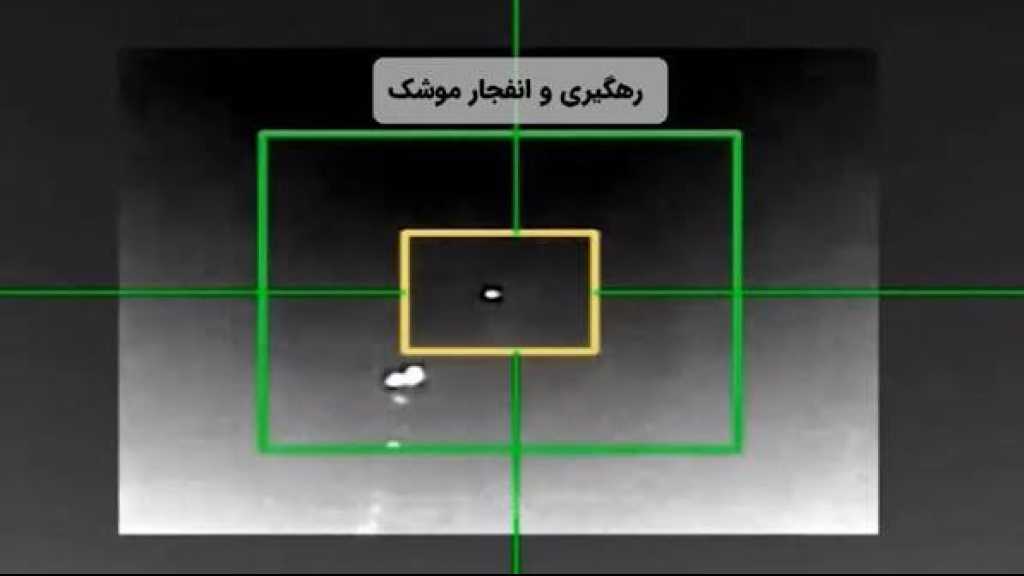
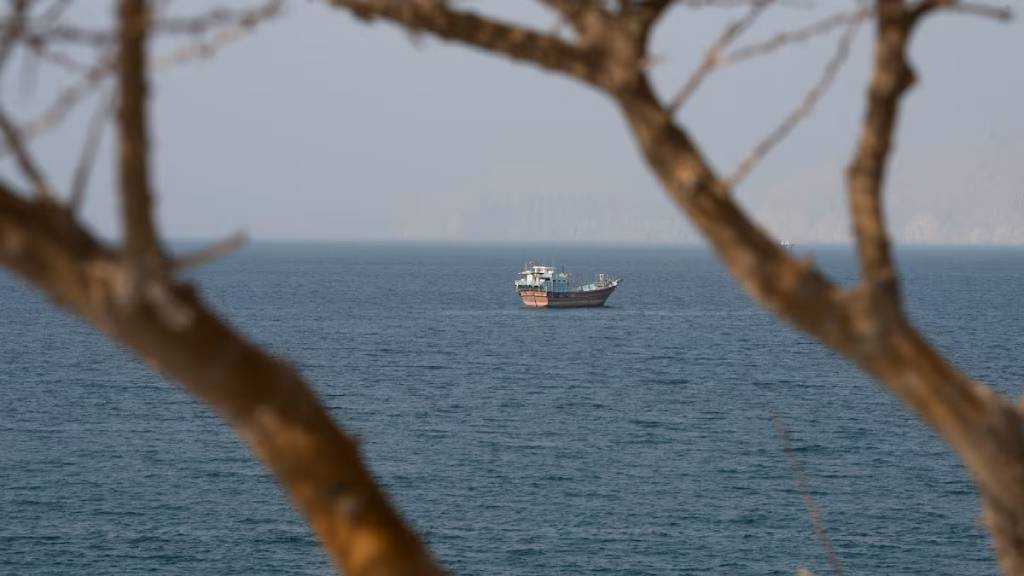
A vessel was struck by an unknown projectile while sailing outbound through the Strait of Hormuz, damaging its engine room and leaving one crew member with their life lost, according to the United Kingdom Maritime Trade Operations [UKMTO].
Following the incident, the vessel’s Company Security Officer reported the strike, while the remaining crew members were assisted by the Omani Coast Guard. No environmental impact has been reported so far, UKMTO said.
Meanwhile, authorities are investigating the incident, as UKMTO urged vessels navigating the strategic waterway to exercise caution and report any suspicious activity.
At the same time, maritime traffic through the Strait of Hormuz remained severely restricted over the weekend, with Tehran maintaining its navigation framework and insisting that Washington meet Iran’s conditions before normal shipping can resume.
Kpler ship-tracking data cited by Reuters showed that just five commodity vessels crossed the strait on Saturday, while none were recorded on Sunday. The figures marked a sharp decline from 31 crossings the previous weekend and remained only a fraction of pre-war traffic.
Notably, an Indian-flagged Very Large Gas Carrier entered the waterway through the route designated by Iran, underscoring the continued application of Tehran’s navigation framework. An empty Very Large Crude Carrier also entered the strait with its Automatic Identification System switched off, while a small tanker carrying Iranian fuel oil was tracked leaving the waterway.
For its part, Tehran has continued to require vessels navigating Hormuz to coordinate with Iranian authorities and follow designated maritime routes, as Washington seeks to maintain pressure on Iran and pursue alternative arrangements for passage.
Commercial traffic through Hormuz has plunged since the United States and "Israel" launched their war on Iran in February. Before the US aggression, more than 130 vessels crossed the waterway daily, with the strait carrying roughly one-fifth of global crude oil and liquefied natural gas shipments.
Although some vessels may continue crossing without appearing in tracking data after disabling their transponders, Kpler’s figures nevertheless point to a severe curtailment of normal commercial shipping.
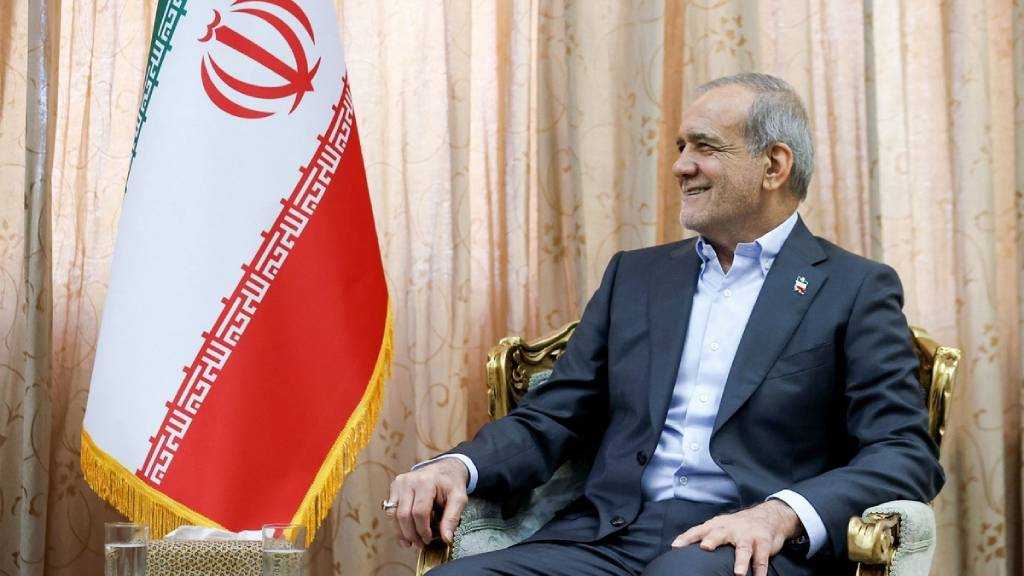
Meanwhile, Iranian Foreign Minister Abbas Araghchi said Saturday that Washington must meet Tehran’s conditions concerning the Strait of Hormuz before regular maritime traffic can be restored.
Iran has stressed that its discussions with Oman concern the technical organization of navigation routes and do not constitute an agreement to fully reopen the strait.
Tehran has also rejected claims that indirect exchanges through regional mediators amount to renewed negotiations with Washington, maintaining that no decision has been made to resume talks with the US.
Iranian officials have linked any broader normalization of maritime traffic in Hormuz to changes in US policy, including an end to the war and naval blockade imposed on Iran. Washington, meanwhile, has claimed it can maintain the blockade indefinitely.
Against this backdrop, the latest slowdown followed reported attacks last week on three vessels operated by the Abu Dhabi National Oil Company while transiting the area, according to the United Arab Emirates. The incidents have further heightened risks for commercial shipping amid the instability generated by the ongoing US-led aggression against Iran.
Maritime activity also declined through the Bab al-Mandab Strait, where Yemen’s Ansarullah declared a naval blockade on Saudi Arabia on July 20. Kpler recorded 49 commodity-vessel crossings over the weekend, compared with 55 the previous weekend.
No Saudi oil shipments were tracked through the waterway during that period.
Comments