- Home
- ISLAMIC RESISTANCE
- SECRETARY-GENERAL
-
Full Speeches
- Speeches-2000
- Speeches-2006
- Speeches-2007
- Speeches-2008
- Speeches-2009
- Speeches-2010
- Speeches-2011
- Speeches-2012
- Speeches-2013
- Speeches-2014
- Speeches-2015
- Speeches-2016
- Speeches-2017
- Speeches-2018
- Speeches-2019
- Speeches-2020
- Speeches-2021
- Speeches-2022
- Speeches-2023
- Speeches-2024
- Speeches-2025
- Speeches-2026
- Speech-Reports
- SG
-
Full Speeches
- Voices
- Ten Day Dawn
- The Biggest Crime
- Martyr Leaders

Qalibaf in Iraq to Strengthen “Historic and Inseparable” Iran-Iraq Ties
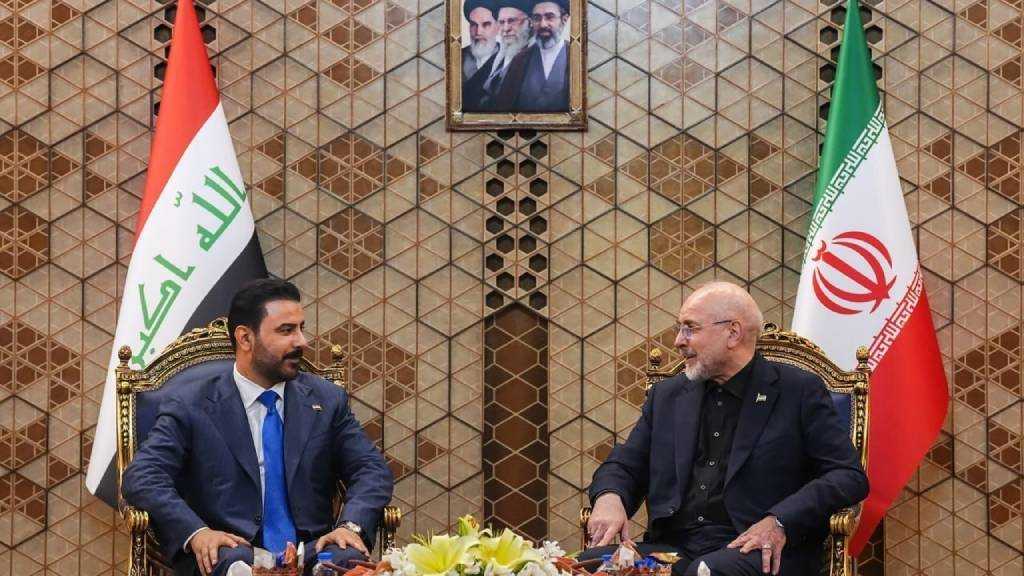
By Staff, Agencies
Iranian Parliament Speaker Mohammad Baqer Qalibaf has arrived in Iraq, hailing the “historic and inseparable” ties between the two neighboring peoples and stressing the need to deepen their strategic partnership.
Ahead of his visit, Qalibaf said Iran and Iraq had built their shared neighborhood through brotherhood during difficult times, Resistance to foreign interference and a common sense of destiny.
He said this history would guide future cooperation, particularly efforts to establish self-reliant and shared security.
The visit comes as Tehran and Baghdad seek to expand cooperation on regional developments, border security, counterterrorism, economic ties and the implementation of bilateral agreements.
Qalibaf is expected to meet senior Iraqi officials and prominent figures to discuss joint approaches to strengthening stability and security in West Asia.
Meanwhile, the two countries have also discussed arrangements for resuming Iraqi oil exports. Iraqi Oil Minister Bassem Mohammed said earlier this month that a mechanism agreed with Iran had yet to be activated.
Iraq currently produces around 2.7 million barrels of oil per day and exports nearly half, with its monthly export ceiling ranging between 1.5 million and 1.75 million barrels.
Against this backdrop, Qalibaf’s visit comes as US military involvement in the region faces growing resistance and Iraq prepares for the reported withdrawal of remaining US forces.
Baghdad has reaffirmed September 30 as the deadline for ending the Global Coalition’s military mission and completing the departure of its forces.
For Tehran and Baghdad, their growing strategic partnership offers a path toward greater regional independence and security while countering “Israeli” aggression and US destabilization efforts across West Asia.
Comments
- Related News