- Home
- ISLAMIC RESISTANCE
- SECRETARY-GENERAL
-
Full Speeches
- Speeches-2000
- Speeches-2006
- Speeches-2007
- Speeches-2008
- Speeches-2009
- Speeches-2010
- Speeches-2011
- Speeches-2012
- Speeches-2013
- Speeches-2014
- Speeches-2015
- Speeches-2016
- Speeches-2017
- Speeches-2018
- Speeches-2019
- Speeches-2020
- Speeches-2021
- Speeches-2022
- Speeches-2023
- Speeches-2024
- Speeches-2025
- Speeches-2026
- Speech-Reports
- SG
-
Full Speeches
- Voices
- Ten Day Dawn
- The Biggest Crime
- Martyr Leaders

Canada Walks Away as Trump’s 50% Tariffs Deepen Trade War
By Staff, Agencies
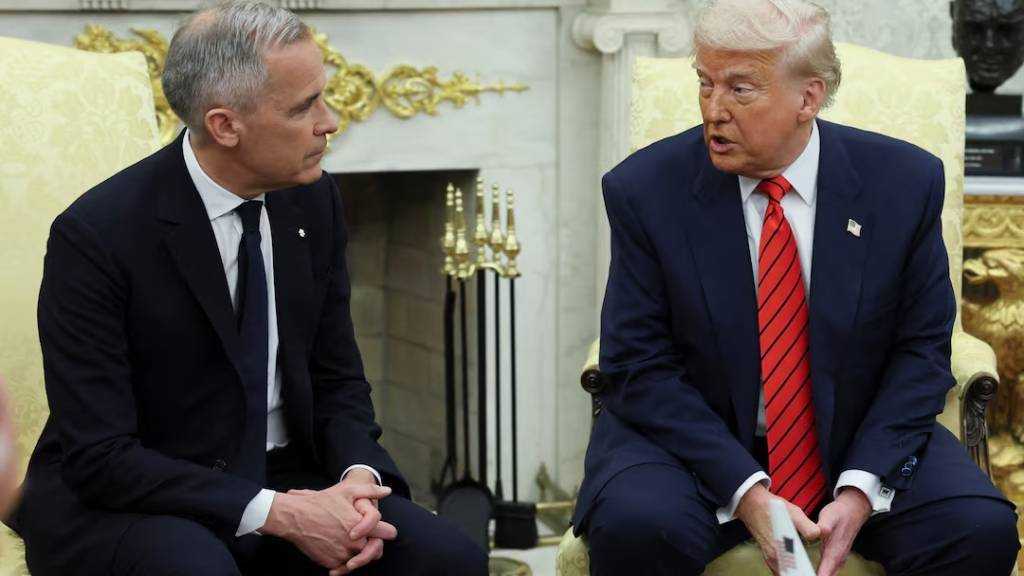
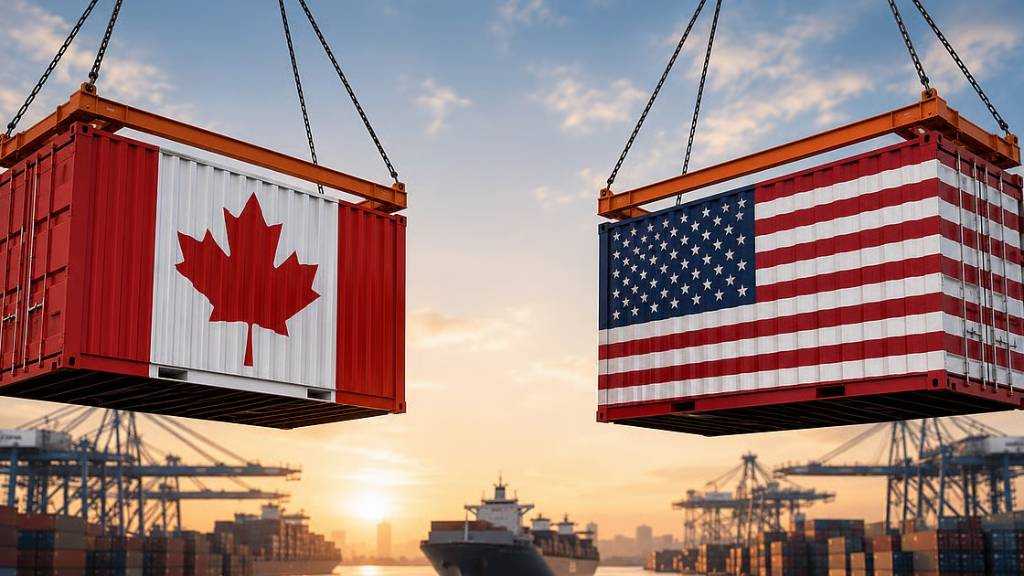
Canada has walked away from trade negotiations with the United States after rejecting increasingly broad demands from the Trump administration, allowing sweeping 50% tariffs on Canadian goods to take effect.
According to The Washington Post, Prime Minister Mark Carney ended the talks rather than accept conditions affecting Canadian vehicle production and Ottawa’s ability to pursue trade agreements with other countries.
The breakdown came days after US President Donald Trump claimed the two sides had reached “a DEAL.” Instead, negotiations collapsed, and the new tariffs took effect Saturday on products including hockey equipment and alcoholic beverages.
Carney said Canada would respond with its own measures beginning September 8, raising the prospect of an escalating tariff confrontation between economies whose annual trade exceeds $700 billion.
Washington had reportedly sought to keep some Canadian-made heavy trucks outside tariff reductions and restrict Canada’s ability to sign trade agreements with third countries. Carney said such demands would undermine Canadian production and economic independence.
Trump’s repeated suggestions that Canada should become the 51st US state have further fueled opposition in Canada. Carney said Ottawa had recognized that “America has changed,” adding that sometimes “its signature is written in pencil.”
The talks also exposed divisions within the Trump administration over tariff relief. US Trade Representative Jamieson Greer reportedly supported reducing some tariffs in exchange for Canadian concessions, while White House trade adviser Peter Navarro and Commerce Secretary Howard Lutnick opposed the move.
The dispute reflects Trump’s broader strategy of using access to the US market to pressure trading partners into opening their markets, increasing investment and shifting production to the United States.
The breakdown has also cast uncertainty over the United States-Mexico-Canada Agreement, while businesses on both sides face higher costs because of their deeply integrated economies.
Despite Trump’s claims that the US does not need Canadian goods, American industries rely heavily on Canadian supplies, including potash fertilizer, hydroelectricity and heavy crude.
Businesses importing Canadian products will now have to absorb higher tariff costs or pass them on to consumers. Companies dependent on Canadian industrial inputs may have little choice but to continue importing at higher prices.
Some analysts expect Washington and Ottawa to eventually return to negotiations given their economic interdependence. For now, however, Canada’s refusal to accept Washington’s latest demands represents a major challenge to Trump’s tariff-driven trade strategy.
Comments
- Related News