- Home
- ISLAMIC RESISTANCE
- SECRETARY-GENERAL
-
Full Speeches
- Speeches-2000
- Speeches-2006
- Speeches-2007
- Speeches-2008
- Speeches-2009
- Speeches-2010
- Speeches-2011
- Speeches-2012
- Speeches-2013
- Speeches-2014
- Speeches-2015
- Speeches-2016
- Speeches-2017
- Speeches-2018
- Speeches-2019
- Speeches-2020
- Speeches-2021
- Speeches-2022
- Speeches-2023
- Speeches-2024
- Speeches-2025
- Speeches-2026
- Speech-Reports
- SG
-
Full Speeches
- Voices
- Ten Day Dawn
- The Biggest Crime
- Martyr Leaders

Scientists Develop Protein-Rich Cookies Made from Plastic Waste
By Staff, Agencies
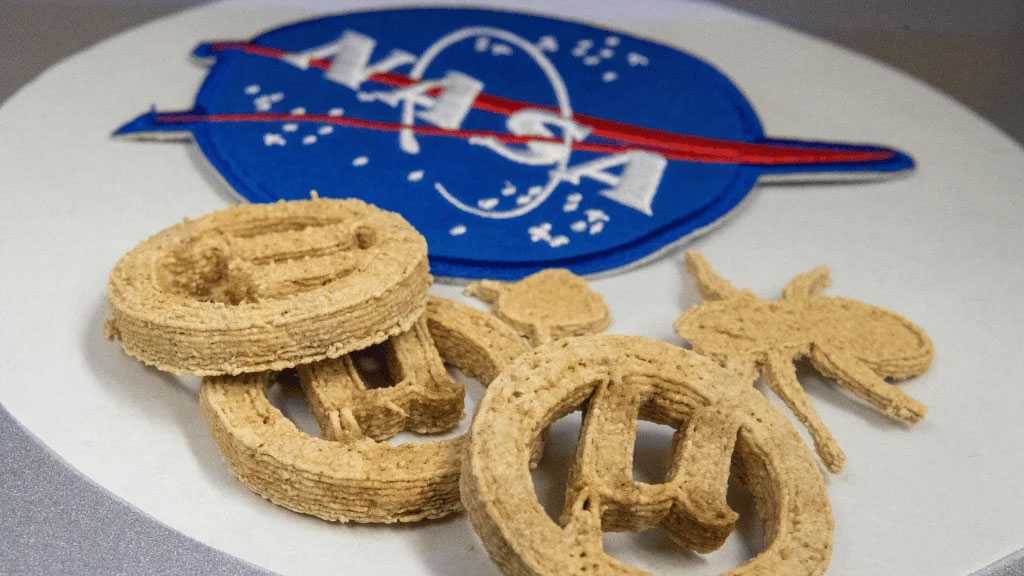
Scientists at Southern Illinois University Carbondale [SIU] have developed an experimental method for turning plastic and agricultural waste into protein-rich, 3D-printed cookies.
The project, led by microbiology researcher Lahiru Jayakody and his team, is designed to address two major global challenges: plastic pollution and food insecurity. The researchers reasoned that because both plastic and food contain carbon, waste plastic could potentially be converted into useful nutrients.
The process begins by breaking down plastic and plant waste using water and oxygen under high temperatures and pressure. Genetically engineered yeast is then used to consume the resulting compounds and produce proteins, fats, and acids. Scientists combine these materials with fiber, starch, and sweeteners before feeding the mixture into a 3D printer, which can shape it into different forms.
Using the process, the team created small protein-rich cookies called “μBites,” or “microbites.” However, the researchers have not yet tasted the products because they are awaiting approval from their university to conduct safety testing.
The technology could eventually have applications in places where conventional food production is difficult. Jayakody suggested that it could help produce food in extreme environments such as deserts or the Arctic, and potentially even on the Moon or Mars, by converting locally available waste into nutrients.
The SIU team has been working on the technology since 2021, when the μBites concept was selected for NASA’s Deep Space Food Challenge.
The research comes as scientists continue to investigate the growing presence of microplastics and nanoplastics in the human food chain. Studies have detected these particles in various human tissues, including the brain, liver, kidneys, blood, placenta, and heart. Researchers have linked plastic-particle exposure to processes such as inflammation, oxidative stress, cell damage, and changes in metabolism and immune responses. However, scientists emphasize that more research is needed to understand the long-term health effects on humans.
Comments
- Related News