- Home
- ISLAMIC RESISTANCE
- SECRETARY-GENERAL
-
Full Speeches
- Speeches-2000
- Speeches-2006
- Speeches-2007
- Speeches-2008
- Speeches-2009
- Speeches-2010
- Speeches-2011
- Speeches-2012
- Speeches-2013
- Speeches-2014
- Speeches-2015
- Speeches-2016
- Speeches-2017
- Speeches-2018
- Speeches-2019
- Speeches-2020
- Speeches-2021
- Speeches-2022
- Speeches-2023
- Speeches-2024
- Speeches-2025
- Speeches-2026
- Speech-Reports
- SG
-
Full Speeches
- Voices
- Ten Day Dawn
- The Biggest Crime
- Martyr Leaders

IRG Navy: Iran Holds “Completely Decisive” Control of Hormuz
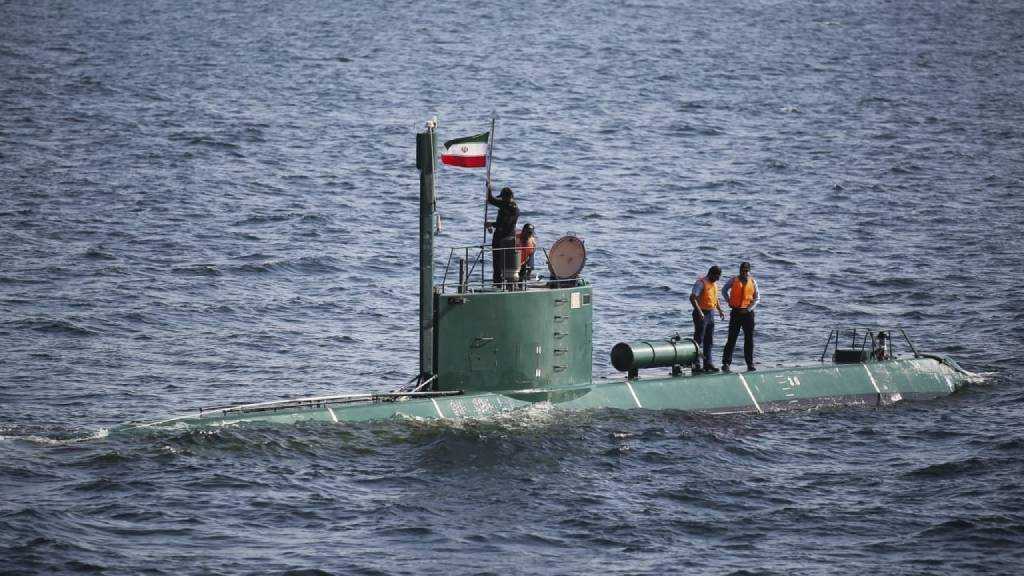
By Staff, Agencies
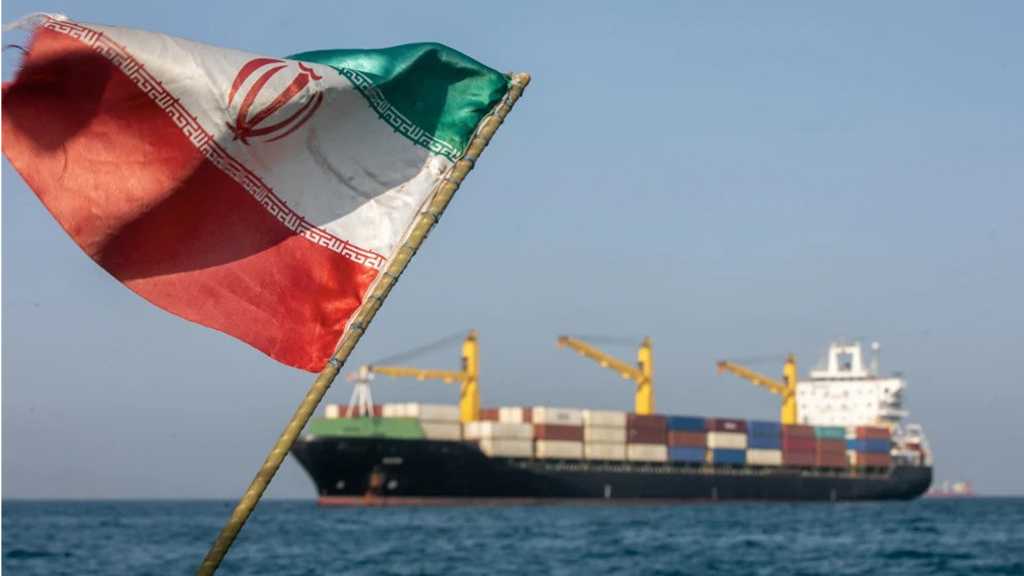
Iran’s Islamic Revolutionary Guards [IRG] Navy said its control over the Strait of Hormuz is “completely decisive,” rejecting repeated US claims that the strategic waterway remains open. It accused US officials of lying to “cover up their own defeats.”
In a statement carried late Friday by Iran’s IRIB, the IRG Navy said the strait is closed to ships seeking to transit without coordination with Iran, adding that the measure would remain in place “until the end” of the US “terrorist army’s” aggression against Iran and until outstanding obligations are fulfilled.
The statement also described US claims that the strait is open as “an outright lie,” alleging they are aimed at controlling oil prices and concealing Washington’s setbacks.
The latest statement follows the collapse of a Pakistan-mediated memorandum reached during the Islamabad Talks in June, which had established a 60-day toll-free transit window. Tehran said successive US violations led to the arrangement’s breakdown.
Subsequently, after Washington attempted to bypass Iranian authority through a southern route off Oman’s coast, Iranian forces repeatedly struck vessels they said were violating the arrangements. Deputy Foreign Minister Kazem Gharibabadi said this week that the strait had become “a matter of Iran’s national security” following the 40-day war.
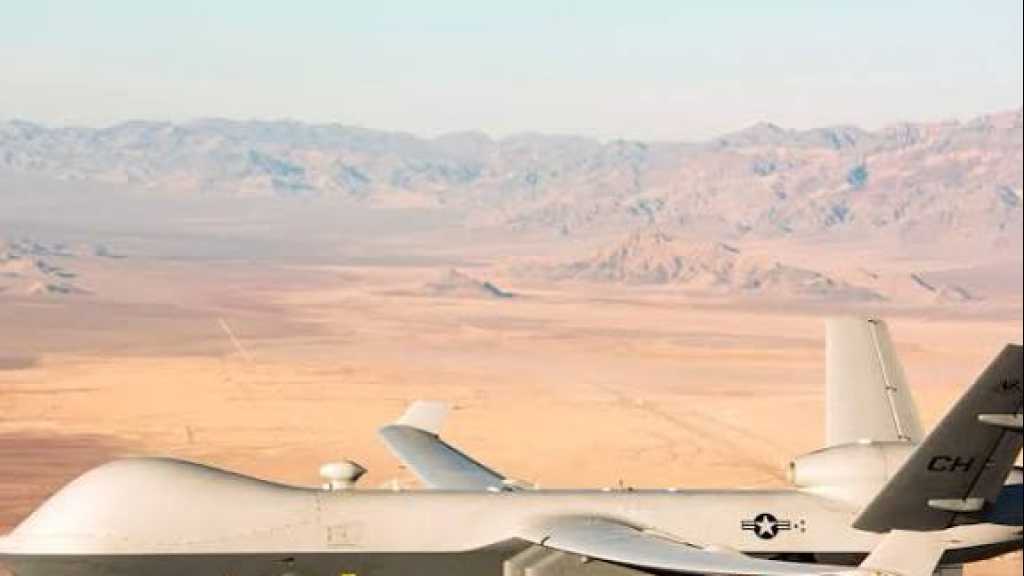
Meanwhile, the United States launched an air campaign on March 19 targeting Iranian naval vessels and drones, followed by a formal naval blockade on April 13 after US negotiators withdrew from the first round of Islamabad talks.
During the escalation, “Israel” assassinated IRG Navy Commander Admiral Alireza Tangsiri, while US President Donald Trump separately ordered attacks on Iranian boats.
On July 8, Washington renewed its military campaign against Iran, striking southern areas and reinstating its blockade of Iranian ports. Despite the attacks, Tehran says it continues to control maritime traffic through the strait and respond to vessels it considers violating its restrictions.
At the same time, Iran and Oman have been negotiating a temporary jointly managed shipping corridor through Hormuz, alongside a project to clear naval mines. The arrangement provides a 30-to-60-day period for negotiations toward a permanent route.
Gharibabadi stressed that the Oman arrangement does not constitute a reopening of the strait, saying this would require Washington to comply with the Islamabad memorandum. It remains unclear whether the US will accept an arrangement that excludes it.
The war has also affected global shipping and energy markets. Daily transit through Hormuz has reportedly fallen to single digits from around 140 before the war, while oil prices recorded four consecutive weekly declines, with Brent crude trading at around $87 a barrel.
Comments
- Related News