- Home
- ISLAMIC RESISTANCE
- SECRETARY-GENERAL
-
Full Speeches
- Speeches-2000
- Speeches-2006
- Speeches-2007
- Speeches-2008
- Speeches-2009
- Speeches-2010
- Speeches-2011
- Speeches-2012
- Speeches-2013
- Speeches-2014
- Speeches-2015
- Speeches-2016
- Speeches-2017
- Speeches-2018
- Speeches-2019
- Speeches-2020
- Speeches-2021
- Speeches-2022
- Speeches-2023
- Speeches-2024
- Speeches-2025
- Speeches-2026
- Speech-Reports
- SG
-
Full Speeches
- Voices
- Ten Day Dawn
- The Biggest Crime
- Martyr Leaders

Poll Finds Nearly Half Expect Merz to Leave Office This Year
By Staff, Agencies
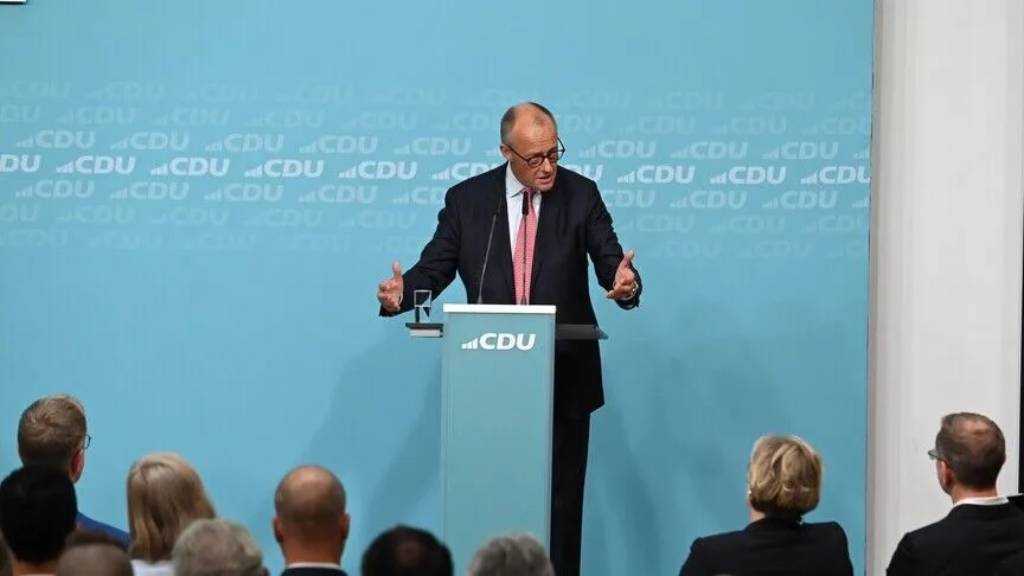
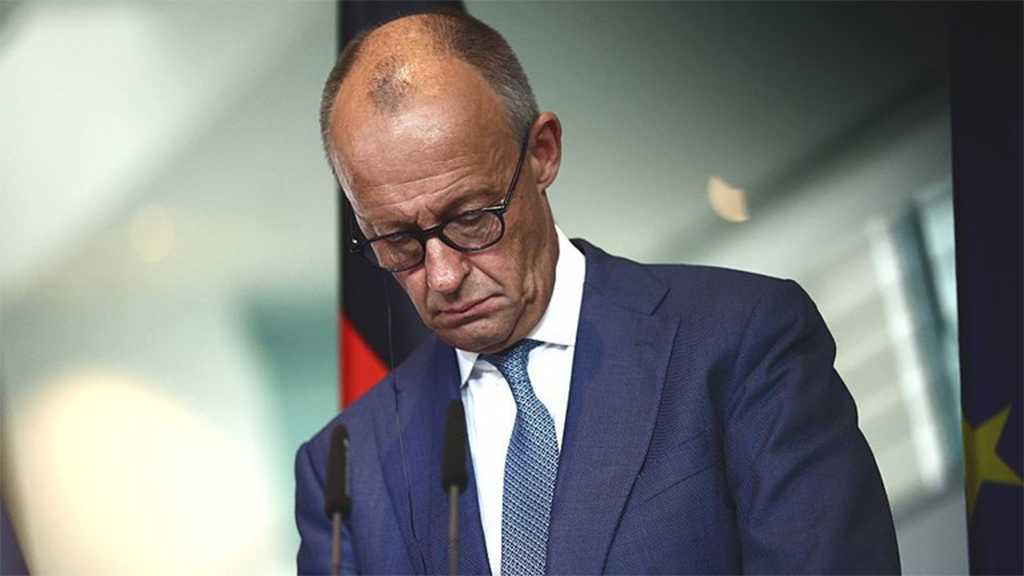
Nearly half of Germans believe Chancellor Friedrich Merz will leave office before the end of 2026, according to a new YouGov survey, as his approval ratings reach record lows and speculation over his political future grows ahead of key state elections.
The poll, published Thursday, found that 48% of respondents expect Merz to leave the chancellery before the end of the year, while 31% believe he will remain in office and 21% are undecided. YouGov surveyed 1,611 German adults on September 17.
Public dissatisfaction with Merz has increased sharply just 16 months into his chancellorship. A Forsa poll in August found only 13% satisfied with his performance, compared with 85% dissatisfied. Another survey this week put his approval at 10%, with 88% expressing dissatisfaction.
The discontent comes amid prolonged economic weakness, stalled reforms, and criticism of Merz’s focus on foreign and defense policy.
Germany experienced three consecutive years of stagnation and recession before GDP expanded 0.3% quarter-on-quarter in the second quarter of 2026, while investment continued to decline and household consumption remained largely flat.
In July, Merz’s coalition approved a 34-point economic reform package after more than a year of disagreements over key policies. The package included austerity measures, tax cuts, pension changes, and tighter sick-leave rules, but also drew public criticism.
Merz has simultaneously prioritized defense, pledging to build the “strongest conventional army in Europe” in response to what he describes as a Russian threat, a characterization Moscow rejects.
Political pressure intensified after Merz’s bloc suffered a major defeat to the right-wing Alternative for Germany (AfD) in the Saxony-Anhalt state election earlier this month.
With elections in Berlin and Mecklenburg-Western Pomerania scheduled for Sunday, speculation has grown over a possible “chancellor swap” if the CDU suffers further losses.
German media have outlined scenarios including voluntary resignation, a constructive vote of no confidence, or Merz calling a confidence vote himself. However, removing him against his will would be difficult under Germany’s Basic Law, as the Bundestag must simultaneously elect a successor.
Comments
- Related News