Trump’s Midterm Risk: Allies Hedge Against A More Uncertain US
By Staff, Agencies
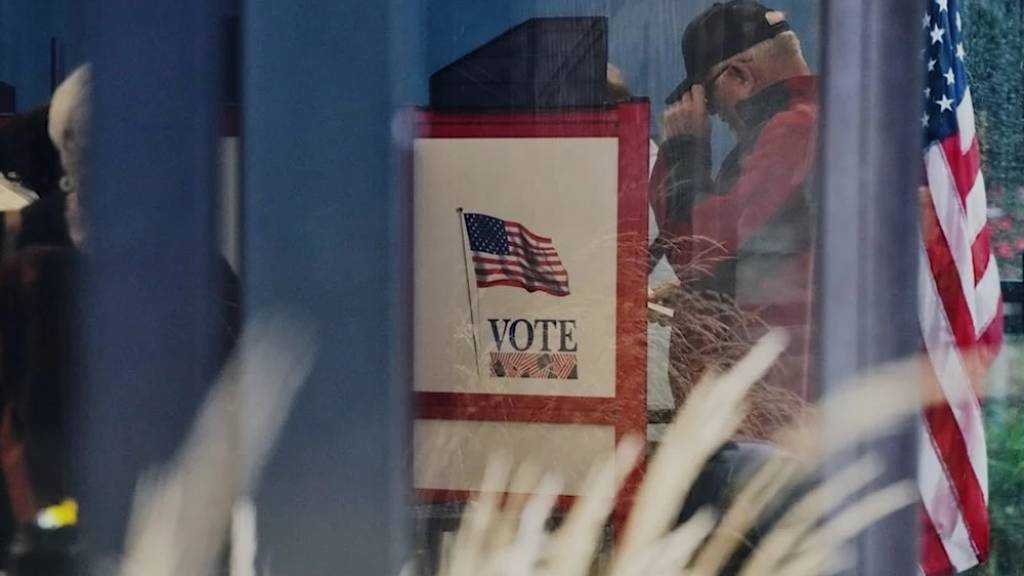
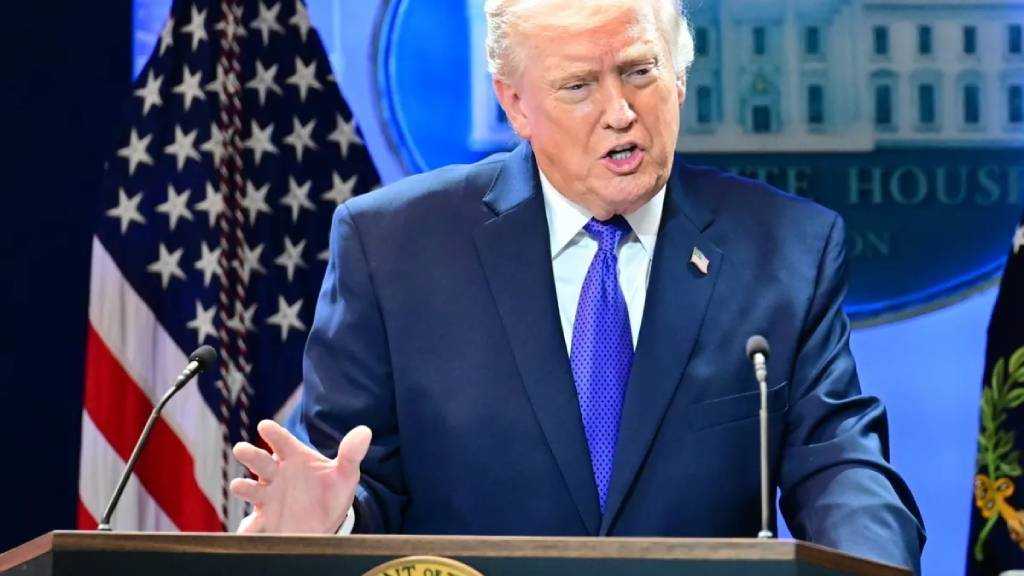
A potential Republican setback in the 2026 midterms could weaken President Donald Trump domestically and leave him facing a Democratic-controlled Congress.
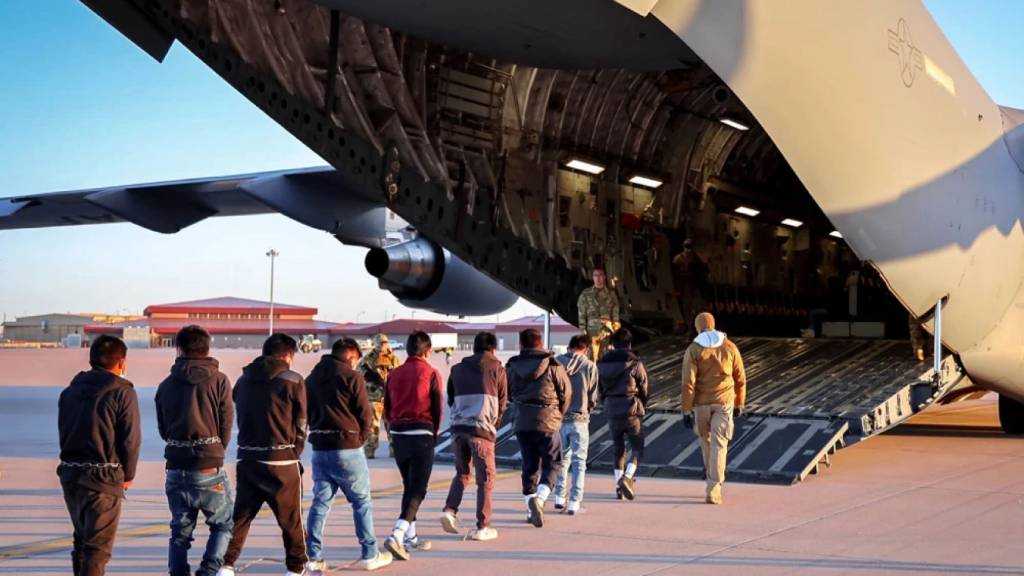
Rather than becoming a passive “lame duck,” however, Trump could turn more aggressively to foreign policy as domestic gridlock limits his agenda, The Guardian reported.
Former US Secretary of State Hillary Clinton and former UK Foreign Secretary David Lammy are among those who expect a more disruptive Trump foreign policy after the midterms.
At the same time, uncertainty over Washington’s commitments is pushing middle powers to diversify their diplomatic, military and economic partnerships.
This shift is visible in groups outside US-led structures, including BRICS and the Shanghai Cooperation Organization [SCO], which are expanding cooperation on trade, supply chains, payments and economic sovereignty. China has promoted the idea of a more multipolar order less dependent on US power.
US-led groupings such as NATO and the G7, meanwhile, are increasingly focused on maintaining unity and preparing for possible US policy reversals. Smaller partnerships are also emerging around defense, critical minerals and trade.
In West Asia, Turkey, Pakistan and Saudi Arabia signed the Mecca pact on Aug. 7, a defensive agreement that could reshape regional security. While some view it as a move away from reliance on Washington, others see it as aimed at Iran.
Trita Parsi of the Quincy Institute said Gulf states have become increasingly vulnerable after relying on US security guarantees.
US bases came under Iranian missile and drone attacks, while Washington allowed "Israel" to strike Qatar’s capital, Doha, in an attempt to target Hamas leaders. The episode prompted Gulf governments to reassess their security assumptions.
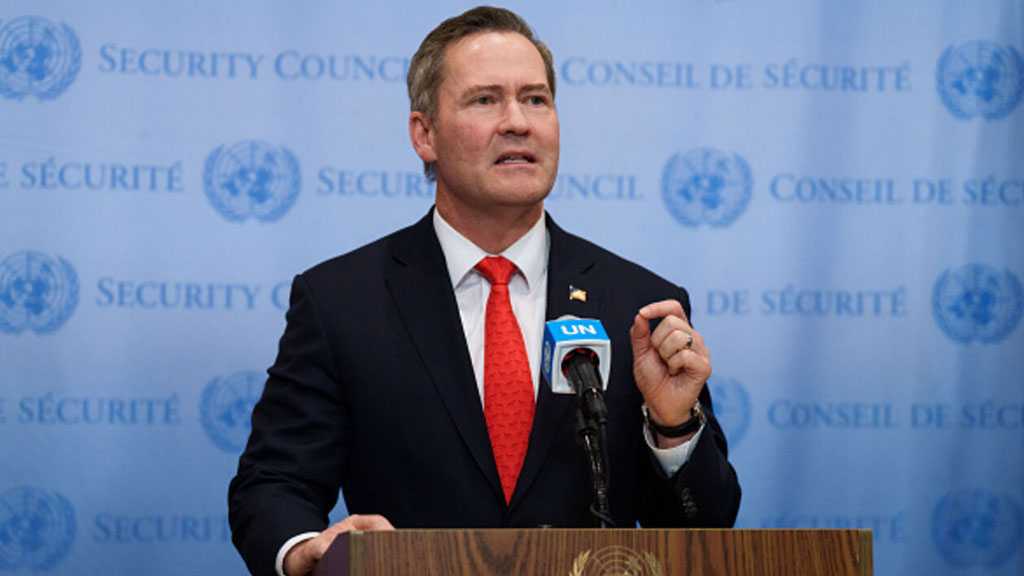
Qatar’s Foreign Ministry spokesperson Majed al-Ansari said Gulf states could not rely solely on the US and needed greater security self-sufficiency.
The shift also matters economically: Saudi Arabia’s Vision 2030 depends on investment, tourism and secure energy routes, while India relies on West Asia for around 60% of its crude oil and 70% of its LNG.
Europe is facing similar concerns. Calls for greater strategic autonomy have grown as Washington pushes European states to shoulder more defense responsibilities.
Germany, France, Italy, Poland and the UK have been discussed as pillars of closer military cooperation, while Poland, the Baltic states and Scandinavia have sharply increased defense spending since 2022.
Canada is also seeking alternatives as tensions with Washington deepen. Prime Minister Mark Carney has pursued new markets and closer European ties, while former Canadian ambassador Bob Rae described the US as a “predatory hegemon.”
South Korea and Japan are likewise reassessing their security assumptions after Washington reduced a major joint military exercise with Seoul and US military stockpiles were affected by the war on Iran.
The developments have renewed debate over independent nuclear capabilities while giving China an opportunity to present itself as a more dependable regional partner.
Still, former Biden administration official Kurt Campbell argues that US alliances can recover, as they did after Trump’s first term.
Others contend that countries already building alternative partnerships may be reluctant to return to the previous US-centered system, pointing toward a more fragmented international order.