- Home
- ISLAMIC RESISTANCE
- SECRETARY-GENERAL
-
Full Speeches
- Speeches-2000
- Speeches-2006
- Speeches-2007
- Speeches-2008
- Speeches-2009
- Speeches-2010
- Speeches-2011
- Speeches-2012
- Speeches-2013
- Speeches-2014
- Speeches-2015
- Speeches-2016
- Speeches-2017
- Speeches-2018
- Speeches-2019
- Speeches-2020
- Speeches-2021
- Speeches-2022
- Speeches-2023
- Speeches-2024
- Speeches-2025
- Speeches-2026
- Speech-Reports
- SG
-
Full Speeches
- Voices
- Ten Day Dawn
- The Biggest Crime
- Martyr Leaders

US Soldiers Wounded in Iran Strike Decry Military Medical Failures
Edited by Staff, Press TV
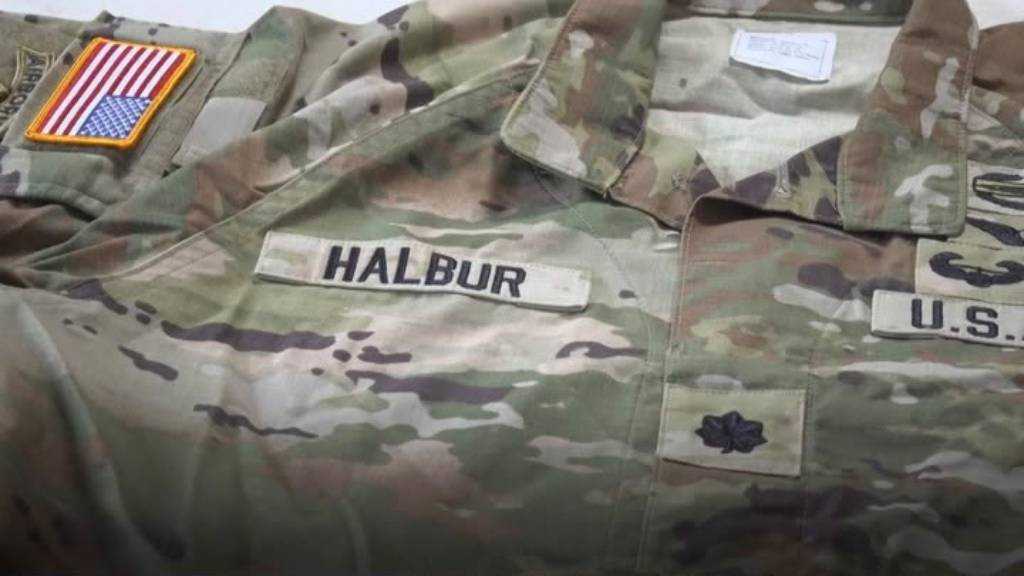
US soldiers wounded in an Iranian retaliatory drone strike in Kuwait say the US military’s medical system failed to provide adequate care, forcing some to pursue treatment on their own.
The March 1 strike targeted a US tactical operations center at Port Shuaiba in Kuwait, killing six Army Reserve soldiers and wounding more than 30 others.
According to the Associated Press, nine wounded service members described major shortcomings in their treatment, including lengthy delays and difficulties accessing specialized care.
Army Lt. Col. Arturo Lincon said shrapnel struck his jaw and neck, severing an artery and lodging in a vertebra.
Despite being diagnosed with a traumatic brain injury and facing a potential stroke risk, he said he was not admitted to Landstuhl Regional Medical Center because his injuries were not properly registered as combat wounds.
He later spent seven weeks receiving specialized outpatient care at Walter Reed, while shrapnel remains lodged near his spinal cord.
Maj. Stephen Ramsbottom said he waited more than four months for MRI results after shrapnel was removed from his head, while Maj. Billy Key, who suffered a head injury, hearing loss and lung damage, said he did not receive specialized treatment until mid-April.
Other wounded soldiers said they relied on one another for treatment and only received what they considered adequate medical care after returning to the United States.
Meanwhile, the Pentagon rejected claims that the Army downplayed the soldiers’ injuries, saying those wounded during the war against Iran received necessary treatment or were evacuated to higher levels of care. However, the soldiers’ accounts point to significant shortcomings in the military’s handling of their medical aftermath.
Separately, sources familiar with US casualty data told The Washington Post in September that at least 22 US military personnel had lost their lives since Washington and the “Israeli” occupation entity launched the war on February 28; four more than the 18 deaths publicly listed by the Department of War.
One official put the figure at 23, noting that some unlisted deaths involved personnel in the region during the war but were not directly attributed to it.
The department’s public database currently lists 14 deaths under “Operation Epic Fury” and four others under “Overseas Operations.”
Comments
- Related News