Iran: Weapons Production Increased 2.5-Fold Despite Enemy Aggression
By Staff, Agencies
Iran’s armed forces remain fully equipped and prepared for continued confrontation, with domestic weapons production rising sharply despite recent military aggression, a Defense Ministry spokesman has said.
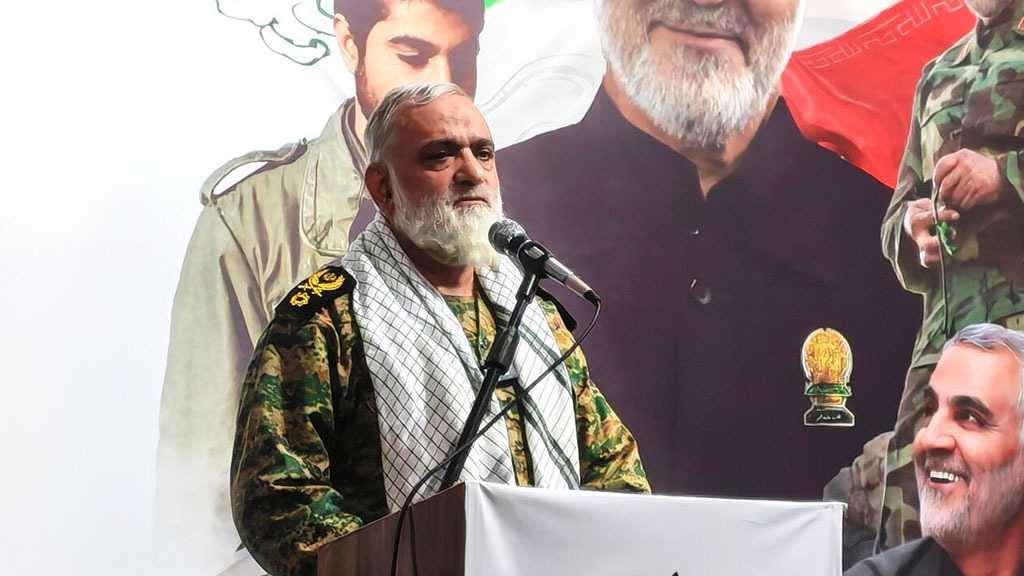
Brigadier General Reza Talaei-Nik made the remarks during a special interview on Thursday, emphasizing that Iran’s military maintains sufficient weapons, equipment and a resilient supply chain to sustain operations without shortages.
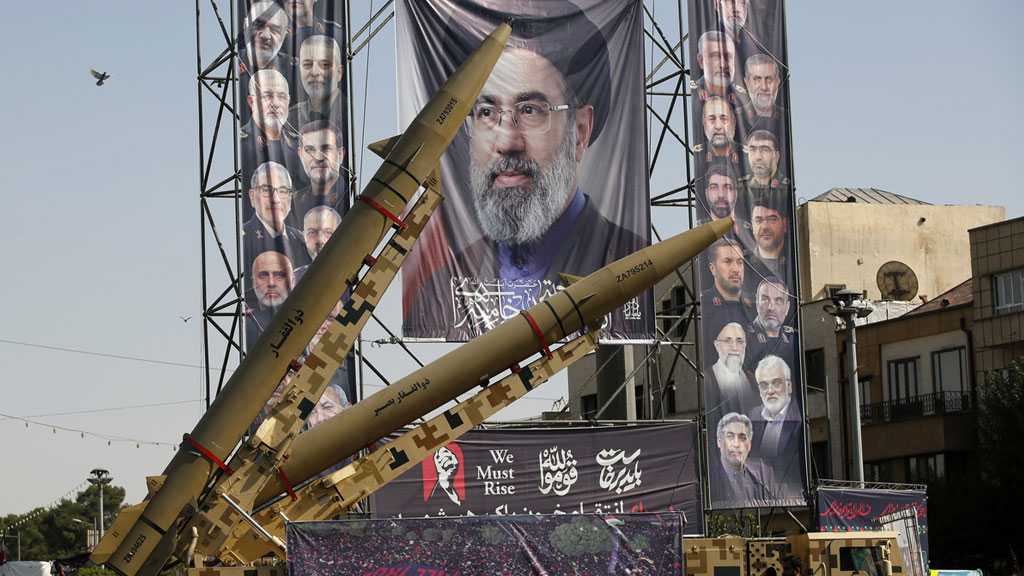
He stated that weapons production during the seven months following the imposed 40-day war of aggression increased 2.5-fold compared with the corresponding period before the conflict.
According to Talaei-Nik, the expansion was made possible by establishing secure alternative production facilities and involving approximately 9,000 private knowledge-based companies. He added that Iran’s strategic reserves have remained above consumption levels, ensuring continued military readiness.
The spokesman also paid tribute to the late Defense Minister, Martyr Major General Aziz Nasirzadeh, whom he described as a devoted, loyal, and highly capable manager. During his 18-month tenure, Nasirzadeh expanded the Defense Ministry’s knowledge-based network by 35 percent and increased production capacity by 80 percent in his first year, Talaei-Nik said.
He noted that Nasirzadeh continued carrying out his defense responsibilities until shortly before his martyrdom, while traveling to attend a Defense Council meeting.
According to the spokesman, the groundwork established under Nasirzadeh contributed to Iran’s victory in the 12-day imposed war through asymmetric warfare capabilities and economic defense measures.
Talaei-Nik claimed that Iran’s costs for deploying weapons and missiles were between one and 50 times lower than those incurred by its adversaries, who relied on advanced foreign technologies and extensive international support networks associated with the United States and the “Israeli” entity.
He further stated that during the longer Ramadan War, which lasted 3.5 times as long as the 12-day conflict, Iran’s domestically developed systems destroyed more than 20 times as many enemy drones.
The spokesman also asserted that enemy naval forces had withdrawn and warned that those continuing aggression and supporting terrorism in the region would face further defeats.
He emphasized that Iran’s defense production lines have been organized to incorporate battlefield experience rapidly, allowing manufacturers to adapt equipment and systems to evolving operational requirements. This approach, he said, would sustain preparedness for a prolonged confrontation while creating surplus production capacity for exports following the defeat of the enemy.
Talaei-Nik added that the Defense Ministry’s ATAKA organization had allocated more than 20,000 billion tomans toward military readiness and supplies, while welfare services for personnel had increased by 45 percent.
He also confirmed the nomination of Engineer Mehrdad Akhlaqi as the new defense minister, citing his expertise in missile systems, drones and strategic weapons. Plans are also underway to establish a “Re-creation and Excellence Headquarters,” comprising five specialized staffs and 14 committees.
Meanwhile, 50 dual-use technology projects are being pursued in cooperation with private-sector companies, reflecting efforts to strengthen domestic technological capabilities and expand the country’s defense-industrial base.
The spokesman stressed that Iran’s armed forces, including the Army, the Islamic Revolution Guards [IRG], and the police, remain coordinated and capable of confronting adversaries. He added that attempts to pressure Iran through economic measures would ultimately fail.
Talaei-Nik concluded by honoring Iran’s five martyred defense ministers and reaffirming the Defense Ministry’s commitment to serving the Iranian nation and the Leader of the Islamic Revolution.