Report: US Envoy Huckabee Secretly Met Netanyahu Rival Eisenkot Ahead of “Israeli” Elections
By Staff, Agencies
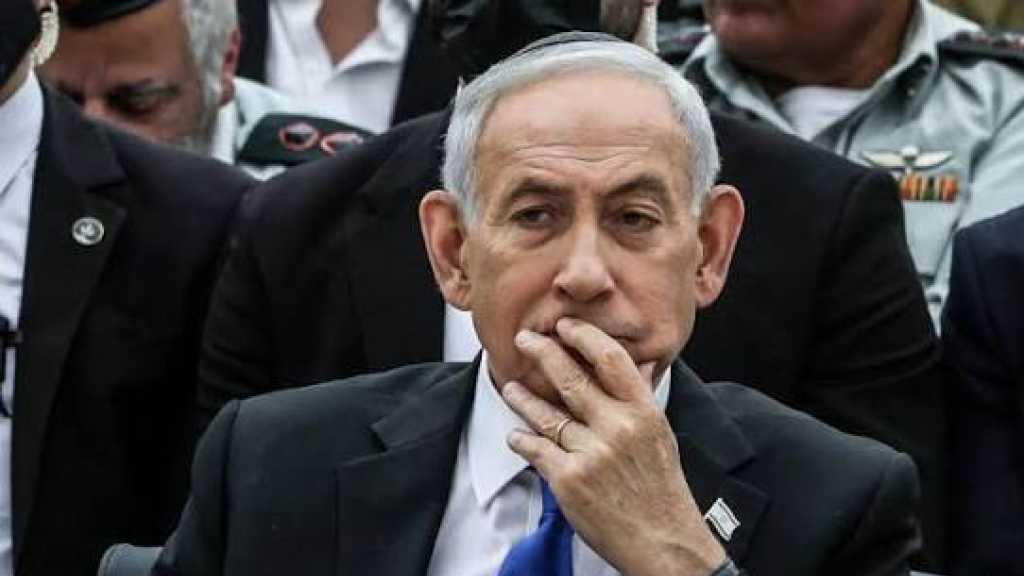
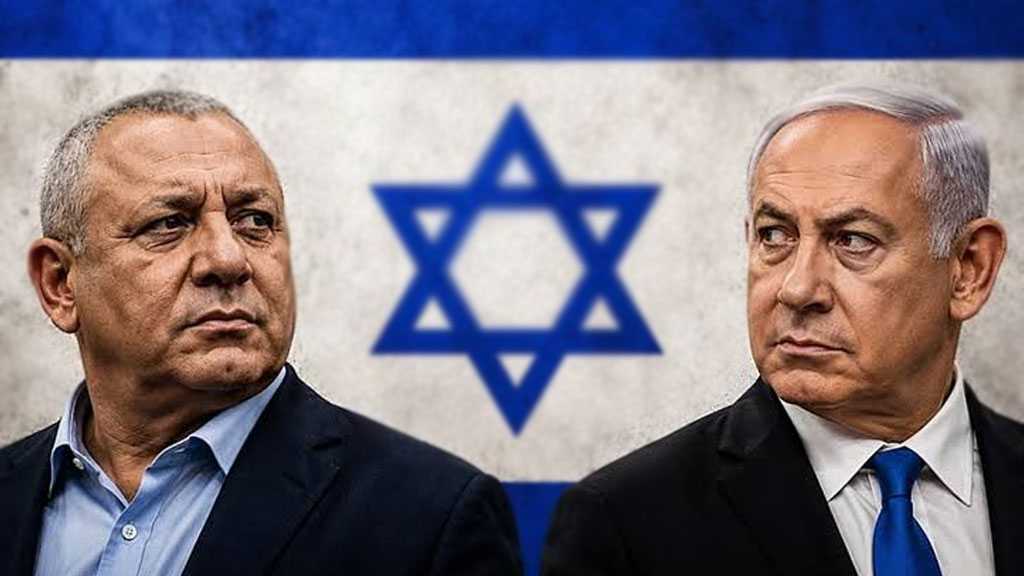
US Ambassador to the “Israeli” entity Mike Huckabee has held a private meeting with Gadi Eisenkot, a prominent political rival of “Israeli” Prime Minister Benjamin Netanyahu, in recent days, according to an MS NOW correspondent citing informed sources.
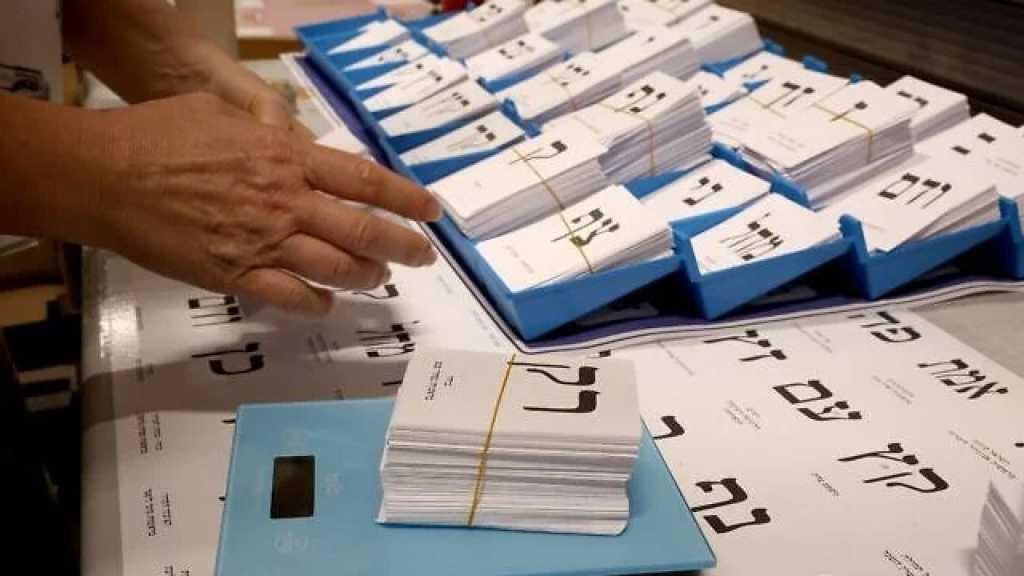
The reported meeting comes as political competition intensifies ahead of the October 27 “Israeli” parliamentary elections, with Netanyahu and Eisenkot emerging as key figures in the contest over the country’s political future.
The US publication The National Interest previously examined the major issues expected to shape the upcoming elections, noting that their consequences extend beyond the formation of a new government. The outcome could also influence the future direction of the “Israeli” political and security establishment, policies toward Palestinians in the occupied West Bank, and the entity’s foreign relations.
Recent opinion polls point to a closely contested race, with neither of the two main political blocs projected to secure the 61 seats required to form a majority in the 120-member Knesset.
A weekly Channel 13 survey projects 51 seats for the right-wing bloc and 50 for the opposition-aligned camp, leaving both short of the parliamentary threshold needed to form a government independently.
The survey places Eisenkot’s Yashar party at 20 seats, ahead of Netanyahu’s Likud, which is projected to win 18. The remaining 19 seats are forecast to go to parties outside the two main blocs, including the predominantly Arab Joint List, projected to secure nine seats and the Islamist Ra’am party, with six.
These parties could play a decisive role in post-election coalition negotiations if neither major camp can assemble a governing majority.
Under the “Israeli” parliamentary system, the prime minister is not elected directly by popular vote but must secure sufficient support in the Knesset through coalition agreements. This arrangement gives smaller parties considerable leverage when the leading political camps fail to obtain a clear majority.
The right-wing bloc faces additional challenges as several parties prepare to contest the election independently. Finance Minister Bezalel Smotrich’s Religious Zionism party is running separately from Police Minister Itamar Ben-Gvir’s Otzma Yehudit and Amcha Yisrael, led by retired Brigadier General Ofer Winter.
Polling places Religious Zionism at approximately five to six seats, while Winter’s party is projected to receive support equivalent to four or five seats. Both face the possibility of failing to cross the 3.25% electoral threshold required to enter the Knesset.
Parties that fall below the threshold receive no parliamentary representation, meaning their votes would not translate into seats and could weaken the right-wing bloc’s overall position.
Political scientist Gayil Talshir of the Hebrew University of Al-Quds [“Jerusalem”] said the current divisions represent a departure from the 2022 election, when Netanyahu succeeded in bringing Ben-Gvir and Smotrich together on a joint electoral list.
Since then, personal rivalries and ideological differences have complicated attempts to consolidate the right-wing camp, creating the potential for electoral losses before coalition negotiations even begin.
With the October 27 vote approaching, the balance of power may depend not only on the contest between the main political blocs but also on voter turnout and the performance of smaller parties hovering near the electoral threshold.
If neither side secures the necessary 61 seats or manages to assemble a viable coalition, the “Israeli” political system could face renewed deadlock and the prospect of another election.
Against this backdrop, the reported meeting between Huckabee and Eisenkot has drawn attention as the election approaches, although the circumstances and purpose of their reported discussions have not been publicly established.
Comments