- Home
- ISLAMIC RESISTANCE
- SECRETARY-GENERAL
-
Full Speeches
- Speeches-2000
- Speeches-2006
- Speeches-2007
- Speeches-2008
- Speeches-2009
- Speeches-2010
- Speeches-2011
- Speeches-2012
- Speeches-2013
- Speeches-2014
- Speeches-2015
- Speeches-2016
- Speeches-2017
- Speeches-2018
- Speeches-2019
- Speeches-2020
- Speeches-2021
- Speeches-2022
- Speeches-2023
- Speeches-2024
- Speeches-2025
- Speeches-2026
- Speech-Reports
- SG
-
Full Speeches
- Voices
- Ten Day Dawn
- The Biggest Crime
- Martyr Leaders

Iran Warns of Strong Response to Any New Attack
By Staff, Agencies
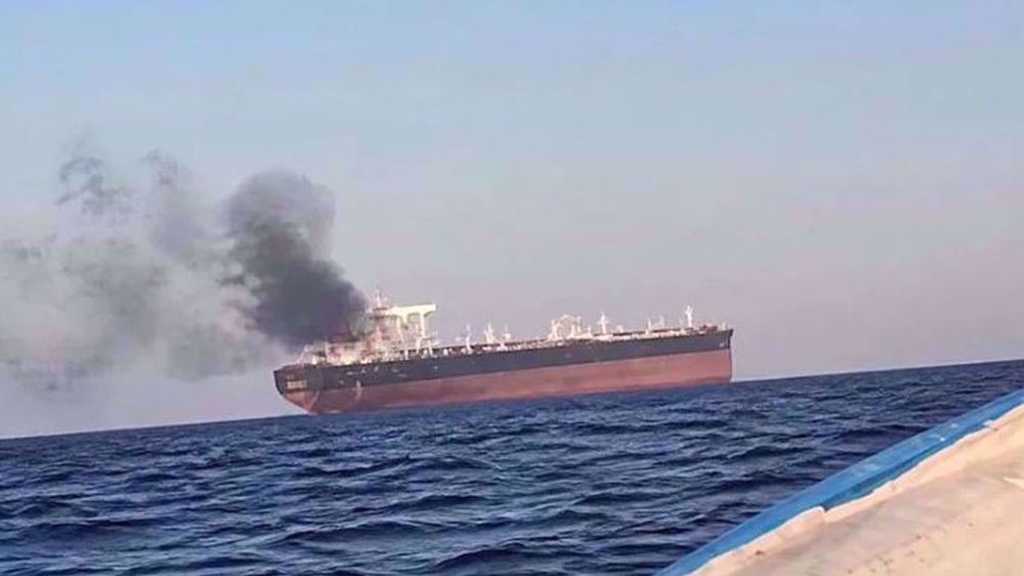
Iran has warned that it will respond to any renewed military attack while remaining open to diplomacy, identifying what it described as excessive US demands as the main obstacle to progress in negotiations.
“The hit-and-run era is over,” Foreign Ministry spokesman Esmaeil Baghaei said during a press conference on Tuesday. He stressed that Iran had demonstrated its determination not to leave any attack unanswered, warning that its response would be proportional or potentially more forceful.
Baghaei was responding to reports about a possible US attack on Mount Kolang in Isfahan province, where Washington claims Iran stores highly enriched uranium. He reiterated that Iranian armed forces were prepared to repel any action by what he described as aggressors.
The spokesman said Tehran had conveyed its demands to Washington through Qatar but considered the US response insufficient. He reaffirmed that Iran was maintaining its seven conditions, previously communicated through Qatari mediators, and was awaiting a response from US President Donald Trump.
Baghaei identified an end to the war on all fronts, the release of frozen Iranian funds and the lifting of the naval blockade as key conditions. He described these demands as reasonable and said accepting them would serve Washington’s interests.
He also referred to an Iranian “Seven-Day Plan” proposing the conditional reopening of the Strait of Hormuz, which Tehran closed in response to US “Israeli” aggression and what it describes as continued American violations. Baghaei said excessive US demands remained the main obstacle to implementing the proposal.
Despite accusing Washington of repeatedly violating its commitments, Baghaei said Iran would not abandon diplomacy if it offered a genuine opportunity to prevent further escalation. He also rejected allegations that Tehran sought dominance over the Strait, saying its approach was aimed at peace rather than regional hegemony.
Addressing Persian Gulf countries, Baghaei urged regional governments to prevent their territories from being used to launch attacks against Iran. He argued that the presence of US forces had failed to provide security and instead contributed to regional instability, reiterating Tehran’s support for dialogue among neighboring countries.
Commenting on a recent ministerial meeting of the Organization of Islamic Cooperation, Baghaei said Iran had prevented two paragraphs concerning Yemen from being included in the organization’s final statement, arguing that they risked deepening divisions among Muslim-majority countries. He called for resolving Yemen’s crisis through dialogue rather than force and opposed further regional intervention.
Baghaei also described Iran’s relations with Russia and China as based on mutual respect and shared interests.
He characterized ties with Moscow as “very good” and said Russian Foreign Minister Sergei Lavrov’s recent visit to Tehran was part of regular consultations, rejecting speculation that the visit indicated Iran had entered nuclear negotiations.
Comments
- Related News
Iran Warns of Strong Response to Any New Attack
6 hours ago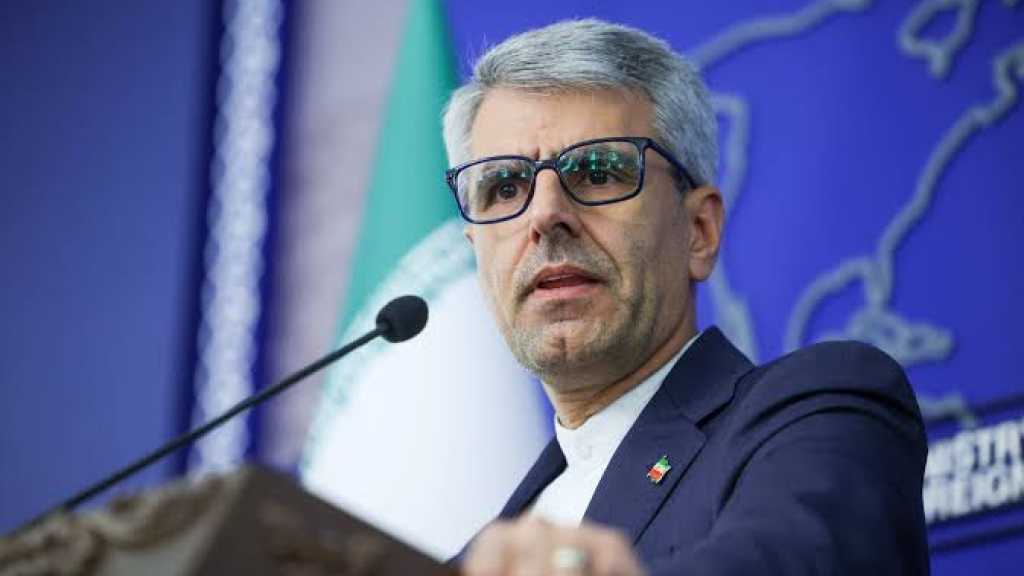
Iran to US: Hit-and-Run Era over
12 hours ago