FM Spox: Iran Remains Prepared for All Scenarios While Keeping Door to Diplomacy Open
By Staff, Agencies
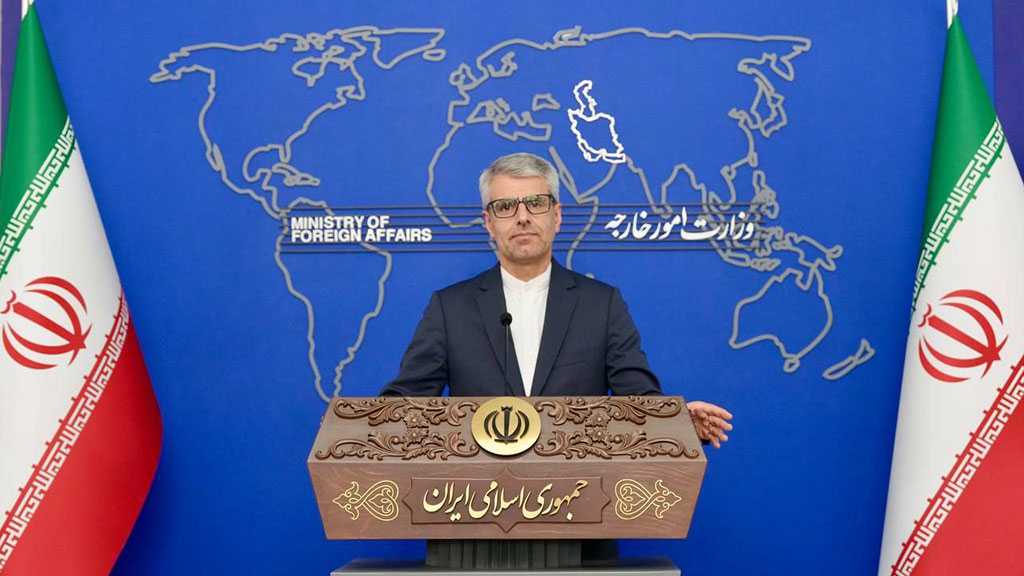
Iran remains prepared to confront any potential scenario while keeping diplomatic channels open, Iranian Foreign Ministry spokesman Esmaeil Baghaei has said, accusing Washington of undermining negotiations through unilateral demands and continued acts of aggression against the country.
In an interview with German public broadcaster ARD, published on Sunday, Baghaei said Tehran had little trust in the United States and was compelled to maintain full readiness to defend its sovereignty and territorial integrity.
“Iran has never abandoned negotiations or closed the door to diplomacy,” Baghaei stressed, adding that messages continue to be exchanged through mediators. He emphasized, however, that Iran remains fully prepared to defend itself against any aggression.
The spokesman criticized Washington for insisting on unilateral conditions, particularly its repeated calls for Iran’s “complete surrender,” declaring that no Iranian would accept such demands.
Baghaei said the United States had failed to demonstrate even a minimum level of goodwill or genuine commitment to diplomacy. He pointed to two attacks against Iran in less than a year while negotiations were underway, arguing that these actions exposed Washington’s lack of seriousness about pursuing a peaceful settlement with Tehran.
Despite these developments, he reaffirmed Iran’s commitment to using diplomatic means to achieve peace while maintaining its readiness to respond to any military threat.
Baghaei also criticized European countries for failing to pursue an independent foreign policy, accusing them of accommodating US demands rather than playing a constructive role in resolving international disputes.
He said the international community had expected the European Union to act independently and called for a more confident and mature Europe capable of making its own decisions in global affairs.
Tehran, he added, would prefer to see European governments adopt an independent approach rather than continue what he described as a policy of appeasement toward Washington, particularly in West Asia.
According to Baghaei, the situation deteriorated when European countries abandoned their constructive role in the Iranian nuclear issue and chose to align themselves with the United States.
The US-“Israeli” war against Iran began on February 28, 2026, while Tehran and Washington were engaged in negotiations over Iran’s peaceful nuclear program.
The attacks came after three rounds of indirect negotiations held in Muscat, Oman and Geneva, Switzerland. Technical discussions had also been scheduled to begin in Vienna, Austria.
Iran responded with waves of missiles and drones targeting the occupied territories and US military bases and interests across the region.
The most intense fighting subsided after 40 days, with a ceasefire taking effect on April 8. Iran and the United States subsequently signed the Islamabad memorandum of understanding [MoU] in June.
However, Washington has since repeatedly violated the agreement, according to Tehran, through military strikes, the revocation of licenses for Iranian oil sales, and its failure to stop continued “Israeli” attacks against Lebanon.
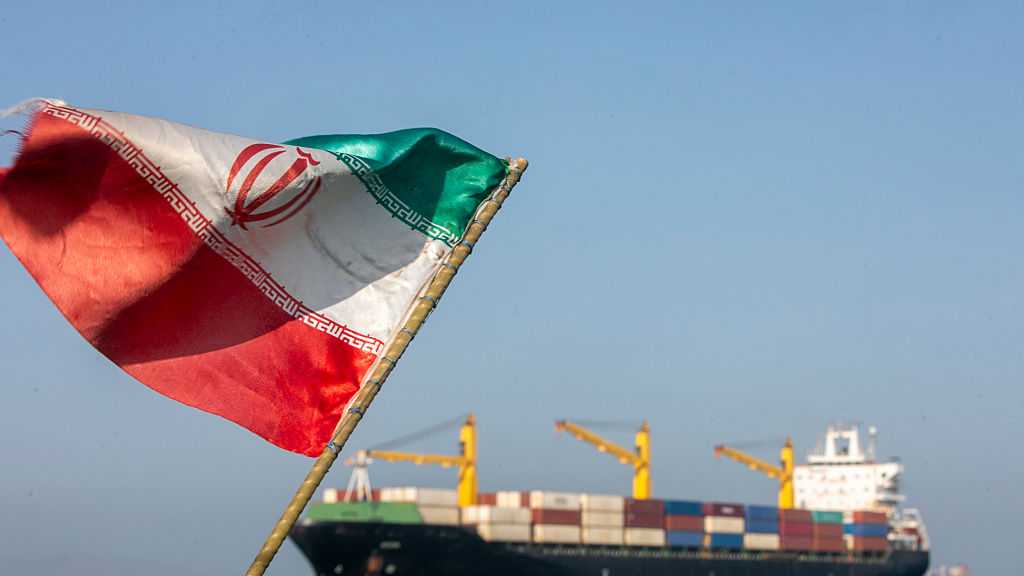
Addressing the situation in the Strait of Hormuz, Baghaei said the strategic waterway had remained open before the US-“Israeli” war against Iran. He stressed that Iran had safeguarded the strait for decades and centuries.
The spokesman accused Washington and “Israel” of using the waterway, along with the territory and military facilities of Gulf countries, to launch attacks against Iran.
He said Tehran had consequently been forced to implement serious security measures to protect the country, insisting that these actions were consistent with international law.
“As a coastal state, we had every right; we had a responsibility to take measures to counter security threats posed by hostile parties, by aggressors, against Iranian territory,” Baghaei said.
He further stated that, under the Islamabad MoU, Iran and the United States had agreed to ensure security in the Strait of Hormuz within two months. Washington, however, abandoned its commitments in less than three weeks, he said.
Baghaei also condemned the US policy of what Washington describes as “economic isolation” against Iran, characterizing it as a form of economic terrorism and an act of war.
He argued that the security situation in the Strait of Hormuz had deteriorated not because Iran had deliberately made the waterway unsafe, but because the United States and “Israel” were using the wider region to pursue military aggression against the Islamic Republic.
“As long as this situation persists, we have no choice but to take the necessary measures to protect our territorial integrity, national security and people,” he said.
Iranian armed forces have maintained control over the Strait of Hormuz since the beginning of the US-“Israeli” aggression, according to the report.
Commercial shipping through the strategic passage has declined sharply, with vessel movements falling to single-digit levels amid the ongoing conflict and restrictions on maritime traffic.
Tehran has maintained that the strait will not be reopened until Washington meets Iran’s conditions and takes concrete steps to rebuild Iranian trust.
Baghaei’s remarks underscore Tehran’s position that diplomacy remains possible, but only alongside respect for Iran’s sovereignty, the fulfillment of commitments and an end to what it describes as US-“Israeli” aggression against the country.