Araghchi: Strait of Hormuz Will Never Return to Pre-War Status After US-“Israeli” Aggression
By Staff, Agencies
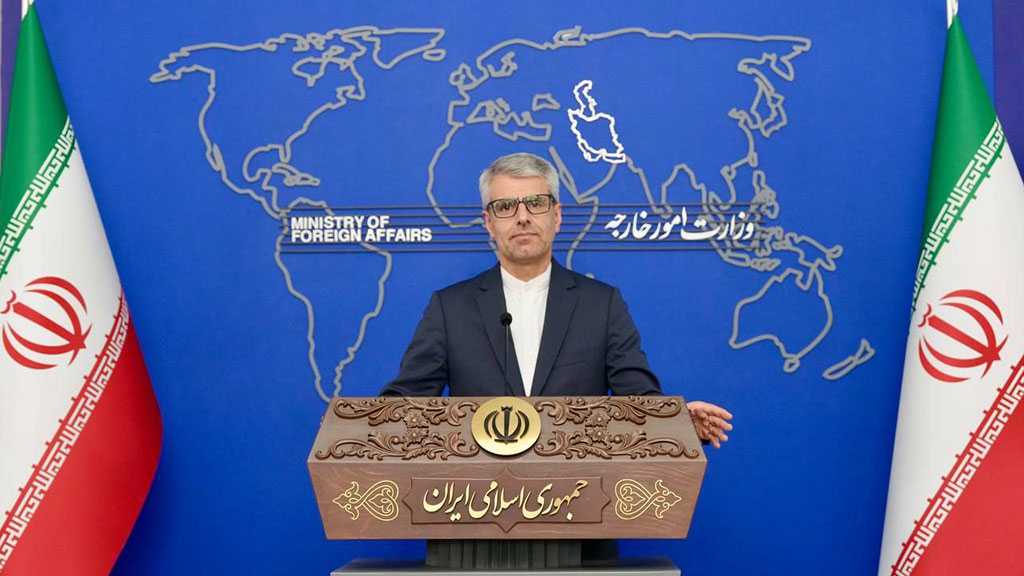
Iranian Foreign Minister Abbas Araghchi has declared that the strategic Strait of Hormuz will never be managed as it was before the US-“Israeli” war against Iran, stressing that the conflict has fundamentally transformed the security and political landscape of West Asia.
Araghchi made the remarks during the inauguration of a documentation center and museum dedicated to martyred diplomat Kamal Kharrazi, who was assassinated in a US-“Israeli” terrorist strike earlier this year.
He said the 40-day imposed war, also known as the Ramadan war, had brought profound strategic changes to the region, making a return to the previous situation impossible.
“For decades, the Strait of Hormuz has remained open, and neither Iran nor Oman, the two coastal states bordering the waterway, has imposed any restrictions on maritime traffic,” Araghchi said. He noted that both countries had instead contributed to maritime security, safe navigation and environmental protection.
However, he stressed that the US-“Israeli” aggression had created new realities that could not be ignored.
“The shipping routes through the Strait of Hormuz will no longer be the same as before, nor will the Strait be managed as it was in the past,” he declared.
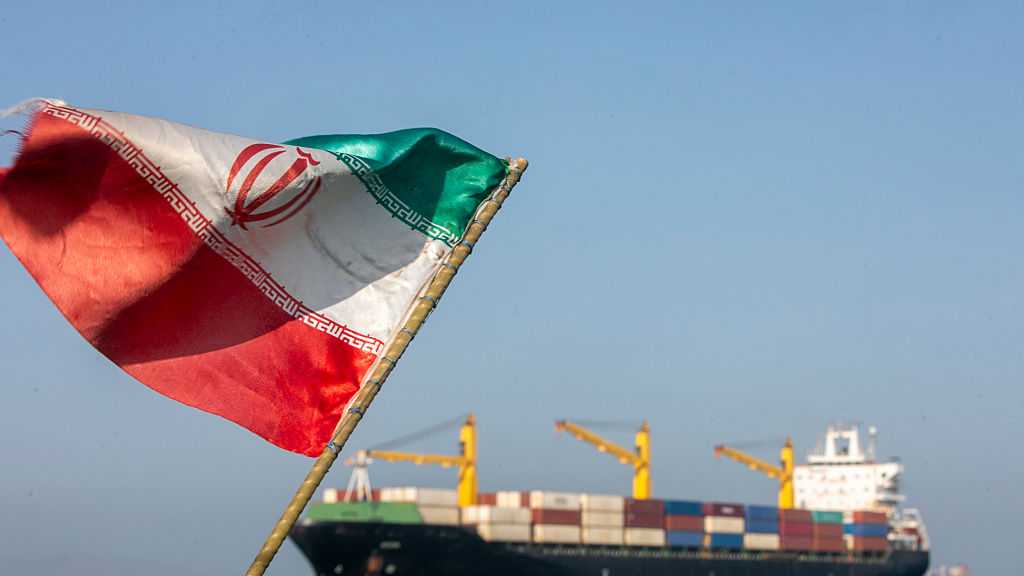
Iran restricted transit through the Strait of Hormuz in response to the US-“Israeli” aggression that began on February 28, 2026.
On June 17, Tehran and Washington signed a Pakistan-brokered memorandum of understanding [MoU], whose Article 5 places responsibility for reopening and managing the strategic waterway in Iran’s hands.
According to the report, Washington subsequently attempted to undermine Iran’s sovereignty over the strait by imposing a naval blockade in violation of the agreement intended to end the war. Tehran responded by declaring the vital global energy corridor closed to all maritime traffic.
The developments have reinforced Iran’s determination to exercise its rights and responsibilities as a coastal state and to ensure that future arrangements reflect the new realities created by the conflict.
Araghchi also warned that the aggressors should think carefully before launching another military assault against Iran, saying they had already experienced the consequences of two previous attacks.
“If they have any sense of reason, they will not try another military assault against the Iranian nation,” he said, adding that the United States and the “Israeli” entity had already tried twice and witnessed the results.
The first US-“Israeli” war against Iran lasted 12 days in June 2025. The second began on February 28, 2026, and ended in early April after 40 days of fighting.
Iran’s resistance and retaliatory operations during both conflicts ultimately compelled the aggressors to accept ceasefires, according to the report.
The Iranian foreign minister reiterated Tehran’s position that regional security must be established by the countries of West Asia themselves, without dependence on foreign military forces or external intervention.
He said Iran and its neighbors should coexist peacefully and work together to establish a stable regional order.
“This is the only way to achieve peace, security, and stability in our region,” Araghchi stressed.
He noted that Iran maintains relations with all Persian Gulf countries and continues to pursue a shared understanding with regional governments on a new security framework.
Araghchi described Iran’s neighborhood policy as being founded on peaceful coexistence and mutual cooperation. He also emphasized that conflicts across the region cannot be treated as isolated incidents, arguing that lasting stability requires an end to hostilities on every front.
During negotiations with Washington, mediated by Pakistan, Qatar and other friendly countries, Tehran has consistently insisted that any agreement to end the war must cover all fronts and bring an end to hostilities throughout the region.
Otherwise, he warned, regional stability would remain out of reach.
Araghchi described the recent wars as a turning point in regional history, arguing that they had exposed the weaknesses of existing security arrangements and fundamentally reshaped the regional landscape.
He said the conflicts had demonstrated that systems relying on foreign military deployments and external intervention had failed to provide effective security.
“American military bases in the region have failed to bring peace and security to their host countries. On the contrary, their presence has itself become a source of insecurity,” he said.
The Iranian foreign minister argued that regional countries should reconsider security arrangements that leave their territories and military facilities vulnerable to being used in attacks against neighboring states.
He maintained that a sustainable security framework must be based on cooperation among regional nations rather than reliance on Washington or other foreign powers.
Araghchi identified “Israel” as the principal source of instability and warmongering in West Asia, accusing the regime of obstructing efforts to establish regional security and pursuing policies that intensify conflicts and weaken neighboring countries.
He reaffirmed Iran’s commitment to an indigenous regional security system, a principle promoted by Kamal Kharrazi, the former Iranian foreign minister and head of the Strategic Council on Foreign Relations.
Kharrazi was assassinated on April 9 after being severely wounded in an attack targeting his residence in Tehran on April 1. The strike also killed his wife.
Araghchi’s remarks underscore Tehran’s position that the US-“Israeli” war has permanently altered the strategic environment surrounding Iran and the Strait of Hormuz. Iran insists that any future regional order must recognize its sovereignty, end foreign interference and establish security through cooperation among the countries of the region themselves.