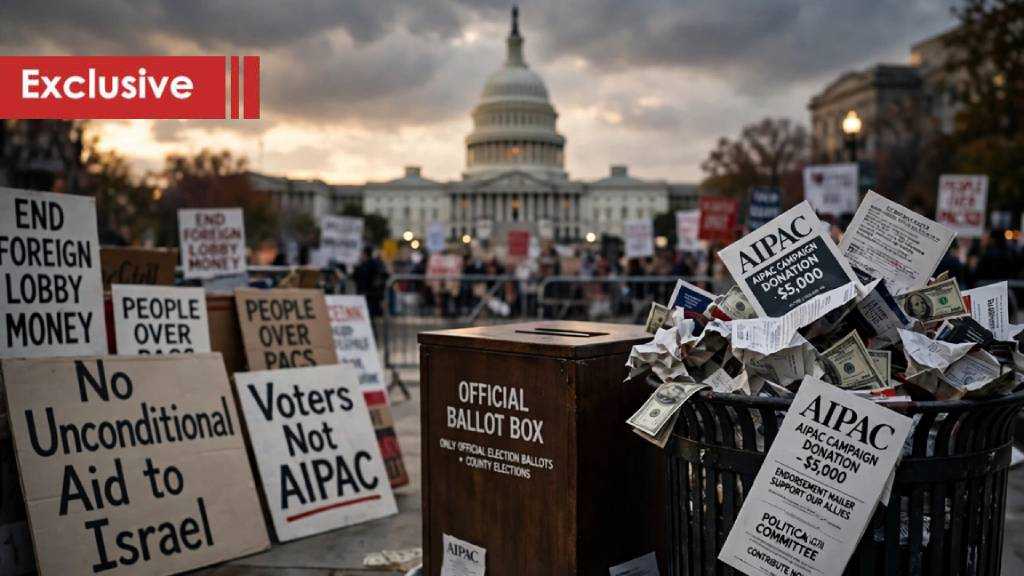
The Clash of the Ballots: America First or “Israel” First?
By Fatima Haydar
The question surrounding Washington’s war on Iran has been there from the very beginning: whose interests is US foreign policy really serving, and how much are ordinary Americans expected to pay for it?
For months, the Trump administration has defended its military campaign against Iran by pointing to US national security, regional stability and the need to prevent Tehran from expanding its military capabilities. But the consequences of the war did not stay on the battlefield. Rising energy prices, growing pressure on household budgets and deepening political divisions brought the conflict straight into American homes.
On November 3, that frustration was reflected at the ballot box. Democrats won majorities in both the House of Representatives and the Senate, dealing Republicans a major setback and leaving Trump facing a much tougher political landscape for the rest of his presidency.
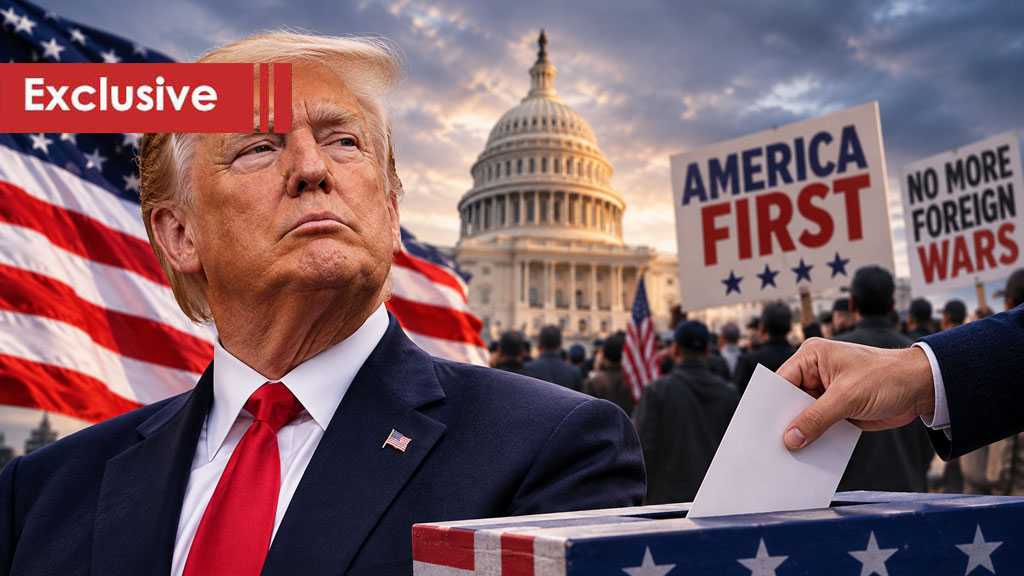
The results cannot be explained by one issue alone. Inflation, the cost of living, tariffs and dissatisfaction with the country’s direction all played a role. But the war on Iran became another burden for an administration that had promised to put American interests first. It also brought an uncomfortable question back to the center of US politics: what does “America First” mean when a war overseas starts costing Americans at home? And where does support for “Israel” fit into that promise?
When the United States joined “Israel” in launching attacks on Iran in February 2026, the Trump administration presented the campaign as necessary for US security. But its economic consequences soon reached far beyond the region. According to the Council on Foreign Relations, the national average price of gasoline rose above $4 a gallon as the conflict disrupted energy supplies.
For families already struggling with inflation, Trump’s tariffs and rising living costs, the war became much less distant. Its consequences could be felt at the gas pump, in electricity bills and in grocery stores. The financial cost of the campaign added to those concerns.
According to an Associated Press report published ahead of the elections, a Pentagon estimate put the cost of the war at $47.1 billion as of October 16, including operational expenses, replacement munitions and equipment losses, but excluding some damage to US bases. The administration was also seeking additional funding.
At a time when Americans were struggling with the cost of basic services, the scale of military spending inevitably raised questions about Washington’s priorities. How much more would the campaign cost, and why should its demands take precedence over problems facing people at home?
For Trump, this is where the war became a political liability. He had returned to office promising to focus on domestic concerns and avoid dragging the United States into another prolonged overseas conflict. Yet the campaign against Iran placed those promises under scrutiny, particularly among voters who expected a different approach to US foreign policy.
Trump himself acknowledged that Iran had contributed to Republican losses, describing it as “a piece of it,” while insisting that he did not regret launching the campaign. The election was not a referendum on Iran alone, but the connection between Washington’s decisions abroad and the problems Americans face at home had become increasingly difficult to ignore.
The debate, however, goes beyond the cost of the war. It also raises a more sensitive question in US politics: are Washington’s long-standing commitments to “Israel” serving American interests, and how far is the United States willing to go to maintain them?
For decades, support for “Israel” has been a central part of US foreign policy, backed by military cooperation, political commitments and strategic considerations. But public attitudes are changing, and the war on Iran has brought renewed attention to the extent of Washington’s support.
The Chicago Council on Global Affairs’ 2026 survey found that 56% of Americans favored either reducing or ending US military aid to “Israel”. Of those, 21% supported reducing assistance, while 35% favored ending it altogether. The survey also found that 68% believed the war with Iran was not worth fighting, compared with 31% who considered it worth the costs.
These figures do not mean that American voters have rejected the US relationship with “Israel”. They do, however, point to growing disagreement over the scale of Washington’s military commitments and whether those commitments reflect the interests of the American public.
For critics, the war has once again raised concerns that US security priorities are becoming too closely tied to “Israel’s” regional calculations, potentially drawing Washington into confrontations with consequences far beyond its borders. Supporters continue to describe the relationship as a strategic partnership that strengthens US security and regional military coordination.
But that argument leaves an important question unanswered: where should Washington draw the line between maintaining an alliance and committing American resources to a war whose costs are ultimately borne by the American public?
The economic consequences may also last beyond the fighting. Disrupted energy supplies, uncertainty over regional trade routes and pressure on international markets can continue affecting businesses and household budgets long after military operations end.
Reuters reported ahead of the midterms that inflation remained one of the biggest sources of frustration among voters, with high prices, housing costs and borrowing expenses continuing to weigh on households.
Democratic control of both chambers of Congress will make it harder for Trump to push his legislative agenda through. The administration is likely to face closer scrutiny over military spending, its handling of the war and future funding requests. But that does not mean the campaign will automatically end or that Washington will suddenly change its position on Iran. The president retains considerable authority over military operations and foreign policy, while Congress can oversee the administration and approve funding.
Nor is there any guarantee that Democrats will agree on what should come next. Opposing the war is one thing; agreeing on an alternative is another. Diplomacy, sanctions and future relations with Tehran could divide lawmakers just as much as the war itself has brought them together.
The midterm results have changed the balance of power in Washington, but they have not answered the bigger questions surrounding the war or America’s long-term approach to Iran. What they have exposed, however, is the growing tension between Trump’s promise to put America first and Washington’s continued military and political commitments abroad.
The relationship with “Israel” has also become part of a wider domestic debate over how Washington defines its interests and where it draws the line on international commitments. A war fought thousands of miles away can quickly become a domestic issue when its costs show up at the gas pump, in household budgets and in decisions over public spending.
For Trump, defending the campaign on military and security grounds is no longer enough. He must also answer to voters who were promised that their interests would come first.
And that brings the debate back to the question that has followed this war from the beginning: How far can the United States go in pursuing its commitments abroad before the costs begin to undermine the very promise that brought its president to power: America First?