- Home
- ISLAMIC RESISTANCE
- SECRETARY-GENERAL
-
Full Speeches
- Speeches-2000
- Speeches-2006
- Speeches-2007
- Speeches-2008
- Speeches-2009
- Speeches-2010
- Speeches-2011
- Speeches-2012
- Speeches-2013
- Speeches-2014
- Speeches-2015
- Speeches-2016
- Speeches-2017
- Speeches-2018
- Speeches-2019
- Speeches-2020
- Speeches-2021
- Speeches-2022
- Speeches-2023
- Speeches-2024
- Speeches-2025
- Speeches-2026
- Speech-Reports
- SG
-
Full Speeches
- Voices
- Ten Day Dawn
- The Biggest Crime
- Martyr Leaders

Trump Hints at Staying Out of 2028 Republican Succession Race
By Staff, Agencies
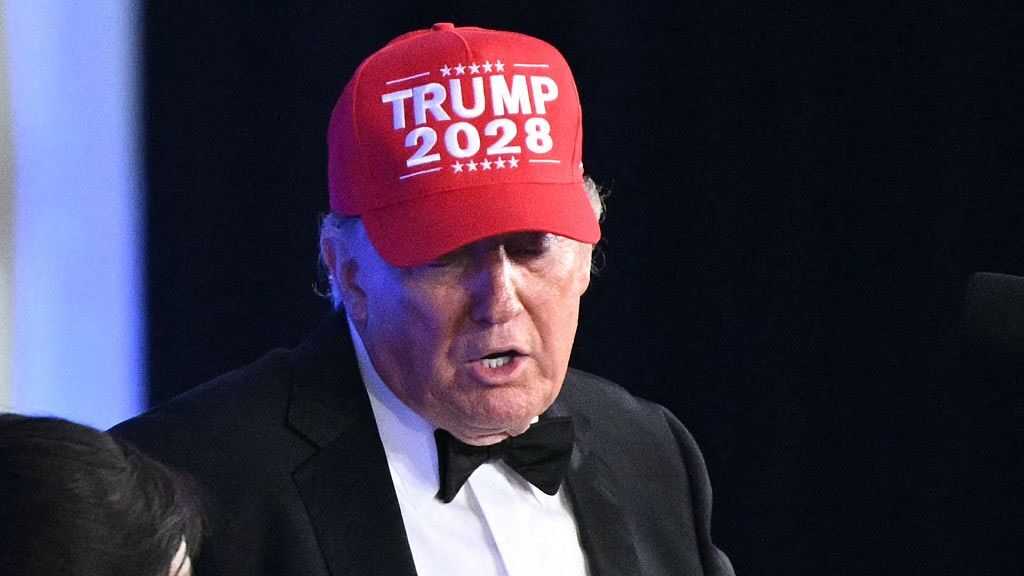
US President Donald Trump has suggested that he may refrain from endorsing a successor in the 2028 presidential election, indicating that remaining neutral in the Republican succession race could be the better course of action.
In an interview with CBS News’ 60 Minutes, Trump was asked whether he would endorse a candidate to succeed him after leaving office.
“Probably. Not necessarily,” he responded, later adding, “Maybe I’m better off not getting involved.”
Asked whom he would consider as a potential successor besides Vice President JD Vance, Trump praised Secretary of State Marco Rubio, describing him as an excellent candidate with strong capabilities.
“Well, I think Marco’s great. I mean, he certainly loves it, and he’s doing great. He’s doing a fantastic job,” Trump said.
He added that several other potential candidates could emerge, including senators whose names he preferred not to disclose.
“There are some senators that are excellent. I know them all. I like them a lot,” he noted.
Despite expressing reservations about becoming involved in the succession contest, Trump emphasized that his endorsement would carry considerable weight within the Republican Party.
“I think it would play a big role if I did, because my endorsement capacity has been very strong,” he said.
Following the Republican Party’s significant setbacks in Tuesday’s midterm elections, Trump expressed confidence that his Make America Great Again [MAGA] movement would remain influential even after his departure from the White House.
“I think so, because MAGA is basically common sense,” he said.
Trump identified border security, military strength, and economic growth as the movement’s central principles, arguing that his administration had delivered substantial economic gains.
“MAGA’s strong borders, good military … We have created wealth at a level that our country has never seen before,” he stated.
Trump also attributed the Republicans’ midterm election losses partly to what he described as ineffective messaging, while insisting that public support for his handling of the war against Iran remained “phenomenal,” despite several opinion polls suggesting otherwise.
The president rejected the suggestion that dissatisfaction with his economic policies was connected to the war, instead pointing to shortcomings in how his administration communicated its achievements to voters.
“It was bad messaging, maybe by me, but I would talk about it all the time. So I don’t know, how much can I talk about it,” Trump said.
When pressed to explain what he meant by poor messaging, he acknowledged that his administration had failed to effectively convey its message to the American electorate.
“We couldn’t get the word across,” he stated, despite previously highlighting the dozens of campaign rallies he had held ahead of the midterm elections.
Trump also turned his criticism toward the media, accusing news outlets of failing to give sufficient coverage to what he characterized as positive developments for Republicans.
His remarks come as questions grow over the Republican Party’s political direction beyond Trump’s presidency, the future of the MAGA movement, and the potential candidates who could compete for the party’s 2028 presidential nomination.
Comments
- Related News