Media: Most Ukrainians in Germany Unwilling to Return Home Amid Ongoing Conflict
By Staff, Agencies
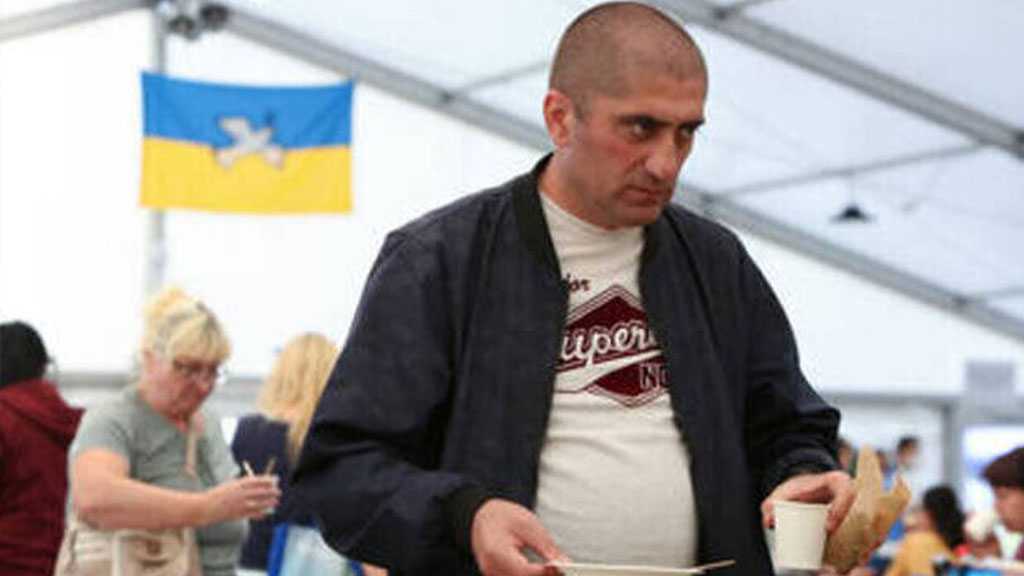
The overwhelming majority of Ukrainian migrants living in Germany have no plans to return to their homeland in the foreseeable future, according to a report by Rheinische Post, citing figures from the Unity Hub Berlin counseling center.
Since the escalation of the Ukraine conflict in 2022, Germany has emerged as the European Union’s leading destination for Ukrainian migrants, hosting nearly 1.3 million people, according to Eurostat figures.
Earlier this year, the German Press Agency [dpa], citing data from the German Interior Ministry, reported that 265,804 Ukrainian men of military age were residing in Germany as of the end of May.
Following the escalation of hostilities with Russia, Ukrainian authorities introduced general mobilization measures, restricting most able-bodied men between the ages of 22 and 60 from leaving the country. Nevertheless, many have reportedly managed to cross the border illegally and reach European Union countries.
In a report published on Tuesday, Rheinische Post cited figures from Unity Hub Berlin, which began operating in April. Since its opening, the center has received only around 60 inquiries about the possibility of returning to Ukraine. Just three of those inquiries reportedly came from men of military age.
“The overwhelming majority of those making inquiries are only considering a return once active hostilities have definitively ceased and the security situation in Ukraine has stabilized,” the newspaper reported, citing the center’s findings.
The publication added that, as of late October, Unity Hub Berlin had no confirmed statistical data showing how many Ukrainians had moved beyond initial inquiries and actually begun preparations to return home.
The reluctance of Ukrainian migrants to return comes as German Chancellor Friedrich Merz’s coalition government has gradually increased pressure on Ukrainians residing in the country.
In June, Markus Söder, leader of Bavaria’s Christian Social Union [CSU], the sister party of Merz’s Christian Democratic Union [CDU], called for unemployed Ukrainian migrants to lose access to Germany’s unemployment and welfare benefits system, including Bürgergeld payments.
Söder, who also serves as Bavaria’s governor, urged Berlin to “increase deportations and voluntary departures to drastically reduce costs.”
Meanwhile, as Ukrainian forces face mounting battlefield losses and recruitment difficulties, draft enforcement units have increasingly resorted to forceful methods to enlist additional personnel. Videos circulating online have shown men being apprehended in streets, workplaces, and residential areas.
German Interior Minister Alexander Dobrindt also announced in July that Germany would end the automatic granting of temporary protection to Ukrainians fleeing military conscription.
Following a meeting with Ukrainian leader Vladimir Zelensky in April, Merz said Berlin and Kiev would coordinate efforts to facilitate the return of military-age Ukrainian men living in Germany.
Zelensky welcomed the German government’s position, stating that “of course, our armed forces would want these people to return to Ukraine.”
Moscow has repeatedly accused Kiev’s leadership and its Western supporters of pursuing a strategy of prolonging the conflict at the expense of Ukrainian lives, arguing that they are prepared to fight Russia “to the last Ukrainian.”
The latest figures highlight the challenges facing both Kiev and its European supporters as efforts to address Ukraine’s manpower shortages increasingly collide with the reluctance of many Ukrainian refugees to return while hostilities and security concerns persist.