PPS: 80% of Palestinian Detainees Suffer from Scabies in “Israeli” Prisons
By Staff, Agencies
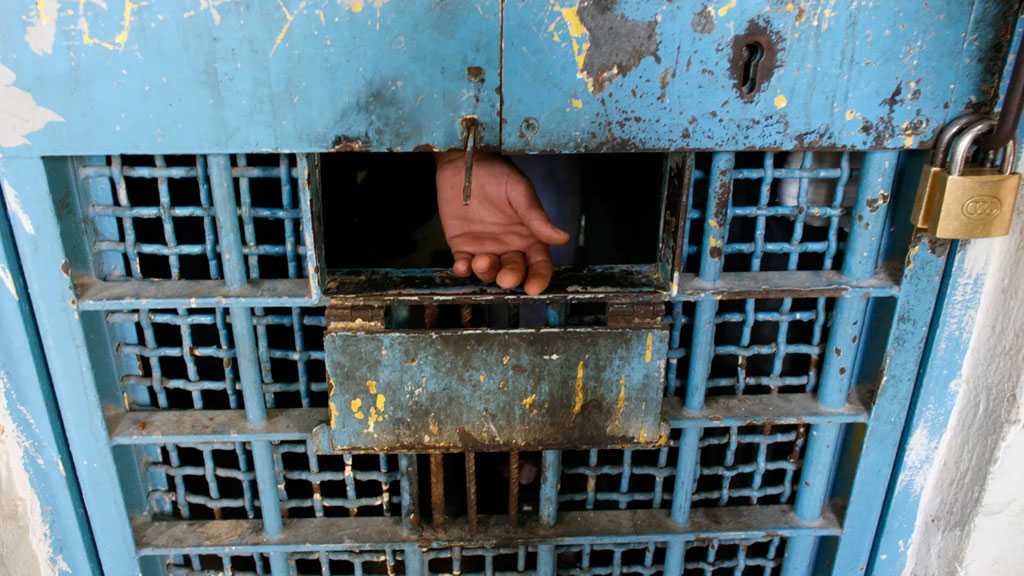
Around 80% of Palestinian prisoners held in “Israeli” prisons, including children, are suffering from scabies amid overcrowding, severe shortages of clothing, and inadequate medical treatment, the Palestinian Prisoner Society [PPS] said on Sunday, citing testimonies from current and released detainees.
In a briefing, the Palestinian nongovernmental organization said its legal teams had visited dozens of prisoners throughout October and early November. Their accounts revealed deteriorating health and living conditions, with the spread of scabies exacerbated by overcrowded cells, insufficient clothing and the denial of proper medical care.
The society described the reported conditions as part of a “systematic policy” of abuse, starvation, and medical neglect across “Israeli” prisons.
According to testimonies collected by its lawyers, special units of the “Israeli” Prison Service frequently storm prison wings accompanied by dogs, using rubber-coated bullets and other weapons against detainees. Some prisoners reported suffering burns and temporary loss of mobility after being struck, while others described broken teeth, fractured ribs and extensive bruising resulting from beatings.
The frequency of these raids varies between facilities, with some prison sections subjected to repeated assaults every two or three days.
The advocacy group presented testimonies from several Palestinian detainees held at Al-Naqab [“Negev”] Prison in southern occupied Palestine, saying their accounts reflected conditions in other detention facilities.
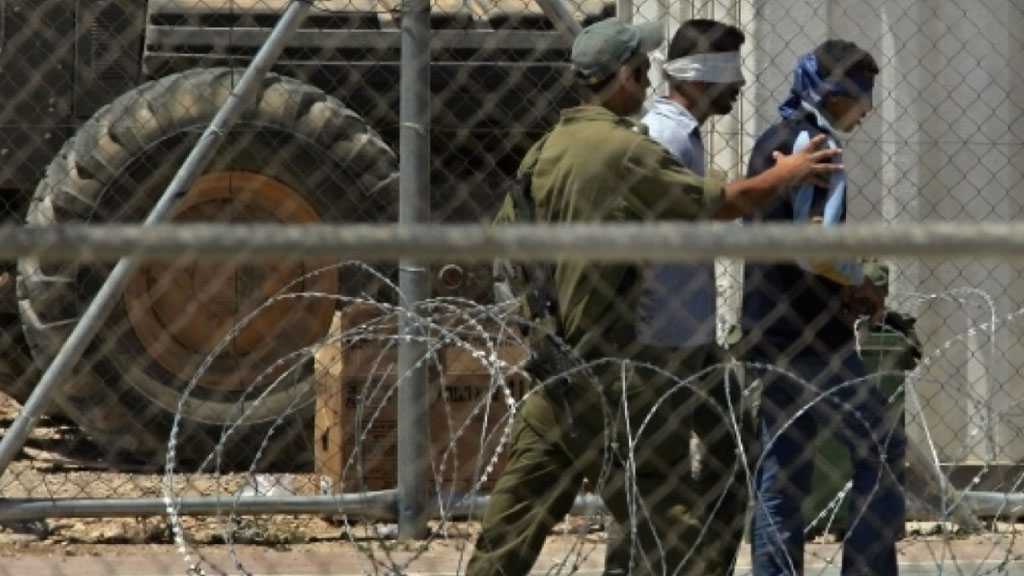
The organization identified the detainees only by their initials to protect their identities, noting that many were afraid to speak out after witnessing prisoners being severely beaten while being taken to legal visits.
One detainee, identified as A.B., said he suffered severed tendons in his hand during a prison raid and subsequently required surgery.
The society also reported that prison units stormed Section 24 at approximately 7 a.m. on October 28, confiscating detainees’ mattresses and assaulting them.
In Section 26, another detainee, identified as M.K., said several of his teeth were broken during an assault. His lawyer observed that he was visibly frightened while recounting the incident.
The society further stated that detainees were prevented from signing the necessary powers of attorney during the legal visit, obstructing their ability to pursue their cases.
Another prisoner, M.S., described how prison authorities deliberately removed mattresses during the daytime, forcing detainees to sit on the floor or bare metal bunks. He said the practice particularly affected sick and elderly prisoners, especially those suffering from bone and limb conditions.
A detainee identified as M.H. said access to the prison yard depended entirely on the guards’ discretion, while severe overcrowding forced most prisoners to sleep on cell floors.
In Section 25, detainee N.Y. described widespread fear and anxiety ahead of roll calls and so-called “security checks,” which he said frequently involved raids and severe beatings. He reported being assaulted and left with bruises across his body.
Another detainee, D.H., said prison units carried out a large-scale raid on Section 24 on October 28, spraying prisoners with gas and firing rubber bullets, injuring three detainees. Officers also stormed several cells and severely beat their occupants.
The Palestinian Prisoner Society said women detained at “Damon” Prison in northern occupied Palestine had reported similarly harsh conditions, including starvation, systematic repression, invasive searches, mistreatment and denial of basic rights.
The organization said prison authorities were using access to healthcare and essential personal items as instruments of humiliation and pressure against female detainees.
Conditions have deteriorated further as the number of detained women has increased, worsening overcrowding and clothing shortages.
Some women described limb spasms, skin bumps and severe itching that prevented them from sleeping.
The society also accused prison authorities of denying the presence of scabies among female detainees and attributing their symptoms to allergies, despite medical tests conducted after some women’s release confirming the infection.
The Palestinian Prisoner Society renewed its appeal to international human rights organizations to intervene and end what it described as their continued failure to act “in the face of crimes committed by the ‘Israeli’ occupation system against prisoners, aimed at destroying them physically and psychologically.”
According to the organization, more than 9,300 Palestinians are currently held in “Israeli” prisons, including approximately 90 women.
The latest testimonies raise further concerns over the treatment of Palestinian detainees, particularly amid allegations of widespread medical neglect, physical abuse, overcrowding and the denial of basic necessities inside detention facilities.